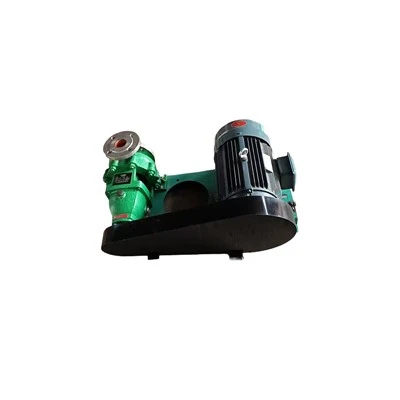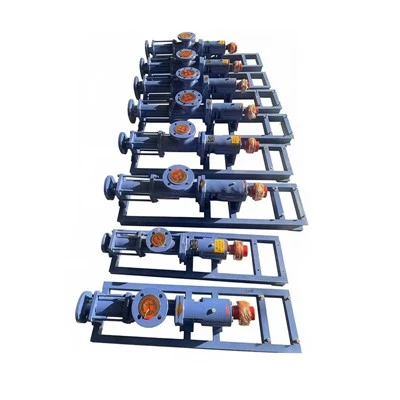
A paint transfer gear pump is a crucial device in the paint industry, designed to transfer paint from one location to another efficiently and precisely. As a paint transfer gear pump supplier, I am often asked about the working principle of these pumps. In this blog post, I will delve into the details of how a paint transfer gear pump works, its key components, and the benefits it offers.
Key Components of a Paint Transfer Gear Pump
Before we discuss the working principle, let's take a look at the main components of a paint transfer gear pump. These typically include:
- Gears: The heart of the pump, gears are responsible for creating the pumping action. Most paint transfer gear pumps have two gears - a drive gear and a driven gear. These gears mesh together precisely to ensure smooth operation.
- Housing: The housing encases the gears and provides a sealed chamber for the paint. It is designed to withstand the pressure generated by the pump and prevent leaks.
- Inlet and Outlet Ports: The inlet port is where the paint enters the pump, while the outlet port is where it is discharged. These ports are strategically located to facilitate the flow of paint through the pump.
- Shaft: The shaft connects the drive gear to the motor, transmitting the rotational power from the motor to the gears.
Working Principle
The working principle of a paint transfer gear pump is based on the displacement of fluid by the rotation of gears. Here is a step-by-step explanation of how it works:
- Suction Phase: When the pump is started, the motor rotates the drive gear, which in turn drives the driven gear. As the gears rotate, they create a void at the inlet port. This void causes a pressure difference between the inlet and the outlet of the pump. The paint, which is at atmospheric pressure or under some pressure in the paint container, is then forced into the pump through the inlet port to fill the void.
- Fluid Trapping: As the paint enters the pump, it gets trapped in the spaces between the gear teeth and the pump housing. The close meshing of the gears ensures that there is minimal leakage back to the inlet side.
- Transfer Phase: As the gears continue to rotate, the trapped paint is carried around the periphery of the pump housing from the inlet side to the outlet side. The rotation of the gears maintains a continuous flow of paint through the pump.
- Discharge Phase: When the trapped paint reaches the outlet port, the meshing of the gears forces the paint out of the pump. The pressure at the outlet port is higher than at the inlet port, which allows the paint to be transferred to the desired location, such as a spray gun or a storage tank.
Advantages of Paint Transfer Gear Pumps
Paint transfer gear pumps offer several advantages that make them a popular choice in the paint industry:
- Precise Flow Control: Gear pumps can provide a consistent and precise flow rate, which is essential for applications where accurate paint transfer is required.
- High Viscosity Handling: They are capable of handling paints with high viscosities. This makes them suitable for transferring thick paints and coatings that other types of pumps may struggle with. Check out our High Viscosity Gear Pump for more details.
- Self-Priming: Paint transfer gear pumps are self-priming, which means they can create a vacuum to draw paint into the pump without the need for additional priming devices.
- Durability: With their simple design and robust construction, gear pumps are highly durable and can withstand the harsh conditions often found in paint manufacturing and application environments.
Applications of Paint Transfer Gear Pumps
Paint transfer gear pumps are used in a variety of applications within the paint industry, including:
- Paint Manufacturing: In paint production plants, gear pumps are used to transfer raw materials such as pigments, binders, and solvents from storage tanks to mixing vessels.
- Automotive Painting: They are used to transfer paint from paint supply systems to spray guns in automotive assembly lines.
- Industrial Coating: Gear pumps play a crucial role in industrial coating processes, where they are used to apply protective coatings to various products and surfaces.
Different Types of Gear Pumps for Paint Transfer
There are several types of gear pumps available for paint transfer, each with its own unique features and applications. Some of the common types include:
- High Temperature Gear Pump: Designed to handle paints and coatings that require high temperatures for processing. These pumps are made from materials that can withstand elevated temperatures. You can learn more about our High Temperature Gear Pump.
- KCB Gear Pump: A popular type of gear pump that is known for its simplicity, reliability, and cost-effectiveness. Check out our KCB Gear Pump for details.
- Bronze Gear Pump: Made from bronze material, these pumps are corrosion-resistant and suitable for handling corrosive paints and solvents. Explore our Bronze Gear Pump.
- Explosion Proof Gear Pump: Designed for use in hazardous environments where there is a risk of explosion. These pumps are engineered to prevent the ignition of explosive gases or vapors. Find out more about our Explosion Proof Gear Pump.
Maintenance and Troubleshooting
To ensure the reliable operation of a paint transfer gear pump, regular maintenance is essential. Here are some maintenance tips:


- Lubrication: Keep the gears and moving parts properly lubricated to reduce friction and wear.
- Seal Inspection: Check the seals regularly for any signs of leakage and replace them if necessary.
- Cleaning: Periodically clean the pump to remove any paint or debris that may accumulate inside.
If you encounter any problems with your paint transfer gear pump, here are some common troubleshooting steps:
- Low Flow Rate: Check for blockages in the inlet or outlet ports, or worn gears that may be causing a loss of efficiency.
- Leakage: Inspect the seals and gaskets for damage and replace them if needed.
- Noise or Vibration: This could indicate misalignment of the gears or a problem with the motor. Check the alignment and motor mounts.
Conclusion
In conclusion, a paint transfer gear pump is a reliable and efficient device for transferring paint in various applications. Its working principle, based on the rotation of gears to displace fluid, ensures a consistent and precise flow of paint. As a paint transfer gear pump supplier, we offer a wide range of gear pumps to meet the diverse needs of the paint industry.
If you are looking for a high-quality paint transfer gear pump or have any questions about our products, please feel free to contact us for more information and to discuss your specific requirements. We are committed to providing our customers with the best solutions for their paint transfer needs.
References
- Chemical Engineering Handbook.
- Handbook of Fluid Mechanics and Pumps.