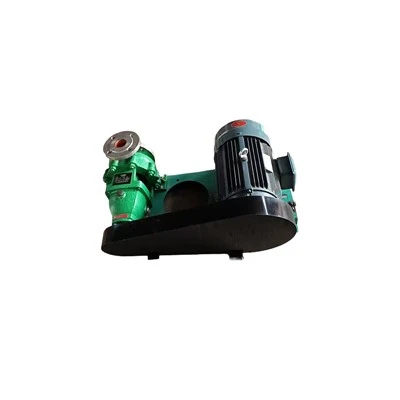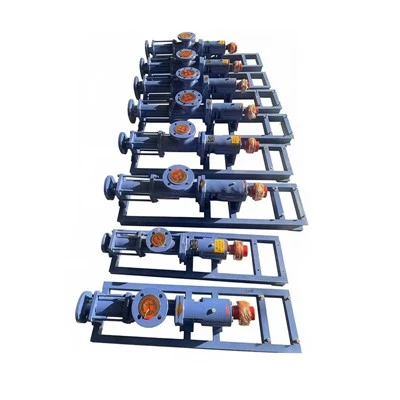
Hey there! As a supplier of Waste Oil Diaphragm Pumps, I often get asked about the flow rate range of these pumps. It's a crucial factor to consider when you're looking to handle waste oil efficiently. In this blog post, I'll break down what you can typically expect from a waste oil diaphragm pump in terms of flow rates and why it matters.
Understanding Diaphragm Pumps for Waste Oil
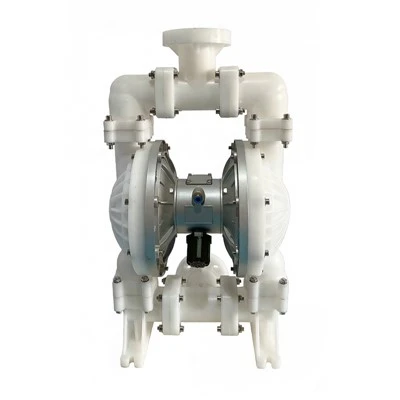
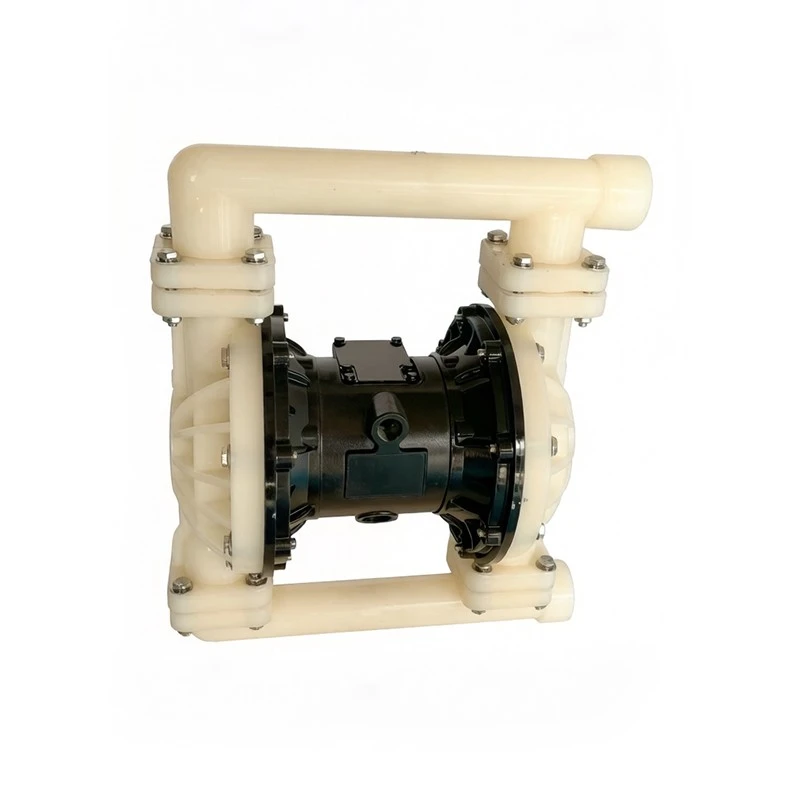
Before we dive into the flow rate details, let's quickly go over what a waste oil diaphragm pump is. These pumps are designed to handle all sorts of waste oil, which can be thick, sticky, and full of debris. They work by using a flexible diaphragm that moves back and forth, creating a vacuum to draw in the oil and then pushing it out through the outlet.
One of the great things about diaphragm pumps is their versatility. They can be used in various industries, from automotive repair shops to manufacturing plants, where waste oil needs to be collected and disposed of properly.
Typical Flow Rate Range
So, what's the flow rate range of a typical waste oil diaphragm pump? Well, it can vary quite a bit depending on the size and model of the pump. Generally speaking, the flow rate can range from as low as 5 gallons per minute (GPM) to as high as 60 GPM.
-
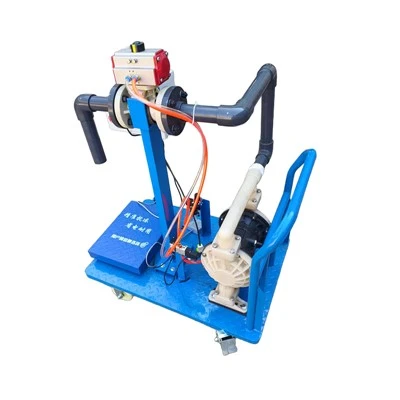
Low-End Flow Rates (5 - 15 GPM): These slower flow rates are common in smaller, more compact diaphragm pumps. They're great for applications where you don't need to move a large volume of waste oil quickly. For example, in a small automotive workshop, you might use a pump with a low flow rate to drain oil from individual cars. These pumps are also handy for precise oil transfer tasks, like filling small containers or adding oil to specific machinery components. If you're looking for a small and efficient option, you might want to check out our Small Electric Diaphragm Pump.
-
Medium Flow Rates (15 - 30 GPM): Pumps with medium flow rates are a popular choice for many industrial applications. They strike a balance between speed and power, allowing you to move waste oil at a reasonable pace without being overly bulky or energy-intensive. In a medium-sized manufacturing plant, a pump with a 20 - 25 GPM flow rate could be used to transfer waste oil from production lines to storage tanks. This type of flow rate is also suitable for big automotive repair shops that need to handle multiple vehicles at once.
-
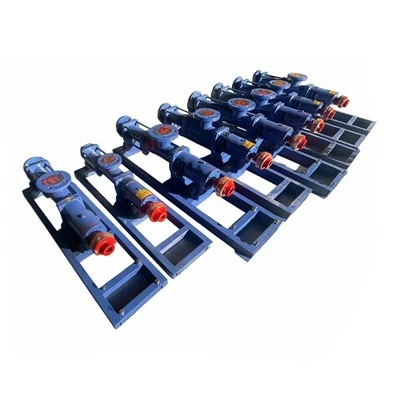
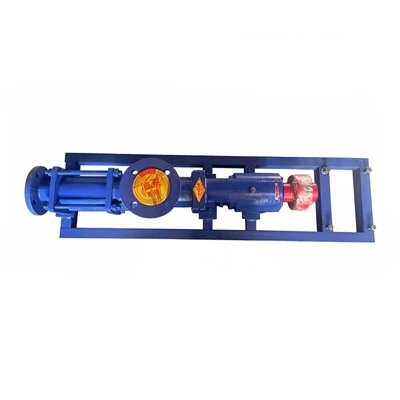
High-End Flow Rates (30 - 60 GPM): For large-scale operations, such as oil refineries or major manufacturing facilities, pumps with high flow rates are essential. These pumps can quickly move large volumes of waste oil, saving time and increasing efficiency. A refinery might use a pump with a 50 GPM flow rate to transfer waste oil from multiple storage areas to a central processing unit. However, keep in mind that these high-flow pumps are usually larger, more powerful, and may require more maintenance. If you're dealing with high-viscosity waste oil, our High Viscosity Diaphragm Pump could be a great option.
Factors Affecting Flow Rate
The flow rate of a waste oil diaphragm pump isn't just determined by its design. There are several other factors that can have an impact.
-
Viscosity of the Waste Oil: Waste oil can vary widely in viscosity, depending on its composition and temperature. Thicker, more viscous oils are harder to pump and will generally result in a lower flow rate. For instance, if you're dealing with used engine oil that has a high concentration of additives, it might be more viscous than regular waste oil, and the pump will need to work harder to move it. In such cases, a pump specifically designed for high viscosity, like our High Viscosity Diaphragm Pump, can help maintain a reasonable flow rate.
-
Pressure Requirements: The pressure at which the pump needs to operate can also affect the flow rate. If you need to pump the waste oil over a long distance or to a higher elevation, the pump will have to work against more resistance, and this can reduce the flow rate. You may need to choose a pump with a higher pressure rating to ensure an adequate flow rate under these conditions. Our Pneumatic Operated Diaphragm Pump is known for its ability to handle high-pressure applications.
-
Pipe Diameter and Length: The size and length of the pipes used to transfer the waste oil can play a role in the flow rate. Smaller diameter pipes and longer pipe runs create more friction, which can slow down the flow of oil. Using larger diameter pipes and keeping the pipe runs as short as possible can help maintain a higher flow rate.
Importance of Choosing the Right Flow Rate
Selecting the appropriate flow rate for your waste oil diaphragm pump is crucial for several reasons.

-
Efficiency: Using a pump with the right flow rate ensures that you can transfer waste oil quickly and efficiently. If the flow rate is too low, it will take a long time to move the oil, which can slow down your operations. On the other hand, if the flow rate is too high, you may end up wasting energy and causing unnecessary wear and tear on the pump.
-
Cost Savings: An efficient pump with the right flow rate can help you save on energy costs. It also reduces the need for frequent maintenance and repairs, which can save you money in the long run.
-
Safety: Using a pump that can handle the volume of waste oil you need to transfer safely is important. If the pump is overloaded or can't keep up with the demand, it can lead to spills and other safety hazards.
Different Types of Waste Oil Diaphragm Pumps and Their Flow Rates
There are several different types of waste oil diaphragm pumps, each with its own characteristics and flow rate capabilities.
-
Chemical Resistant Diaphragm Pump: These pumps are designed to handle waste oil that may contain corrosive chemicals. They're often used in industries where the waste oil is contaminated with acids or other harsh substances. The flow rate of a chemical-resistant diaphragm pump can vary, but it typically falls within the medium to high range. If you're dealing with chemically aggressive waste oil, our Chemical Resistant Diaphragm Pump can provide reliable performance.
-
Airless Diaphragm Pump: Airless diaphragm pumps use a different mechanism to operate, which can result in a smoother and more consistent flow. They're suitable for applications where a steady flow rate is required. The flow rates of airless diaphragm pumps can also vary, but they're generally in the medium range. Check out our Airless Diaphragm Pump for a reliable solution.
Conclusion
In conclusion, the flow rate range of a typical waste oil diaphragm pump can vary from 5 to 60 GPM, depending on the size, type, and application requirements. When choosing a pump, it's important to consider factors like the viscosity of the waste oil, pressure requirements, and pipe diameter to ensure you get the right flow rate for your needs.
If you're in the market for a waste oil diaphragm pump, we're here to help. We offer a wide range of pumps with different flow rates and features to suit your specific requirements. Whether you need a small electric pump for a workshop or a high-capacity pump for an industrial facility, we've got you covered.
Don't hesitate to reach out to us to discuss your waste oil pumping needs. We can provide expert advice and help you select the best pump for your application. Let's work together to find the perfect solution for your waste oil handling requirements!
References
Manufacturer manuals and technical specifications for diaphragm pumps.
Industry research on waste oil handling and pumping systems.