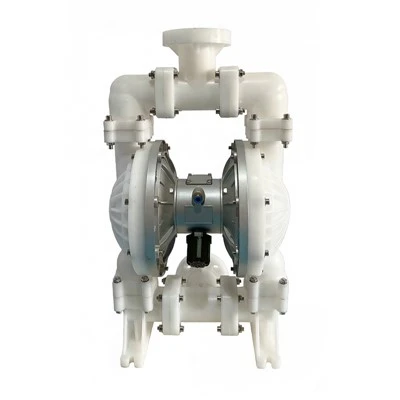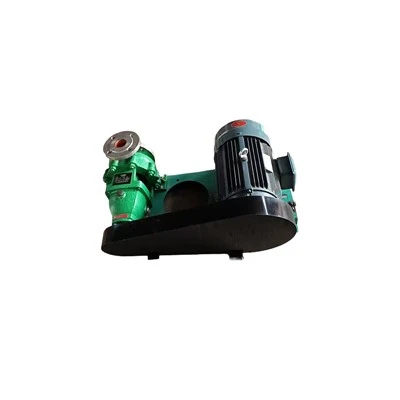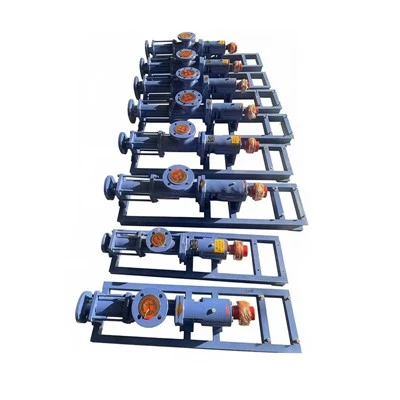
Pressure is a critical factor in the operation of an airless diaphragm pump, significantly influencing the performance and lifespan of its diaphragm. As a leading supplier of Airless Diaphragm Pump, we have in - depth knowledge and practical experience regarding the impact of pressure on the diaphragm of these pumps.
1. Basic Working Principle of Airless Diaphragm Pumps
Before delving into the influence of pressure, it is essential to understand how airless diaphragm pumps work. The pump operates by the reciprocating motion of a diaphragm. When the diaphragm moves in one direction, it creates a vacuum in the pump chamber, causing the fluid to be drawn in through the inlet valve. As the diaphragm moves in the opposite direction, it compresses the fluid in the chamber, forcing it out through the outlet valve. This cycle repeats, enabling continuous fluid transfer.
2. Positive Influences of Pressure on the Diaphragm
2.1. Efficient Fluid Transfer
Appropriate pressure is crucial for efficient fluid transfer. When the pressure within the pump chamber is well - regulated, the diaphragm can effectively displace the fluid. A sufficient pressure differential between the inlet and outlet sides of the pump ensures that the fluid flows smoothly through the system. For example, in applications where high - viscosity fluids need to be pumped, such as in the case of a High Viscosity Diaphragm Pump, a higher pressure is required to overcome the resistance of the thick fluid. The pressure exerted on the diaphragm helps it to deform and push the viscous fluid through the pump and into the delivery system.


2.2. Sealing Performance
Pressure can also enhance the sealing performance of the diaphragm. The diaphragm acts as a barrier between the fluid and the mechanical components of the pump. When the pressure is applied correctly, it presses the diaphragm against the sealing surfaces, creating a tight seal. This prevents leakage of the fluid, which is especially important in applications where the fluid is hazardous or expensive. In an Aro Electric Diaphragm Pump, proper pressure management ensures that there is no loss of fluid, maintaining the efficiency and safety of the pumping process.
3. Negative Influences of Pressure on the Diaphragm
3.1. Diaphragm Fatigue
Excessive pressure is one of the main causes of diaphragm fatigue. When the pressure on the diaphragm is too high, it has to undergo more significant deformation during each pumping cycle. Over time, this repeated stress can lead to the formation of micro - cracks in the diaphragm material. These micro - cracks can gradually grow, eventually causing the diaphragm to rupture. For instance, in a Waste Oil Diaphragm Pump, if the pressure is not properly controlled while pumping thick waste oil, the diaphragm may experience premature failure due to fatigue.
3.2. Material Degradation
High pressure can also accelerate the material degradation of the diaphragm. The diaphragm is typically made of elastomeric materials, which are sensitive to mechanical stress. Under high - pressure conditions, the molecular structure of the elastomer can be damaged. This may result in a loss of elasticity, hardness changes, and a reduction in chemical resistance. In an Aluminum Diaphragm Pump, the diaphragm material needs to withstand the pressure while also being compatible with the pumped fluid. Excessive pressure can compromise the integrity of the diaphragm material, leading to a shorter service life.
3.3. Blockage and Flow Instability
If the pressure is not evenly distributed across the diaphragm, it can cause blockage and flow instability. Uneven pressure can lead to uneven deformation of the diaphragm, which may prevent the proper opening and closing of the inlet and outlet valves. This can result in a reduced flow rate, pulsation in the fluid flow, and even complete blockage of the pump. In some cases, pressure fluctuations can also cause the diaphragm to stick to the valve seats, further disrupting the normal operation of the pump.
4. Pressure Management Strategies
As a responsible supplier, we understand the importance of pressure management to ensure the optimal performance of airless diaphragm pumps. Here are some strategies that we recommend to our customers:
4.1. Pressure Regulation Devices
Installing pressure regulation devices such as pressure relief valves and pressure sensors can help maintain the pressure within a safe range. Pressure relief valves can automatically release excess pressure when it exceeds a pre - set limit, protecting the diaphragm from damage. Pressure sensors can monitor the pressure in real - time and provide feedback to the control system, allowing for timely adjustments.
4.2. Proper Diaphragm Selection
Selecting the right diaphragm material and size according to the specific application requirements is crucial. Different diaphragm materials have different pressure resistance capabilities. For high - pressure applications, materials with high strength and elasticity should be chosen. The size of the diaphragm also affects its pressure - handling ability. A larger - sized diaphragm may be able to withstand higher pressures compared to a smaller one.
4.3. Regular Maintenance
Regular maintenance of the pump is essential to ensure proper pressure management. This includes checking the pressure regulation devices for proper functioning, inspecting the diaphragm for signs of wear and tear, and cleaning the valves and other components to prevent blockages. By performing regular maintenance, potential problems related to pressure can be detected and addressed early, extending the lifespan of the diaphragm and the pump.
5. Conclusion
In conclusion, pressure has both positive and negative influences on the diaphragm of an airless diaphragm pump. Appropriate pressure is necessary for efficient fluid transfer and good sealing performance. However, excessive or uneven pressure can lead to diaphragm fatigue, material degradation, and flow instability. As a supplier of Airless Diaphragm Pump, we are committed to providing our customers with high - quality pumps and comprehensive technical support to help them manage pressure effectively.
If you are interested in our airless diaphragm pumps or need more information on pressure management and diaphragm selection, we encourage you to contact us for a purchasing discussion. Our team of experts is ready to assist you in finding the best solutions for your specific pumping needs.
References
- [Author's Surname, Name]. (Year). [Title of the Book]. [Publisher].
- [Author's Surname, Name]. (Year). [Title of the Article]. [Journal Name], [Volume Number], [Page Range].