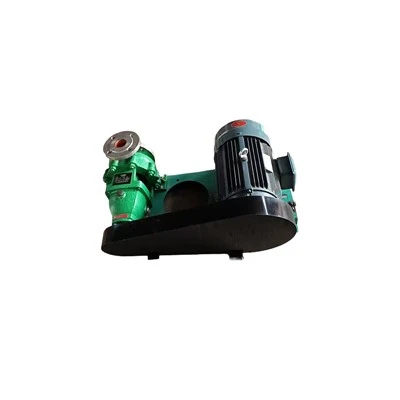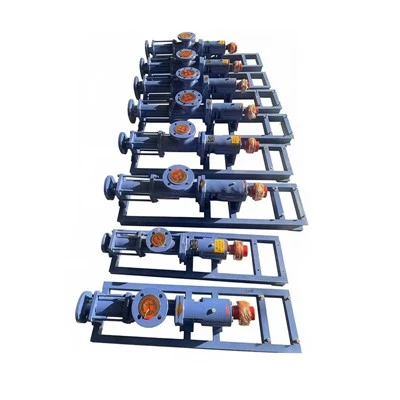
Hey there! As a supplier of Aluminum Diaphragm Pumps, I've seen firsthand how different factors can affect these pumps. One of the most crucial factors is the fluid pH. In this blog, I'll dive into what impact the fluid pH can have on the diaphragm material of an aluminum diaphragm pump.
Understanding Aluminum Diaphragm Pumps
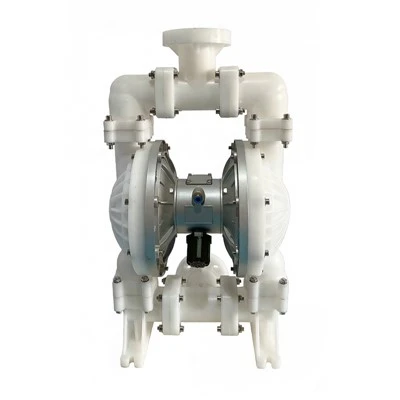
First off, let's quickly go over what an aluminum diaphragm pump is. These pumps are pretty versatile and are used in a wide range of industries, from chemical processing to food and beverage. They work by using a diaphragm that moves back and forth to create a pumping action. The diaphragm is a key component, and its material needs to be able to withstand the conditions it's exposed to.
We offer a variety of diaphragm pumps, like the Aro Electric Diaphragm Pump, Small Electric Diaphragm Pump, Pneumatic Operated Diaphragm Pump, and High Viscosity Diaphragm Pump. But today, we're focusing on the Aluminum Diaphragm Pump.
The Basics of Fluid pH
pH is a measure of how acidic or basic a fluid is. It's measured on a scale from 0 to 14, where 0 is highly acidic, 7 is neutral, and 14 is highly basic. Different fluids have different pH values. For example, lemon juice is acidic with a pH of around 2, while baking soda solution is basic with a pH of around 9.
When it comes to pumps, the pH of the fluid being pumped can have a big impact on the diaphragm material. The diaphragm needs to be compatible with the fluid to ensure the pump works properly and has a long lifespan.
Impact of Acidic Fluids on Diaphragm Material
Acidic fluids can be pretty tough on the diaphragm material of an aluminum diaphragm pump. When the fluid has a low pH (acidic), it can cause corrosion of the diaphragm. Corrosion is a chemical reaction that breaks down the material over time.
If the diaphragm is made of a material that's not resistant to acids, it can start to degrade. This can lead to holes or tears in the diaphragm, which will affect the pump's performance. The pump might start to leak, or it might not be able to pump the fluid as efficiently.
For example, if you're pumping a highly acidic solution like hydrochloric acid, you need to make sure the diaphragm material is acid-resistant. Some common acid-resistant materials for diaphragms include fluoropolymers like PTFE (polytetrafluoroethylene). These materials can withstand the corrosive effects of acids and help the pump last longer.
Impact of Basic Fluids on Diaphragm Material
On the other hand, basic fluids (high pH) can also cause problems for the diaphragm material. Basic fluids can react with the diaphragm material in a different way. They can cause swelling or embrittlement of the diaphragm.
Swelling can make the diaphragm lose its shape and flexibility. This can affect the pump's ability to create a proper pumping action. Embrittlement, on the other hand, makes the diaphragm more brittle and prone to cracking. If the diaphragm cracks, it can lead to leaks and a loss of pump efficiency.


When pumping basic fluids, you need to choose a diaphragm material that's resistant to alkalinity. Materials like EPDM (ethylene propylene diene monomer) are often used for their resistance to basic solutions.
Neutral Fluids and Diaphragm Material
Neutral fluids (pH around 7) are generally less harsh on the diaphragm material. However, even with neutral fluids, there can still be some factors that affect the diaphragm. For example, the presence of other chemicals or contaminants in the fluid can cause issues.
Some neutral fluids might contain abrasive particles. These particles can wear down the diaphragm over time, even if the fluid itself is not acidic or basic. So, it's still important to consider the overall composition of the fluid when choosing a diaphragm material.
Choosing the Right Diaphragm Material Based on Fluid pH
As a supplier, we understand how important it is to choose the right diaphragm material for your specific application. When you're considering an Aluminum Diaphragm Pump, you need to know the pH of the fluid you'll be pumping.
If you're dealing with acidic fluids, look for diaphragms made of acid-resistant materials like PTFE. For basic fluids, EPDM or other alkaline-resistant materials are a good choice. And for neutral fluids, you still need to consider other factors like abrasion resistance.
We can help you select the right diaphragm material based on your fluid's pH and other properties. Our team of experts has a lot of experience in the industry and can provide you with the best advice.
How Fluid pH Affects Pump Lifespan
The fluid pH can have a significant impact on the lifespan of the aluminum diaphragm pump. If the diaphragm material is not compatible with the fluid's pH, the pump will likely have a shorter lifespan.
Corrosion, swelling, or embrittlement of the diaphragm can lead to frequent breakdowns and the need for replacement parts. This can be costly and time-consuming. By choosing the right diaphragm material based on the fluid pH, you can extend the pump's lifespan and reduce maintenance costs.
Real-World Examples
Let's look at a couple of real-world examples to see how fluid pH can affect the diaphragm material.
In a chemical processing plant, they were using an aluminum diaphragm pump to transfer a highly acidic solution. At first, they didn't pay much attention to the diaphragm material. The pump started to experience leaks after a few weeks of operation. It turned out that the diaphragm was made of a material that wasn't resistant to acids. Once they replaced the diaphragm with a PTFE one, the pump worked much better and had a longer lifespan.
In another case, a food and beverage company was using a pump to transfer a basic cleaning solution. The diaphragm started to swell, and the pump's performance decreased. After switching to an EPDM diaphragm, the problem was solved, and the pump was able to operate efficiently again.
Conclusion
In conclusion, the fluid pH has a big impact on the diaphragm material of an aluminum diaphragm pump. Acidic fluids can cause corrosion, basic fluids can cause swelling or embrittlement, and even neutral fluids can have other factors that affect the diaphragm.
As a supplier, we're here to help you choose the right diaphragm material for your specific application. Whether you need an Aro Electric Diaphragm Pump, Small Electric Diaphragm Pump, Pneumatic Operated Diaphragm Pump, High Viscosity Diaphragm Pump, or an Aluminum Diaphragm Pump, we can provide you with the best solutions.
If you're interested in learning more about our pumps or need help with choosing the right diaphragm material, don't hesitate to reach out. We're ready to assist you with your pump needs and ensure you get the most out of your investment.
References
- Perry, R. H., & Green, D. W. (Eds.). (2008). Perry's Chemical Engineers' Handbook. McGraw-Hill.
- Pump Handbook (4th ed.). (2012). McGraw-Hill.