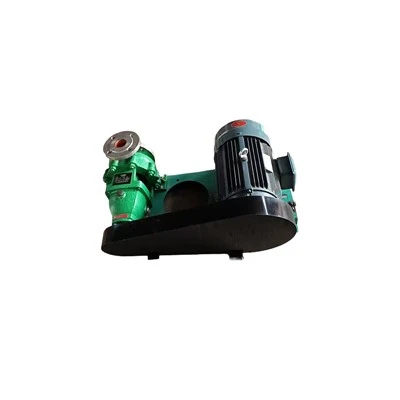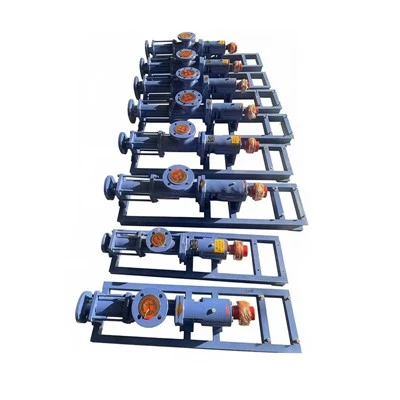
Hey there! As a supplier of Paint Transfer Gear Pump, I've seen my fair share of issues with these pumps. And let me tell you, troubleshooting them can be a real pain, but it doesn't have to be. In this blog post, I'll walk you through the steps to troubleshoot a paint transfer gear pump like a pro.
Understanding How a Paint Transfer Gear Pump Works
Before we dive into troubleshooting, it's important to understand how a paint transfer gear pump operates. A paint transfer gear pump is a positive displacement pump that uses two gears meshed together to move fluid. One gear is the driving gear, which is connected to a motor, and the other is the driven gear. As the gears rotate, they create chambers that trap the paint and move it from the inlet to the outlet.
This simple yet effective design makes paint transfer gear pumps reliable for transferring paint and other viscous fluids. However, like any mechanical device, they can run into problems over time.
Common Issues with Paint Transfer Gear Pumps
- Low Flow or No Flow
- This is one of the most common problems. It can be caused by a clogged inlet or outlet. Over time, paint can dry and build up in the pump, restricting the flow of the paint. It could also be due to worn - out gears. If the gears are damaged or worn, they won't be able to create a proper seal to move the paint effectively.
- Leakage
- Leaks can occur around the seals or gaskets. The seals are designed to keep the paint inside the pump, but if they are damaged or not installed correctly, paint can leak out. High pressure or abrasive paint can also cause the seals to wear out faster.
- Excessive Noise or Vibration
- This could be a sign of misalignment. If the pump is not properly aligned with the motor, it can cause excessive noise and vibration. Loose parts, such as bolts or screws, can also contribute to this problem. Another possible cause is cavitation. Cavitation happens when the pressure in the pump drops too low, causing the formation of vapor bubbles that collapse and create noise.
Troubleshooting Steps
Step 1: Check the Power Supply
First things first, make sure the pump is getting power. Check if the motor is running. If it's not, check the power cord for any damage. Sometimes, a loose connection can prevent the motor from starting. You can also use a multimeter to test the voltage at the motor terminals to ensure it's getting the right amount of power.
Step 2: Inspect the Inlet and Outlet
Look for any blockages in the inlet and outlet hoses. If there's paint buildup, you can try flushing the hoses with a suitable solvent. Make sure to follow the safety precautions when using solvents. If the hoses are severely clogged, you may need to replace them.
Step 3: Examine the Gears
If you suspect the gears are the problem, you'll need to open up the pump. This should only be done if you're familiar with the pump's internal components. Check the gears for any signs of wear, such as chipped teeth or excessive clearance between the gears. If the gears are worn, they'll need to be replaced. You can find replacement gears for Paint Transfer Gear Pump on our website.


Step 4: Check the Seals and Gaskets
Inspect the seals and gaskets for any signs of damage or wear. If you notice any leaks around the pump, it's likely that a seal or gasket needs to be replaced. Make sure to use the correct type of seal for your pump. You can refer to the pump's manual or contact our customer support for assistance.
Step 5: Look for Misalignment and Loose Parts
Check if the pump is properly aligned with the motor. A misaligned pump can cause premature wear on the gears and bearings. You can use a straightedge to check the alignment. Also, tighten any loose bolts or screws. This simple step can often reduce noise and vibration.
Step 6: Address Cavitation
If you suspect cavitation is the issue, check the inlet pressure. Low inlet pressure can cause cavitation. You may need to increase the pressure at the inlet by adjusting the supply system. Make sure the paint supply is sufficient and that the inlet hose is not kinked.
Other Types of Gear Pumps
We also supply other types of gear pumps, such as Hydraulic Gear Pump, Pneumatic Gear Pump, High Flow Gear Pump, and Mini Gear Pump. Each type of pump has its own unique features and troubleshooting requirements. If you're having issues with any of these pumps, don't hesitate to reach out to us.
Maintenance Tips to Prevent Future Problems
- Regular Cleaning: Clean the pump after each use to prevent paint buildup. Use a suitable cleaning solution and follow the manufacturer's instructions.
- Lubrication: Some pumps require lubrication. Make sure to use the recommended lubricant and lubricate the pump at the specified intervals.
- Inspection: Periodically inspect the pump for any signs of wear or damage. Catching problems early can save you a lot of time and money in the long run.
Conclusion
Troubleshooting a paint transfer gear pump may seem daunting at first, but by following these steps, you can identify and fix most common problems. Remember, if you're unsure about anything, don't hesitate to contact us. We're here to help you keep your pump running smoothly.
If you're in the market for a new paint transfer gear pump or need replacement parts, we've got you covered. Our Paint Transfer Gear Pump is built to last and provides reliable performance. Contact us for more information on our products and to start a purchase negotiation. We're looking forward to working with you!
References
- Manufacturer's manuals for paint transfer gear pumps.
- Industry best practices for gear pump maintenance and troubleshooting.