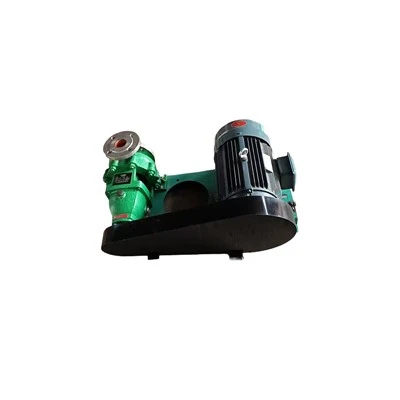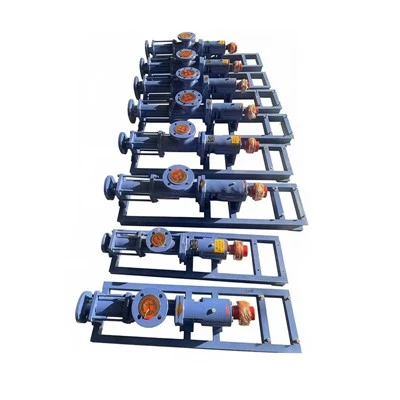
Industrial screw pumps are indispensable in various industrial applications, handling a wide range of fluids. However, when it comes to abrasive fluids, these pumps face significant challenges. As a supplier of Industrial Screw Pumps, we understand the importance of protecting these pumps from the damaging effects of abrasive fluids. In this blog, we will delve into the various strategies and techniques to ensure the longevity and efficient operation of industrial screw pumps in abrasive fluid environments.
Understanding Abrasive Fluids
Abrasive fluids contain solid particles that can cause wear and tear on the components of industrial screw pumps. These particles can vary in size, shape, and hardness, and their presence in fluids such as slurries, muds, and abrasive chemicals can have a detrimental impact on the pump's performance. Common sources of abrasive particles include sand, gravel, metal shavings, and silica. When these particles are pumped through the screw pump, they can cause erosion, corrosion, and mechanical damage to the pump's internals, leading to reduced efficiency, increased maintenance costs, and ultimately, pump failure.
Selecting the Right Pump Materials
One of the most effective ways to protect industrial screw pumps from abrasive fluids is to select the appropriate materials for the pump's components. The choice of materials depends on several factors, including the type and concentration of abrasive particles in the fluid, the operating conditions of the pump, and the required service life.
- Hardened Alloys: Hardened alloys, such as stainless steel, chromium, and tungsten carbide, are commonly used for the pump's rotors, stators, and other critical components. These materials offer high resistance to wear and corrosion, making them ideal for handling abrasive fluids.
- Ceramics: Ceramics are another excellent choice for pump components exposed to abrasive fluids. They have high hardness, wear resistance, and chemical stability, making them suitable for use in harsh environments. However, ceramics can be brittle and may require careful handling during installation and operation.
- Composite Materials: Composite materials, such as fiberglass-reinforced plastics (FRP) and carbon fiber composites, are lightweight, corrosion-resistant, and offer good wear resistance. They can be used for the pump's casing, impeller, and other non-critical components to reduce weight and improve efficiency.
Implementing Proper Pump Design
In addition to selecting the right materials, proper pump design is crucial for protecting industrial screw pumps from abrasive fluids. The following design considerations can help minimize the impact of abrasive particles on the pump's performance:
- Smooth Surface Finish: A smooth surface finish on the pump's internals can reduce the adhesion of abrasive particles and prevent them from causing damage. This can be achieved through proper machining and surface treatment processes.
- Optimized Clearances: Properly sized clearances between the pump's rotors, stators, and other components can prevent abrasive particles from getting trapped and causing excessive wear. The clearances should be designed to allow for the passage of the fluid while minimizing the contact between the particles and the pump's surfaces.
- Abrasion-Resistant Linings: Applying abrasion-resistant linings to the pump's casing, impeller, and other components can provide an additional layer of protection against wear and corrosion. These linings can be made of materials such as rubber, polyurethane, or epoxy coatings.
Controlling Fluid Properties
Controlling the properties of the abrasive fluid can also help protect industrial screw pumps from damage. The following measures can be taken to reduce the abrasiveness of the fluid:
- Filtration: Filtration is an effective way to remove large abrasive particles from the fluid before it enters the pump. This can be achieved using various types of filters, such as screen filters, cartridge filters, and bag filters. The choice of filter depends on the size and concentration of the abrasive particles in the fluid.
- Dilution: Diluting the abrasive fluid with a compatible solvent or diluent can reduce the concentration of abrasive particles and minimize their impact on the pump. However, this method should be used with caution, as it may also affect the performance of the fluid in other ways.
- pH Adjustment: Adjusting the pH of the abrasive fluid can also help reduce its corrosiveness and abrasiveness. This can be achieved by adding acids or bases to the fluid to bring its pH within the desired range.
Regular Maintenance and Inspection
Regular maintenance and inspection are essential for ensuring the long-term performance and reliability of industrial screw pumps in abrasive fluid environments. The following maintenance practices should be followed:
- Lubrication: Proper lubrication of the pump's bearings, seals, and other moving parts can reduce friction and wear, extending the life of the pump. The lubricant should be selected based on the type of fluid being pumped and the operating conditions of the pump.
- Seal Inspection and Replacement: Seals are critical components of industrial screw pumps, as they prevent the leakage of fluid and the entry of abrasive particles. Regular inspection and replacement of seals can help prevent pump failure and ensure efficient operation.
- Component Replacement: Worn or damaged components, such as rotors, stators, and bearings, should be replaced promptly to prevent further damage to the pump. Regular inspection of the pump's internals can help identify components that need to be replaced.
Monitoring and Diagnostic Systems
Implementing monitoring and diagnostic systems can help detect early signs of pump wear and damage, allowing for proactive maintenance and repair. The following monitoring techniques can be used:


- Vibration Analysis: Vibration analysis can detect changes in the pump's vibration patterns, which can indicate the presence of wear, misalignment, or other mechanical problems. By monitoring the vibration levels of the pump, maintenance personnel can identify potential issues before they cause significant damage.
- Temperature Monitoring: Temperature monitoring can detect changes in the pump's operating temperature, which can indicate the presence of excessive friction, wear, or overheating. By monitoring the temperature of the pump, maintenance personnel can take appropriate action to prevent pump failure.
- Performance Monitoring: Performance monitoring can track the pump's flow rate, pressure, and power consumption over time, providing valuable insights into the pump's operating condition. By analyzing the performance data, maintenance personnel can identify trends and anomalies that may indicate potential problems.
Conclusion
Protecting industrial screw pumps from abrasive fluids is essential for ensuring their long-term performance and reliability. By selecting the right pump materials, implementing proper pump design, controlling fluid properties, performing regular maintenance and inspection, and using monitoring and diagnostic systems, you can minimize the impact of abrasive particles on the pump's components and extend its service life.
As a leading supplier of Industrial Screw Pumps, we offer a wide range of high-quality pumps designed to handle abrasive fluids. Our pumps are available in various configurations, including High Pressure Screw Pump, Triple Screw Pump, Micro Screw Pump, and Single Screw Pump. We also provide comprehensive technical support and after-sales service to ensure that our customers get the most out of their pumps.
If you are looking for a reliable solution to protect your industrial screw pumps from abrasive fluids, please contact us to discuss your specific requirements. Our team of experts will be happy to provide you with customized solutions and professional advice.
References
- Smith, J. (2020). Industrial Pump Handbook. McGraw-Hill.
- Jones, A. (2019). Abrasive Wear in Pumps: Causes, Effects, and Prevention. Journal of Pump Technology, 45(2), 34-42.
- Brown, B. (2018). Selection of Materials for Pumps in Abrasive Fluid Applications. Proceedings of the International Pump Symposium, 23-27.