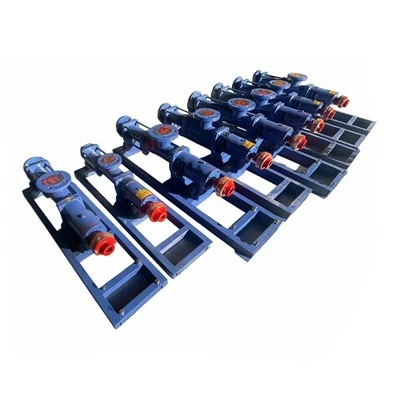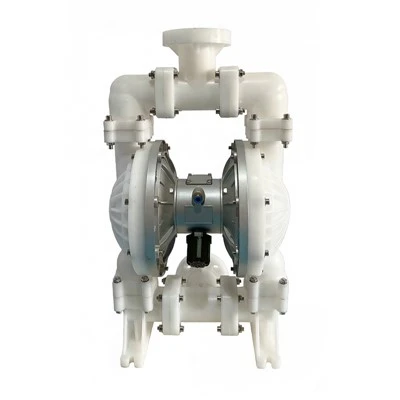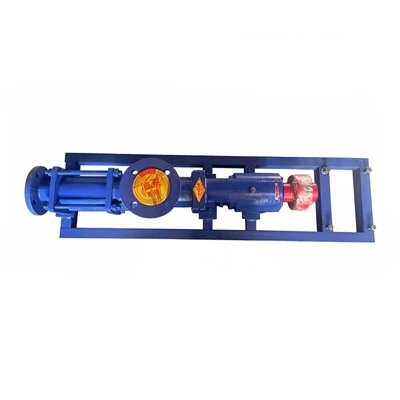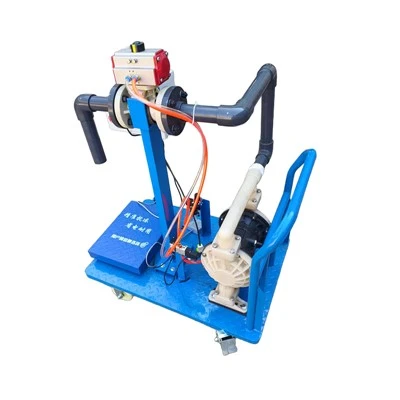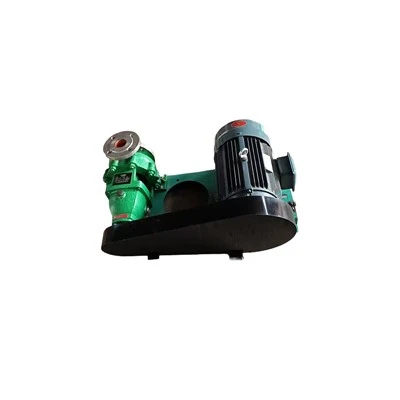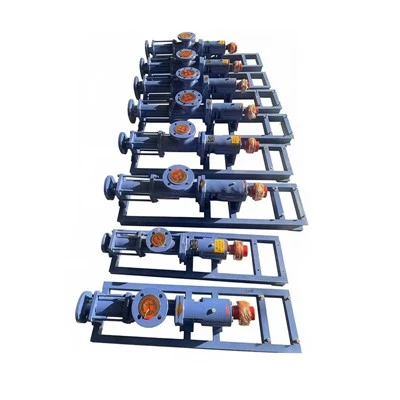
As a supplier of High Pressure Screw Pumps, I've seen firsthand the crucial role that suction and discharge ports play in the performance of these pumps. Let's dive into why they're so important and how they impact the overall functionality of high-pressure screw pumps.
Basics of High Pressure Screw Pumps
First off, a quick refresher on high-pressure screw pumps. They're used in a ton of industries, from oil and gas to chemical processing. These pumps work by using intermeshing screws to move fluid through the pump, creating a continuous flow. The screws rotate in synchronization, trapping the fluid between the screw threads and the pump casing. As the screws turn, the fluid is moved from the suction side to the discharge side of the pump.

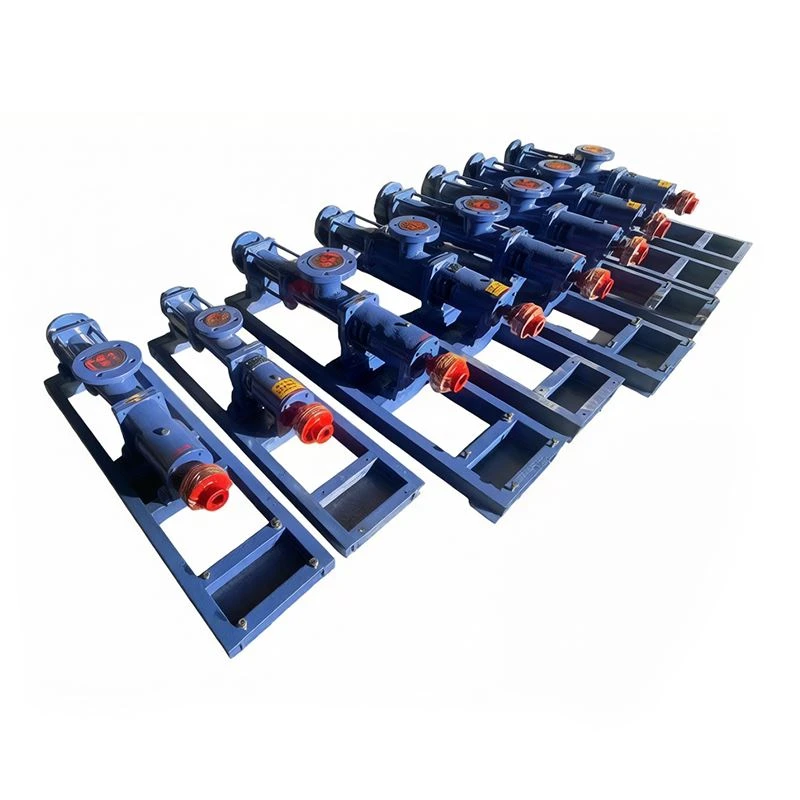
Now, let's talk about the suction and discharge ports. The suction port is where the fluid enters the pump, and the discharge port is where it exits. Sounds simple, right? But these two ports are actually super important for the pump to work properly.
Importance of the Suction Port
The suction port is the starting point of the whole process. Its design and condition can significantly affect the pump's performance.
1. Flow Rate and Efficiency
A well-designed suction port ensures that the fluid can enter the pump smoothly. If the suction port is too small or has a rough interior surface, it can create a restriction, reducing the flow rate of the fluid entering the pump. This not only lowers the overall efficiency of the pump but can also cause cavitation. Cavitation is a phenomenon where the pressure of the fluid drops too low, causing vapor bubbles to form. When these bubbles collapse, they can damage the pump components, leading to costly repairs and downtime.
For example, imagine a High Pressure Screw Pump used in an oil refinery. If the suction port is clogged or has a poor design, the flow of crude oil into the pump will be restricted. This can slow down the entire refining process, resulting in lost production and increased costs.
2. Preventing Contamination
The suction port also acts as a first line of defense against contaminants. A properly designed suction port can be equipped with filters or strainers to remove large particles from the fluid before it enters the pump. This helps protect the pump's internal components from damage and wear, extending the pump's lifespan.
Let's say you're using a High Pressure Screw Pump in a water treatment plant. The suction port can be fitted with a coarse strainer to remove debris such as leaves, twigs, and large sediment. This prevents these contaminants from entering the pump and causing blockages or damage to the screws.
Importance of the Discharge Port
The discharge port is just as important as the suction port. It's where the fluid exits the pump and is delivered to its destination.
1. Pressure Regulation
The design of the discharge port plays a crucial role in regulating the pressure of the fluid leaving the pump. A properly sized and shaped discharge port can help maintain a consistent pressure, ensuring that the fluid is delivered at the required pressure to the downstream system.
For instance, in a hydraulic system, a High Pressure Screw Pump is used to generate high-pressure fluid. The discharge port must be designed to handle the high pressure and maintain a stable flow. If the discharge port is too large, the pressure may drop, resulting in a loss of power and efficiency. On the other hand, if it's too small, it can create excessive backpressure, which can damage the pump and other components in the system.
2. Compatibility with the System
The discharge port must be compatible with the downstream system. This includes factors such as the size, shape, and connection type. A proper connection between the pump's discharge port and the downstream piping or equipment is essential to prevent leaks and ensure a smooth flow of fluid.
Let's take the example of a chemical processing plant. The High Pressure Screw Pump is used to transfer corrosive chemicals to a storage tank. The discharge port must be made of a material that is resistant to corrosion and have a connection type that is compatible with the piping system leading to the storage tank. This ensures a leak-free and efficient transfer of the chemicals.
Impact on Different Types of Screw Pumps
The importance of suction and discharge ports varies slightly depending on the type of screw pump. Here's a look at how they affect some common types of screw pumps.
Micro Screw Pumps
Micro Screw Pumps are used in applications where precise and low-flow pumping is required, such as in medical devices and laboratory equipment. In these pumps, the suction and discharge ports need to be extremely precise to ensure accurate dosing and flow control. Even a small deviation in the port design can lead to significant errors in the pumping process.
Stainless Steel Screw Pumps
Stainless Steel Screw Pumps are commonly used in the food and beverage industry, as well as in applications where corrosion resistance is important. The suction and discharge ports in these pumps must be made of high-quality stainless steel to prevent contamination and ensure the longevity of the pump. Additionally, they need to be designed to meet strict hygiene standards, such as having smooth surfaces and easy-to-clean connections.
Hyghspin Twin Screw Pumps
Hyghspin Twin Screw Pumps are known for their high efficiency and ability to handle a wide range of viscosities. The suction and discharge ports in these pumps need to be designed to accommodate the specific flow characteristics of the fluid being pumped. For high-viscosity fluids, the ports may need to be larger to ensure a smooth flow, while for low-viscosity fluids, smaller ports may be sufficient.
Industrial Screw Pumps
Industrial Screw Pumps are used in a variety of industrial applications, from wastewater treatment to power generation. These pumps often handle large volumes of fluid and operate at high pressures. The suction and discharge ports in industrial screw pumps need to be robust and able to withstand the harsh operating conditions. They also need to be designed for easy maintenance and replacement to minimize downtime.
Conclusion
In conclusion, the suction and discharge ports are vital components of a high-pressure screw pump. They affect the pump's flow rate, efficiency, pressure regulation, and overall performance. Whether you're using a micro screw pump in a medical device or an industrial screw pump in a large-scale manufacturing plant, the proper design and maintenance of these ports are essential for reliable and efficient operation.
If you're in the market for a high-pressure screw pump or need to replace the suction or discharge ports of your existing pump, don't hesitate to reach out. We're here to help you find the right solution for your specific needs. Contact us to discuss your requirements and let's start a conversation about how we can assist you with your pumping needs.
References
- "Pump Handbook" by Igor J. Karassik et al.
- "Centrifugal and Positive Displacement Pumps: Theory, Design, and Application" by Allan R. Budris.