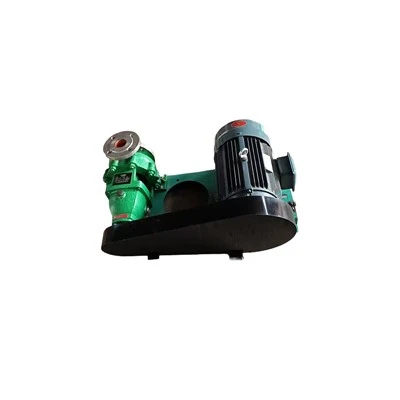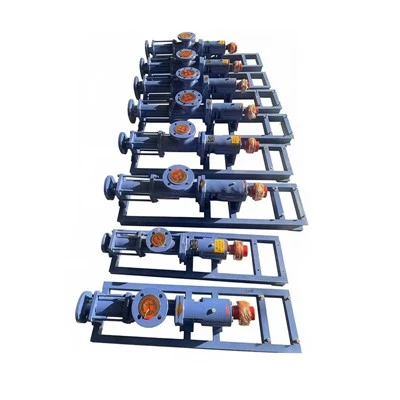
As a supplier of Sanitary Gear Pumps, I've seen firsthand the issues that can arise when these pumps run dry. Running dry can cause serious damage to the pump, leading to costly repairs and downtime. In this blog post, I'll share some tips on how to prevent a Sanitary Gear Pump from running dry.
Understanding the Risks of Running Dry
Before we dive into prevention methods, it's important to understand why running dry is such a big deal. Sanitary Gear Pumps rely on the fluid they're pumping to lubricate and cool the internal components. When the pump runs dry, there's no fluid to perform these functions. This can lead to excessive heat, which can cause the gears to warp, the seals to fail, and the bearings to wear out prematurely.
1. Install a Low-Level Sensor
One of the most effective ways to prevent a Sanitary Gear Pump from running dry is to install a low-level sensor in the supply tank. This sensor can detect when the fluid level in the tank drops below a certain point and automatically shut off the pump. It's like having a little watchdog that keeps an eye on the fluid level and takes action when needed.
Many modern low-level sensors are easy to install and can be integrated with the pump's control system. They're also highly reliable, so you can trust them to do their job. If you're interested in learning more about low-level sensors, feel free to reach out, and we can discuss the options that are best for your specific application.
2. Use a Flow Switch
Another useful tool for preventing dry running is a flow switch. A flow switch monitors the flow of fluid through the pump. If the flow drops below a set threshold, it sends a signal to the pump to shut off. This can be especially useful in situations where the supply of fluid might be interrupted, such as a clogged inlet or a malfunctioning valve.
Flow switches come in different types, including mechanical and electronic. Mechanical flow switches are simple and reliable, while electronic flow switches offer more precise control and can be adjusted to different flow rates. You can check out our High Precision Gear Pump for applications that require accurate flow control.
3. Regular Maintenance and Inspection
Regular maintenance and inspection are crucial for keeping your Sanitary Gear Pump in good working condition. This includes checking the fluid levels in the supply tank, inspecting the pump for any signs of wear or damage, and cleaning the inlet and outlet filters.
By performing regular maintenance, you can catch potential problems before they become serious. For example, if you notice that the fluid level in the tank is dropping faster than normal, it could be a sign of a leak. Or, if you see that the pump is making unusual noises, it could indicate a problem with the gears or bearings.
4. Train Your Staff
Proper training of your staff is essential for preventing dry running. Make sure your operators understand the importance of keeping the pump supplied with fluid and how to recognize the signs of a potential problem. Provide them with clear instructions on how to operate the pump and what to do in case of an emergency.
Training can also include hands-on demonstrations of how to perform maintenance tasks, such as changing the filters or checking the fluid levels. By empowering your staff with the knowledge and skills they need, you can reduce the risk of human error and ensure that the pump is operated safely and efficiently.
5. Choose the Right Pump for Your Application
Selecting the right Sanitary Gear Pump for your application is another important factor in preventing dry running. Consider the flow rate, pressure, and viscosity of the fluid you'll be pumping. Make sure the pump is capable of handling the demands of your system.
If you're pumping a high-viscosity fluid, for example, you might need a pump with a larger gear size or a higher horsepower motor. On the other hand, if you're pumping a low-viscosity fluid, a smaller pump might be sufficient. You can explore our Lubricating Oil Gear Pump for applications involving lubricating oils.
6. Monitor the Pump's Performance
Monitoring the pump's performance is an ongoing process that can help you detect any issues early on. Keep track of the pump's flow rate, pressure, and temperature. If you notice any significant changes in these parameters, it could be a sign of a problem.
You can use a variety of monitoring tools, such as pressure gauges, flow meters, and temperature sensors. These tools can provide real-time data on the pump's performance, allowing you to take corrective action before it's too late.

7. Consider a Backup System
In some cases, it might be a good idea to have a backup system in place. This could be a secondary pump that can be activated in case the primary pump fails or runs dry. A backup system can help minimize downtime and ensure that your operations continue without interruption.
There are different types of backup systems available, depending on your specific needs. You can choose from redundant pumps, standby pumps, or emergency power supplies. If you're interested in learning more about backup systems, we can help you evaluate the options and select the one that's right for you.
8. Use a Pressure Relief Valve
A pressure relief valve can be a valuable addition to your Sanitary Gear Pump system. This valve is designed to open when the pressure in the system exceeds a certain limit, allowing the fluid to bypass the pump and relieve the pressure.
By using a pressure relief valve, you can prevent the pump from being damaged by excessive pressure. This can be especially important in situations where the pump might be subjected to sudden changes in pressure, such as when the outlet is blocked or the flow rate is suddenly increased.
Conclusion
Preventing a Sanitary Gear Pump from running dry is essential for ensuring its long-term reliability and performance. By following these tips, you can reduce the risk of damage and downtime, and keep your pump running smoothly.
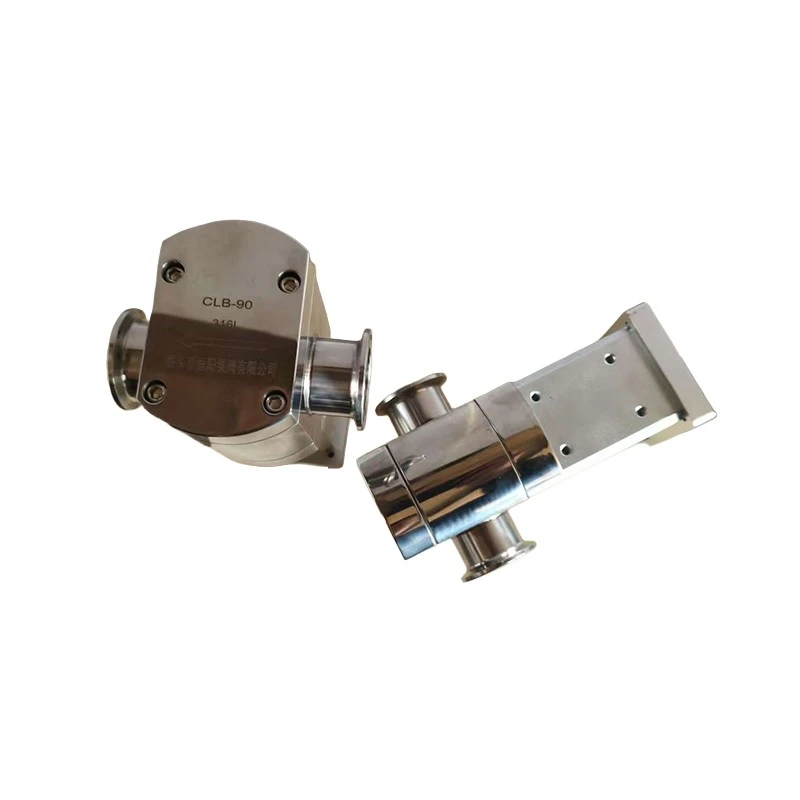
If you're in the market for a Sanitary Gear Pump or need help with preventing dry running in your existing system, don't hesitate to contact us. We're here to provide you with the expertise and support you need to make the right decisions for your application. Whether you're looking for a High Temperature Gear Pump, a KCB Gear Pump, or a Stainless Steel Gear Pump, we've got you covered.
References
- Pump Handbook, by Igor J. Karassik et al.
- Centrifugal Pump Operation and Maintenance, by P.E. Cooper.