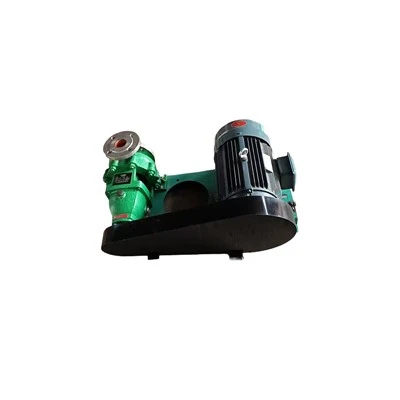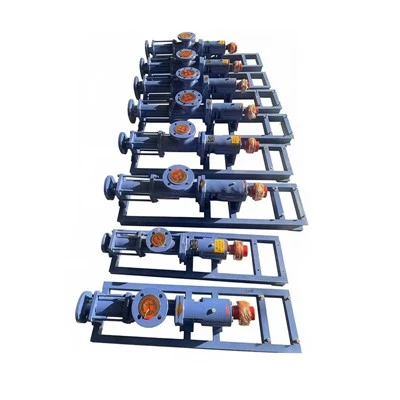
Waste oil management is a critical aspect of environmental protection and industrial efficiency. In this blog, I'll share how our waste oil diaphragm pumps can make a big difference in waste oil management. As a supplier of waste oil diaphragm pumps, I've seen firsthand how these pumps contribute to handling waste oil in various industries.
What is a Waste Oil Diaphragm Pump?
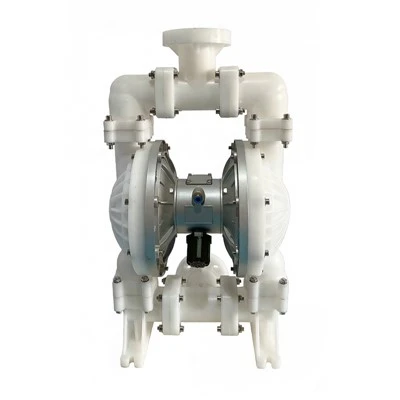
A waste oil diaphragm pump is a type of positive displacement pump that uses a flexible diaphragm to move waste oil. The diaphragm moves back and forth, creating a vacuum on one side to draw in the waste oil and then pushing it out on the other side. This design allows the pump to handle viscous and abrasive waste oil without getting damaged easily.
Efficient Waste Oil Transfer
One of the main contributions of a waste oil diaphragm pump to waste oil management is its ability to transfer waste oil efficiently. These pumps can handle a wide range of waste oil viscosities, from thin oils to thick greases. They can also pump waste oil over long distances and to different heights, which is very useful in large industrial facilities.
For example, in a manufacturing plant, waste oil from various machines needs to be collected and transferred to a central storage tank. A waste oil diaphragm pump can do this job quickly and effectively, reducing the time and effort required for manual transfer. This not only increases productivity but also minimizes the risk of spills and leaks, which can be harmful to the environment.
Safe and Reliable Operation
Safety is a top priority in waste oil management. Waste oil can be flammable, corrosive, and contain harmful contaminants. Our waste oil diaphragm pumps are designed to operate safely in these conditions. They are made of high-quality materials that can withstand the harsh chemicals and temperatures associated with waste oil.


Moreover, these pumps are equipped with safety features such as explosion-proof motors and leak detection systems. This ensures that the pump can operate without posing a risk to the operators or the environment. For instance, in a refinery, where waste oil is highly flammable, an Explosion Proof Diaphragm Pump can be used to safely transfer the waste oil.
Versatility in Applications
Waste oil diaphragm pumps are very versatile and can be used in a variety of industries. They are commonly used in automotive repair shops, where they are used to drain and transfer waste oil from vehicles. They are also used in industrial manufacturing, food processing, and marine industries.
In the food processing industry, waste oil diaphragm pumps can be used to handle edible oils that have become contaminated or expired. These pumps are made of food-grade materials, ensuring that the waste oil can be safely removed without affecting the quality of the food products. In the marine industry, waste oil diaphragm pumps are used to remove bilge water and waste oil from ships, helping to keep the waterways clean.
Cost-Effective Solution
Another benefit of using a waste oil diaphragm pump is that it is a cost-effective solution for waste oil management. These pumps are relatively inexpensive to purchase and operate. They require minimal maintenance, and their parts are easy to replace.
For example, compared to other types of pumps, such as centrifugal pumps, waste oil diaphragm pumps have a lower initial cost and a longer lifespan. This makes them a great investment for businesses that need to manage waste oil on a regular basis. Additionally, by reducing the amount of waste oil that is spilled or leaked, these pumps can help businesses avoid costly environmental fines.
Different Types of Waste Oil Diaphragm Pumps
We offer a variety of waste oil diaphragm pumps to meet the different needs of our customers. Here are some of the types of pumps we have:
- Stainless Steel Air Diaphragm Pump: This pump is made of stainless steel, which makes it resistant to corrosion and suitable for handling waste oil that contains acidic or alkaline substances. It is powered by compressed air, which makes it easy to operate and maintain.
- Aro Electric Diaphragm Pump: This pump is powered by electricity and is ideal for applications where a continuous supply of power is available. It is known for its high efficiency and reliability.
- Airless Diaphragm Pump: This pump does not require compressed air to operate, which makes it suitable for use in areas where compressed air is not available. It is also more energy-efficient than air-powered pumps.
- High Viscosity Diaphragm Pump: This pump is designed to handle waste oil with high viscosity. It has a special design that allows it to pump thick oils without getting clogged.
How to Choose the Right Waste Oil Diaphragm Pump
Choosing the right waste oil diaphragm pump depends on several factors, such as the type of waste oil, the flow rate, the pressure, and the application. Here are some tips to help you choose the right pump:
- Consider the viscosity of the waste oil: If the waste oil is thick and viscous, you will need a pump that is designed to handle high-viscosity fluids, such as a High Viscosity Diaphragm Pump.
- Determine the flow rate and pressure: The flow rate and pressure requirements of your application will determine the size and power of the pump you need. Make sure to choose a pump that can meet your specific requirements.
- Think about the environment: If the pump will be used in a hazardous environment, such as a refinery or a chemical plant, you will need a pump that is explosion-proof and made of materials that can withstand the harsh conditions.
Conclusion
In conclusion, a waste oil diaphragm pump plays a crucial role in waste oil management. It offers efficient waste oil transfer, safe and reliable operation, versatility in applications, and a cost-effective solution. Whether you are in the automotive, manufacturing, food processing, or marine industry, our waste oil diaphragm pumps can help you manage your waste oil effectively.
If you are interested in purchasing a waste oil diaphragm pump or have any questions about our products, please feel free to contact us. We are here to help you find the right pump for your needs.
References
- "Pump Handbook" by Karassik, Messina, Cooper, and Heald
- "Industrial Pumping Systems" by Hydraulic Institute