Hey there! As a supplier of the Hyghspin Twin Screw Pump, I get a bunch of questions about how often these pumps need maintenance. So, I thought I'd write this blog to break it down for you all.
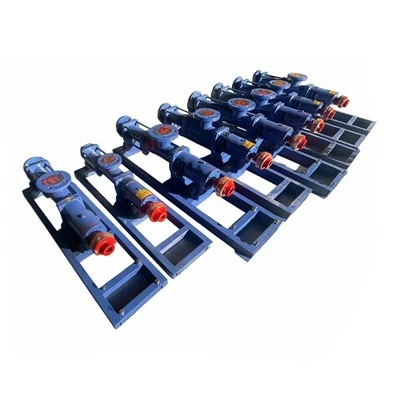
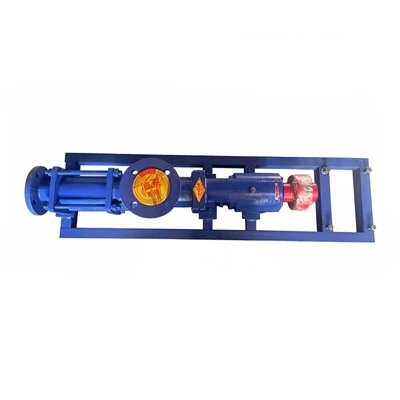
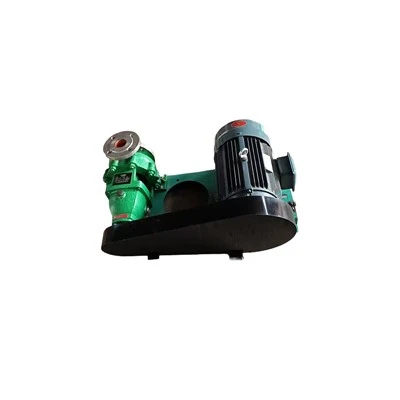
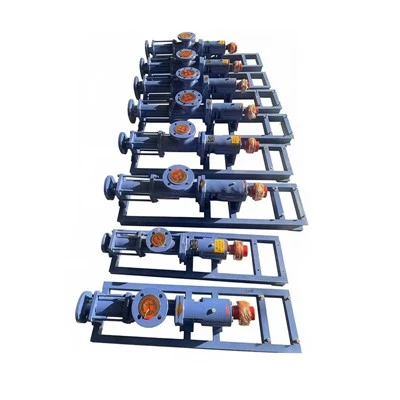
First off, let's understand what makes the Hyghspin Twin Screw Pump so special. It's a real workhorse in various industries, from oil and gas to food and beverage. This pump is designed to handle different types of fluids, whether they're thin and watery or thick and viscous. Its twin - screw design ensures a smooth, continuous flow with low pulsation, which is super important in many applications. You can learn more about it here Hyghspin Twin Screw Pump.
Now, onto the main topic: the maintenance cycle. The maintenance cycle of a Hyghspin Twin Screw Pump isn't set in stone. It depends on several factors. One of the most significant factors is the operating conditions. For example, if the pump is operating in a harsh environment with a lot of dirt, dust, or corrosive substances, it'll probably need more frequent maintenance. On the other hand, if it's in a clean, stable environment, the maintenance intervals can be a bit longer.
Let's talk about some general guidelines for the maintenance cycle. There are usually three levels of maintenance: daily, weekly, and long - term.
Daily Maintenance
Daily maintenance is all about keeping an eye on the pump's basic functions. You should check the pump's temperature. If it's running too hot, it could be a sign of a problem, like a lack of lubrication or a mechanical issue. You can use a simple infrared thermometer to quickly get the temperature reading. Also, listen to the pump while it's running. Any strange noises, like rattling or grinding, could indicate that something's wrong.
Another important daily check is the fluid level in the pump. Make sure there's enough of the fluid it's supposed to be pumping. If the level drops too low, it can cause the pump to overheat or damage the screws. And don't forget to check for any leaks around the pump. Leaks not only waste the fluid being pumped but can also be a safety hazard.
Weekly Maintenance
Once a week, you should do a more in - depth check. First, check the pressure gauges. The pressure should be within the normal operating range for the pump. If the pressure is too high or too low, it could mean there's a blockage in the system or a problem with the pump itself.
Inspect the seals and gaskets. Over time, these can wear out and start to leak. If you notice any signs of wear, like cracks or discoloration, it's a good idea to replace them. You might also want to check the belt tension if your pump has a belt - driven system. A loose or tight belt can cause the pump to operate inefficiently or even stop working altogether.
Long - Term Maintenance
The long - term maintenance cycle for a Hyghspin Twin Screw Pump usually ranges from 6 months to a couple of years, depending again on the operating conditions. Every 6 months to a year, you should perform a more thorough inspection. This includes disassembling the pump to check the screws for wear. The screws are the heart of the twin - screw pump, and any significant wear can affect its performance.
If you find that the screws are worn beyond the recommended tolerance, it's time to replace them. You should also clean all the internal components thoroughly. Over time, debris and sediment can build up inside the pump, which can cause problems like reduced flow or even damage to the components.
Every couple of years, you might want to consider a major overhaul of the pump. This involves replacing all the critical components, such as the bearings and the seals. A major overhaul can help extend the life of the pump and keep it running at its best.


Now, it's important to note that these are just general guidelines. If your pump is used in a high - stress application, like in the high - pressure situations similar to those in High Pressure Screw Pump usage, you might need to have a shorter maintenance cycle. Conversely, if it's a low - use, low - stress situation, you can probably stretch out the maintenance intervals a bit.
Also, different types of fluids can have an impact on the maintenance cycle. For instance, if you're pumping a corrosive fluid, the pump's components are more likely to wear out faster. In that case, you'll need to be more vigilant with your maintenance. Fluids with high solid content can also cause problems. They can clog the pump and cause excessive wear on the screws and other parts. You might want to look into more frequent cleaning and inspection if you're dealing with such fluids.
There are other types of screw pumps in the market too, like the Stainless Steel Screw Pump, Single Screw Pump, and Micro Screw Pump. Each of these has its own maintenance requirements, but the basic principles of checking for wear, leaks, and proper operation still apply.
In conclusion, understanding the maintenance cycle of your Hyghspin Twin Screw Pump is crucial for its long - term performance and reliability. By following the right maintenance schedule and keeping an eye on the operating conditions, you can ensure that your pump runs smoothly for years to come.
If you're in the market for a Hyghspin Twin Screw Pump or have any questions about maintenance or our products, don't hesitate to reach out. We're here to help you make the best choice for your needs and keep your operations running smoothly.
References
- General knowledge of screw pump technology and maintenance from industry experience.
- Manufacturer's guidelines for Hyghspin Twin Screw Pump maintenance.