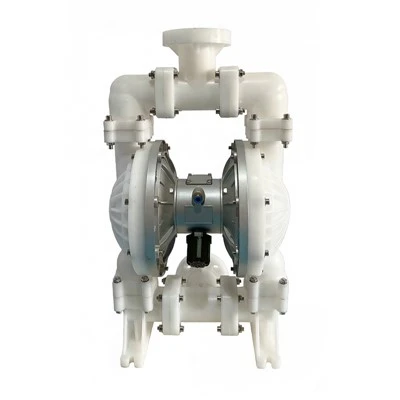
Hey there! As a supplier of Aluminum Diaphragm Pumps, I've seen firsthand how crucial it is to measure the flow rate accurately. Whether you're dealing with a Pneumatic Operated Diaphragm Pump, a High Viscosity Diaphragm Pump, or any other type in our range, getting the flow rate right can make or break your operation. So, let's dive into how you can measure the flow rate of an aluminum diaphragm pump accurately.
Why Accurate Flow Rate Measurement Matters
Before we jump into the how - to, let's quickly talk about why it's so important. Measuring the flow rate accurately helps you ensure that your pump is working at its optimal level. It can prevent issues like over - pumping, which can lead to wear and tear on the pump components, and under - pumping, which might result in incomplete process cycles. In industries like chemical processing or food and beverage manufacturing, accurate flow rate measurement is essential for product quality and safety.
Understanding What Affects Flow Rate
A bunch of factors can affect the flow rate of an aluminum diaphragm pump. The first one is the pump's design and specifications. Different models have different maximum flow rates, and you need to be aware of these limits. For example, a Stainless Steel Air Diaphragm Pump might have a different flow rate capacity compared to an aluminum one due to its construction materials and internal design.
The viscosity of the fluid being pumped also plays a huge role. If you're using a High Viscosity Diaphragm Pump to move thick substances like honey or a heavy lubricant, the flow rate will be lower compared to pumping water. The pressure at which the pump is operating is another factor. Higher pressures can sometimes increase the flow rate, but there are also limits based on the pump's design.
Methods for Measuring Flow Rate
1. Volumetric Method
One of the simplest ways to measure the flow rate is the volumetric method. You'll need a container with known volume markings. Just let the pump run for a specific period of time into the container. Then, measure the volume of fluid collected in the container. To calculate the flow rate, divide the volume of the fluid by the time it took to collect it.
Let's say you collect 10 liters of fluid in 5 minutes. The flow rate would be 10 liters / 5 minutes = 2 liters per minute. This method is great for getting a basic idea of the flow rate, but it has its limitations. It's not very accurate for continuous - flow applications, and it can be time - consuming, especially if you need to take multiple measurements.
2. Flow Meters
Flow meters are a more advanced and accurate way to measure the flow rate. There are several types of flow meters you can use with an aluminum diaphragm pump.


- Mechanical Flow Meters: These meters use moving parts to measure the volume of fluid passing through them. For example, a turbine flow meter has a turbine that spins as the fluid flows, and the speed of the turbine is proportional to the flow rate. They're relatively inexpensive and easy to install, but they can be affected by the fluid's viscosity and the presence of particles.
- Electromagnetic Flow Meters: These work based on Faraday's law of electromagnetic induction. They're great for conductive fluids and can provide very accurate measurements. They don't have any moving parts, so there's less wear and tear. However, they're more expensive than mechanical flow meters.
- Ultrasonic Flow Meters: These use ultrasonic waves to measure the flow rate. They can be either clamp - on or inline types. Clamp - on ultrasonic flow meters are non - intrusive, which means you don't have to cut the pipe to install them. They're suitable for a wide range of pipe sizes and fluid types, making them a versatile option.
Calibration is Key
No matter which method or flow meter you use, calibration is super important. Over time, the accuracy of your measurement tools can drift. Maybe the flow meter gets a little bit off due to wear, or your volumetric container starts to have inaccurate markings. That's why it's a good idea to calibrate your measuring equipment regularly. You can use a reference measurement device or send your flow meter to a calibration lab.
Tips for Accurate Measurement
- Steady Flow Conditions: Try to measure the flow rate under steady - state conditions. This means the pump has been running for a while, and the system has reached a stable operating point. Measuring during start - up or shut - down phases can give inaccurate results.
- Proper Installation: If you're using a flow meter, make sure it's installed correctly. Incorrect installation can lead to errors in measurement. Follow the manufacturer's instructions carefully.
- Sample Multiple Times: To get a more accurate measurement, take multiple samples over a period of time. Then, calculate the average of these measurements. This can help reduce the impact of any temporary fluctuations in the flow rate.
Specific Considerations for Different Diaphragm Pump Types
Different types of diaphragm pumps, like the Chemical Resistant Diaphragm Pump or the Aro Electric Diaphragm Pump, might have specific requirements when it comes to flow rate measurement.
For chemical - resistant pumps, you need to make sure that the flow meter you choose is compatible with the chemicals being pumped. Some chemicals can corrode the components of the flow meter, leading to inaccurate measurements or even damage to the meter.
Electric diaphragm pumps might have different power consumption patterns related to their flow rate. You can sometimes monitor the power input to the pump to get an idea of how it's performing. If the power consumption suddenly changes while the flow rate is supposed to be constant, it could indicate a problem with the pump.
Conclusion
Accurately measuring the flow rate of an aluminum diaphragm pump is essential for ensuring the pump's proper operation and the success of your overall process. Whether you choose the simple volumetric method or invest in a more advanced flow meter, proper measurement and regular calibration are key.
We're here to help you with all your Aluminum Diaphragm Pump needs. If you have any questions about measuring flow rates, choosing the right pump for your application, or anything else, feel free to reach out. We can assist you in finding the best solutions for your specific requirements. Let's work together to make your pumping operations as efficient and reliable as possible.
References
- "Pump Handbook" by Igor J. Karassik et al.
- Manufacturer's manuals for various diaphragm pumps and flow meters.