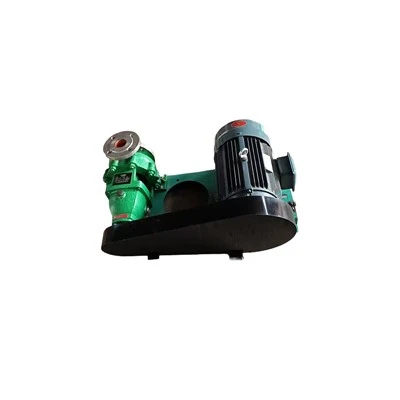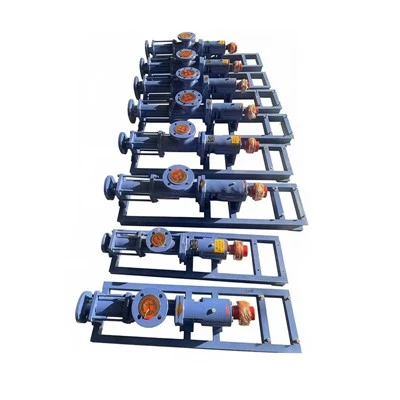
As a supplier of sanitary gear pumps, I often get asked a bunch of questions from customers. One question that pops up quite a bit is, "Can a sanitary gear pump be used for gas - liquid mixtures?" Well, let's dig into this topic and find out.
First off, let's understand what a sanitary gear pump is. These pumps are designed mainly for applications where hygiene is super important, like in the food, beverage, and pharmaceutical industries. They're built with materials that are easy to clean and don't contaminate the substances they're pumping. The basic working principle of a gear pump involves two gears meshing together. As the gears rotate, they create a suction at the inlet and push the fluid out at the outlet.
Now, when it comes to gas - liquid mixtures, things get a bit tricky. Gas and liquid have very different properties. Liquids are relatively incompressible, while gases are highly compressible. A regular sanitary gear pump is optimized for pumping liquids. When a gas - liquid mixture enters the pump, the presence of gas can cause some problems.
One major issue is cavitation. Cavitation happens when the pressure in the pump drops below the vapor pressure of the liquid, causing the liquid to form vapor bubbles. These bubbles then collapse when they reach a high - pressure area, which can damage the pump components over time. In a gas - liquid mixture, the gas can make the pressure fluctuations even more severe, increasing the risk of cavitation.
Another problem is the efficiency of the pump. The gears in a gear pump are designed to move a certain volume of fluid with each rotation. When there's gas in the mixture, the pump may not be able to move the same amount of liquid effectively. The gas takes up space that could otherwise be filled with liquid, reducing the overall flow rate and the pump's efficiency.
However, it's not all bad news. There are situations where a sanitary gear pump can handle gas - liquid mixtures to some extent. If the gas content in the mixture is relatively low, say less than 10%, the pump might still work okay. In these cases, the pump can tolerate a small amount of gas without significant performance degradation.
Some modifications can also be made to the pump to improve its ability to handle gas - liquid mixtures. For example, special impellers or gears can be designed to better manage the gas. Also, using a gas - liquid separator before the pump can help remove a large portion of the gas, allowing the pump to work more efficiently with the remaining liquid.
Let's talk about different types of gear pumps that we offer as a supplier. We have a Cast Iron Gear Pump. Cast iron is a durable material, and this pump is suitable for a wide range of applications. It can handle some degree of gas - liquid mixtures, but like any pump, its performance will be affected by the gas content.
Our Bronze Gear Pump is another option. Bronze is corrosion - resistant, making it a great choice for applications where the fluid might be a bit aggressive. When dealing with gas - liquid mixtures, the bronze construction can help protect the pump from damage caused by the cavitation and the fluid itself.
If you need a smaller pump, we have a Mini Gear Pump. This pump is compact and can be used in applications where space is limited. It can also handle gas - liquid mixtures, but due to its smaller size, it may have more limitations in terms of flow rate and gas tolerance.
For those who prefer an electric - powered pump, we offer an Electric Gear Pump. Electric pumps are easy to control and can be used in various settings. They can also be adapted to handle gas - liquid mixtures, but again, the gas content needs to be carefully considered.
And if you're in the paint industry, our Paint Transfer Gear Pump is a great option. Paint often contains some amount of air, which means it's a type of gas - liquid mixture. This pump is designed to handle the unique properties of paint and can manage the gas - liquid situation relatively well.
So, can a sanitary gear pump be used for gas - liquid mixtures? The answer is yes, but with some limitations. It depends on the gas content in the mixture, the design of the pump, and whether any modifications are made. If you're considering using a sanitary gear pump for a gas - liquid mixture, it's important to do a detailed analysis of your specific application.
If you're interested in our sanitary gear pumps or any of the other types I mentioned, we're here to help. We can provide more information about how our pumps can handle gas - liquid mixtures and work with you to find the best solution for your needs. Whether you're in the food industry, pharmaceutical industry, or any other field that requires a reliable pump, we're ready to have a chat and discuss your requirements.
References:


- "Pump Handbook" by Igor J. Karassik et al.
- "Fluid Mechanics" by Frank M. White.