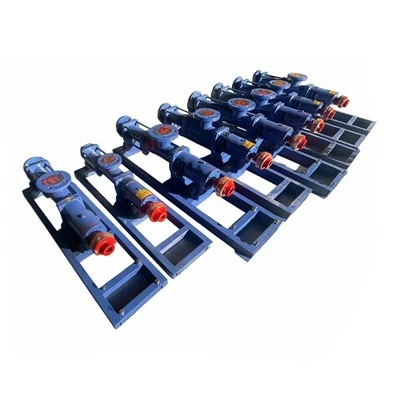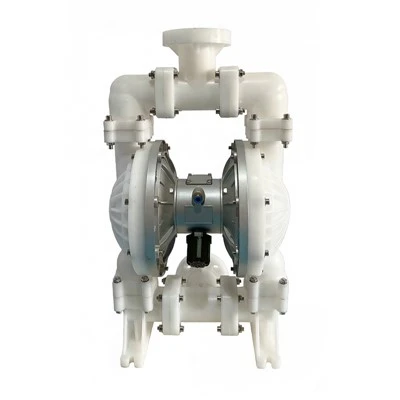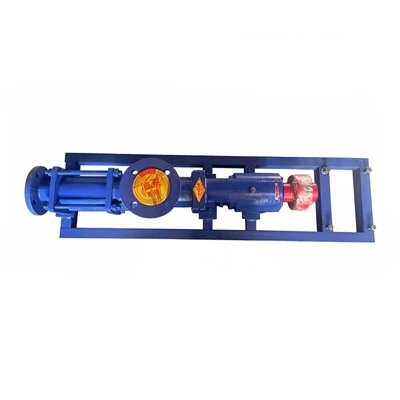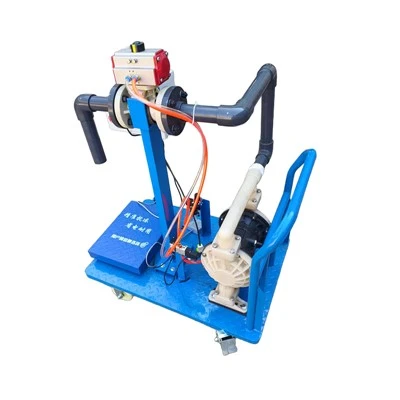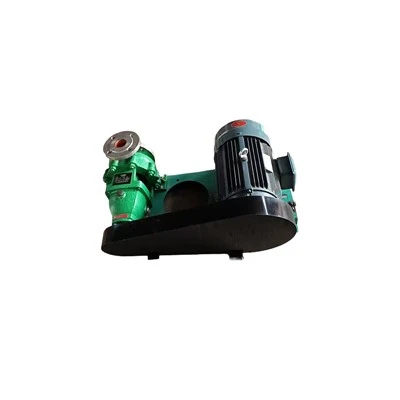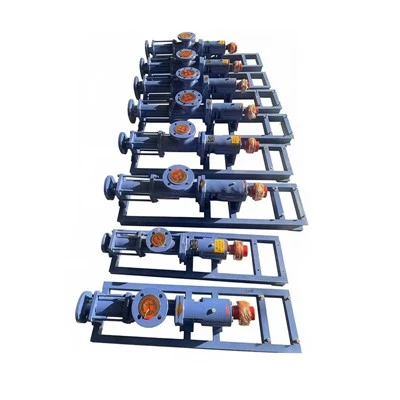
A high-quality twin screw pump is a vital component in many industrial applications, offering efficient and reliable fluid transfer. As a supplier of Hyghspin Twin Screw Pumps, I understand the importance of proper storage to maintain the pump's performance and longevity. In this blog post, I'll delve into the storage requirements for Hyghspin Twin Screw Pumps, ensuring that you can keep your equipment in optimal condition when it's not in use.
Understanding the Basics of Hyghspin Twin Screw Pumps
Before we discuss storage requirements, it's essential to understand the basic structure and function of Hyghspin Twin Screw Pumps. These pumps are positive displacement pumps that use two intermeshing screws to move fluid through the pump chamber. The screws rotate in opposite directions, creating a series of sealed cavities that move the fluid from the inlet to the outlet. This design provides a smooth, pulsation-free flow, making them suitable for a wide range of applications, including oil and gas, chemical processing, and food and beverage industries.


General Storage Environment
The first consideration for storing Hyghspin Twin Screw Pumps is the environment. The storage area should be clean, dry, and well - ventilated. Moisture is one of the biggest enemies of pump components, as it can lead to rust and corrosion. A relative humidity level below 60% is ideal. If the storage area is prone to high humidity, consider using dehumidifiers or moisture - absorbing materials such as silica gel packets.
The temperature of the storage area also plays a crucial role. Extreme temperatures can cause the pump's materials to expand or contract, potentially leading to misalignment or damage. The recommended storage temperature range is between 5°C and 35°C. If the pump is stored in an area where the temperature can drop below freezing, special precautions must be taken to prevent damage from ice formation.
Protection from Dust and Debris
Dust and debris can accumulate in the pump's internal components, causing wear and tear over time. To protect the pump from dust, it should be covered with a suitable protective cover. This cover should be made of a durable, non - abrasive material that can prevent dust from entering the pump. Additionally, the storage area should be kept clean, and any potential sources of dust, such as construction work or open windows, should be minimized.
Lubrication and Preservation
Proper lubrication is essential for the smooth operation of Hyghspin Twin Screw Pumps. Before storage, the pump should be filled with a suitable lubricant. This lubricant not only reduces friction between the moving parts but also provides a protective layer against corrosion. The type of lubricant used should be compatible with the pump's materials and the fluids it is designed to handle.
For long - term storage, it may also be necessary to use a preservative coating on the pump's exterior. This coating can protect the pump from environmental factors such as moisture and oxidation. The preservative should be applied according to the manufacturer's instructions, and care should be taken to ensure that all surfaces are adequately covered.
Storage Position
The position in which the pump is stored can also affect its condition. The Hyghspin Twin Screw Pump should be stored in a horizontal position whenever possible. This helps to prevent the accumulation of fluids in one area of the pump, which could lead to corrosion or damage. If the pump must be stored vertically, special attention should be paid to ensuring that all drain holes are clear and that any trapped fluids can drain out.
Inspection and Maintenance During Storage
Regular inspection is crucial during the storage period. The pump should be inspected at least once every three months to check for any signs of damage, corrosion, or leakage. If any issues are detected, they should be addressed immediately to prevent further damage.
During the inspection, the lubricant level should also be checked. If the lubricant level has dropped, it should be topped up to the recommended level. Additionally, the pump's seals and gaskets should be inspected for signs of wear or damage, and replaced if necessary.
Comparison with Other Types of Screw Pumps
It's worth noting how the storage requirements of Hyghspin Twin Screw Pumps compare with other types of screw pumps. For example, Industrial Screw Pumps may have different storage needs depending on their specific design and application. Similarly, Triple Screw Pump, Single Screw Pump, High Pressure Screw Pump, and Stainless Steel Screw Pump each have their own unique characteristics that can influence their storage conditions.
Importance of Following Storage Requirements
Adhering to the storage requirements for Hyghspin Twin Screw Pumps is not just about maintaining the pump's physical condition. It also has a significant impact on its performance and reliability when it is put back into service. A pump that has been properly stored is less likely to experience breakdowns or malfunctions, which can result in costly downtime and repairs. Moreover, proper storage can extend the pump's lifespan, providing a better return on investment for your business.
Conclusion and Call to Action
In conclusion, the storage requirements for Hyghspin Twin Screw Pumps are multi - faceted, involving considerations such as the storage environment, protection from dust and debris, lubrication, storage position, and regular inspection. By following these guidelines, you can ensure that your pump remains in optimal condition and is ready for operation when needed.
If you're in the market for a high - quality Hyghspin Twin Screw Pump or have any questions about their storage or operation, feel free to reach out to discuss your specific needs. Our team of experts is here to assist you in making the right choice for your application and to provide any support you may require during the storage and use of your pump.
References
- Manufacturer's manual for Hyghspin Twin Screw Pumps
- Industry standards for screw pump storage and maintenance