Hey there! As a screw pump supplier, I often get asked about how to increase the suction capacity of a screw pump. It's a crucial topic, especially for those in industries where efficient fluid transfer is a must. So, let's dive right in and explore some practical ways to boost that suction power.
Understanding the Basics of Screw Pumps
First off, it's important to have a clear idea of how screw pumps work. Screw pumps are positive displacement pumps that use one or more screws to move fluid along the screw axis. They're known for their smooth, pulsation - free flow, which makes them great for handling a wide range of fluids, from thin liquids to highly viscous ones.
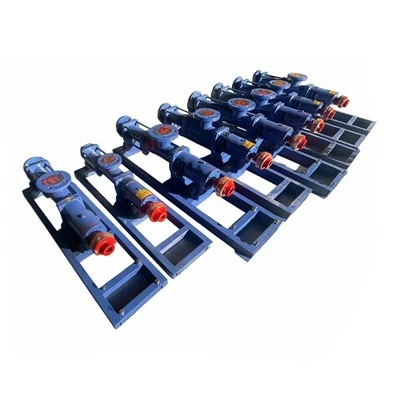
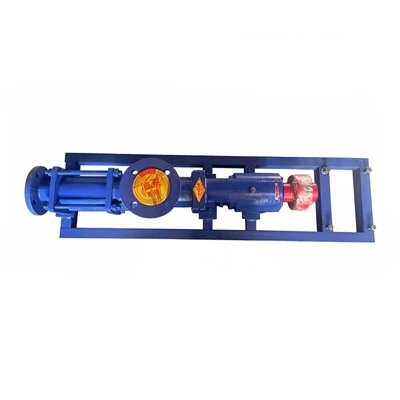
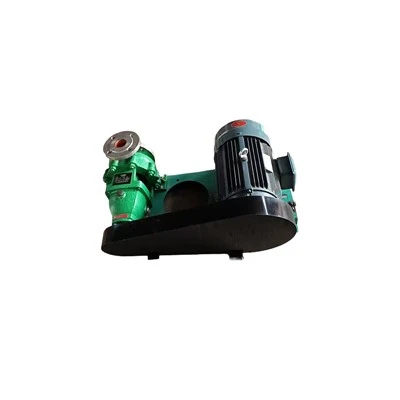
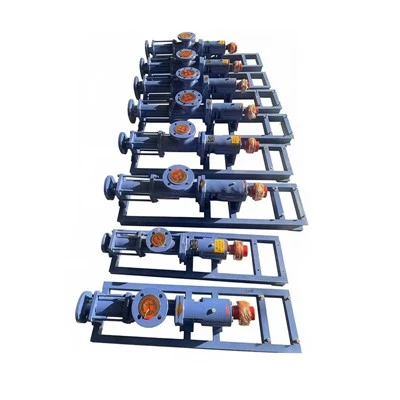
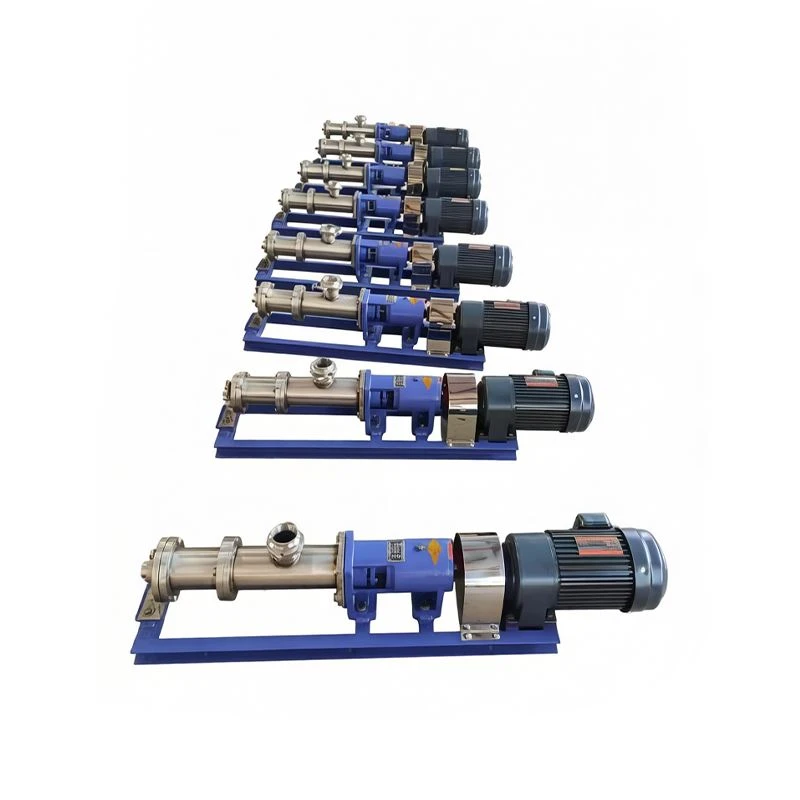
There are different types of screw pumps, like the Micro Screw Pump, Triple Screw Pump, Stainless Steel Screw Pump, Hyghspin Twin Screw Pump, and Industrial Screw Pumps. Each type has its own unique features and applications, but the principle of suction remains similar across the board.
Factors Affecting Suction Capacity
Before we talk about how to increase suction capacity, let's understand the factors that can affect it.
- Fluid Viscosity: Highly viscous fluids are more difficult to suck in compared to thin ones. As the viscosity increases, the resistance to flow also goes up, which can reduce the suction capacity of the pump.
- Inlet Conditions: The design and condition of the inlet are crucial. A clogged or restricted inlet can significantly limit the amount of fluid that the pump can suck in. Also, the height of the fluid source above the pump (net positive suction head or NPSH) plays a big role. If the NPSH is too low, the pump may experience cavitation, which is bad news for suction capacity and pump longevity.
- Pump Design and Wear: The design of the screw pump, including the number of screws, their pitch, and the clearances between the screws and the pump housing, can impact suction. Over time, wear and tear on the screws and other components can also reduce the pump's ability to create a strong suction.
Ways to Increase Suction Capacity
Optimize the Inlet Design
The inlet is the gateway for fluid to enter the pump. Make sure it's as smooth and unobstructed as possible. A well - designed inlet should have a large enough diameter to allow for easy flow of the fluid. You can also use inlet filters to prevent debris from entering the pump, but make sure they're not too fine - meshed, as this can create a pressure drop and reduce suction.

If the fluid source is below the pump, consider using a flooded suction system. This means that the fluid level is above the pump inlet, which helps to create a positive pressure at the inlet and improves suction.
Adjust the Pump Speed
Increasing the pump speed can sometimes increase the suction capacity. However, this needs to be done carefully. If the speed is too high, it can cause cavitation, which can damage the pump and reduce its efficiency. You need to find the sweet spot where the pump can operate at a speed that maximizes suction without causing cavitation.
Improve the Fluid Properties
If possible, try to reduce the viscosity of the fluid. This can be done by heating the fluid. For example, in some industrial applications where thick oils are being pumped, heating the oil can make it flow more easily and improve the pump's suction capacity.
Another option is to use additives that can reduce the viscosity of the fluid. However, you need to make sure that these additives are compatible with the pump materials and the fluid being pumped.
Maintain the Pump Regularly
Regular maintenance is key to keeping the pump in good working condition. Check the screws for wear and tear. If the screws are worn, they may not be able to create a proper seal, which can reduce the suction capacity. Replace any worn parts as soon as possible.
Also, make sure to lubricate the pump properly. Good lubrication helps to reduce friction between the moving parts and ensures smooth operation, which in turn can improve suction.
Upgrade the Pump
If all else fails, you may need to consider upgrading to a pump with a higher suction capacity. Our company offers a wide range of screw pumps, including the Micro Screw Pump, Triple Screw Pump, Stainless Steel Screw Pump, Hyghspin Twin Screw Pump, and Industrial Screw Pumps. These pumps are designed to handle different types of fluids and have varying suction capacities.
Real - World Examples
Let's take a look at a real - world example. A food processing plant was having trouble with the suction capacity of their screw pump when pumping a thick sauce. The sauce was highly viscous, and the pump was struggling to draw it in. By heating the sauce to reduce its viscosity and upgrading to a Triple Screw Pump with a higher suction capacity, they were able to solve the problem and improve their production efficiency.
Conclusion
Increasing the suction capacity of a screw pump is all about understanding the factors that affect it and taking the right steps to optimize the pump's performance. Whether it's adjusting the inlet design, changing the pump speed, improving the fluid properties, or upgrading the pump, there are several options available.
If you're facing issues with the suction capacity of your screw pump or are looking to upgrade to a more efficient pump, don't hesitate to get in touch. We're here to help you find the best solution for your specific needs.
References
- "Positive Displacement Pumps: Principles and Applications" by John Smith
- "Fluid Mechanics for Pump Operators" by Jane Doe