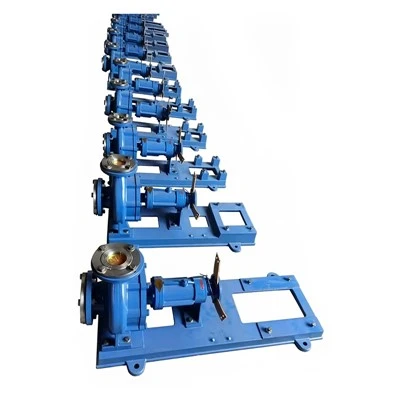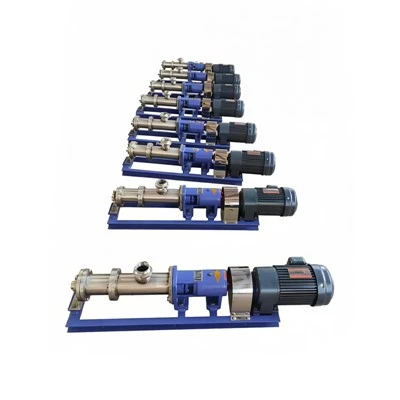
Cavitation is a phenomenon that can significantly affect the performance and longevity of high flow gear pumps. As a prominent supplier of High Flow Gear Pump, understanding this phenomenon is crucial for us to provide the best products and solutions to our customers.
Understanding Cavitation in High Flow Gear Pumps
In a high flow gear pump, the basic principle involves the meshing of gears to transfer fluid from the inlet to the outlet. When the pump is operating, the pressure in the inlet side of the pump is lower than the pressure at the outlet. Cavitation occurs when the pressure in the fluid drops below its vapor pressure. This causes the formation of vapor bubbles in the fluid.
The process of cavitation can be divided into three main stages: bubble formation, bubble growth, and bubble collapse. When the pressure in the fluid drops below the vapor pressure, tiny vapor bubbles start to form. These bubbles then grow in size as they move through the pump. Finally, when the bubbles reach a region of higher pressure, they collapse suddenly.
Causes of Cavitation in High Flow Gear Pumps
There are several factors that can contribute to cavitation in high flow gear pumps. One of the primary causes is a high fluid velocity. In a high flow gear pump, the fluid is moving at a relatively high speed. When the fluid velocity is too high, the pressure in the fluid can drop rapidly, leading to the formation of vapor bubbles.
Another cause of cavitation is a blockage in the inlet or outlet of the pump. If there is a restriction in the flow path, the pressure in the fluid can drop, causing cavitation. This can be due to a clogged filter, a damaged valve, or a misaligned pipe.
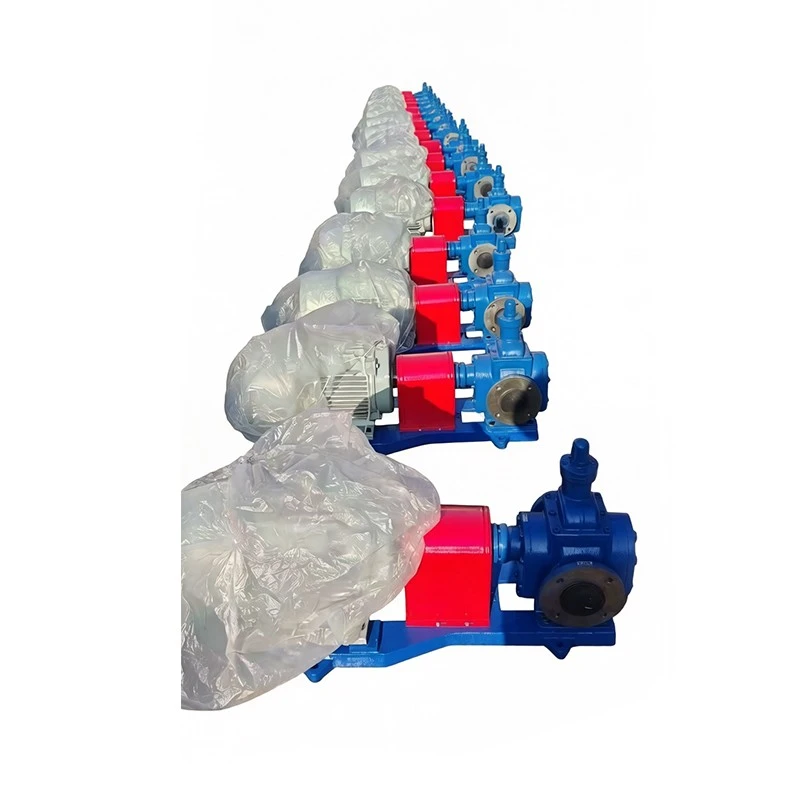
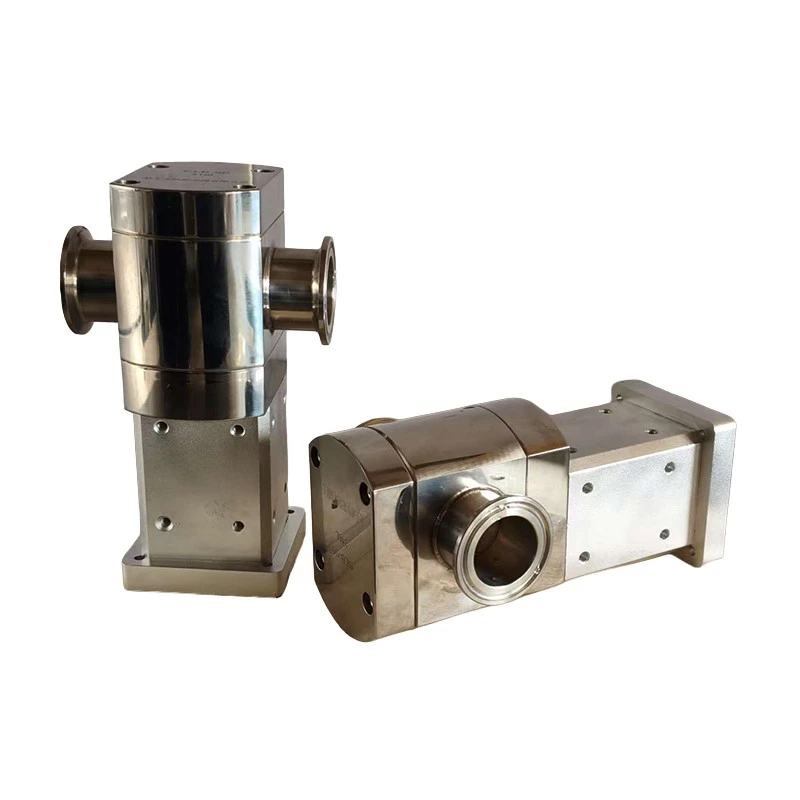
The properties of the fluid being pumped also play a role in cavitation. Fluids with a high vapor pressure are more likely to experience cavitation. For example, volatile fluids such as gasoline or alcohol are more prone to cavitation than non - volatile fluids like water.
Effects of Cavitation on High Flow Gear Pumps
Cavitation can have several negative effects on high flow gear pumps. One of the most significant effects is damage to the pump components. When the vapor bubbles collapse, they generate a high - energy shock wave. This shock wave can cause pitting and erosion on the surfaces of the gears, bearings, and other internal components of the pump. Over time, this can lead to reduced pump efficiency, increased wear and tear, and ultimately, pump failure.
Cavitation can also cause noise and vibration in the pump. The sudden collapse of the vapor bubbles creates a loud popping sound, which can be a sign of cavitation. The vibration caused by the collapsing bubbles can also lead to additional stress on the pump and its mounting, potentially causing further damage.
In addition, cavitation can reduce the flow rate and pressure of the pump. As the vapor bubbles form and collapse, they disrupt the smooth flow of the fluid, reducing the overall efficiency of the pump. This can result in a decrease in the output of the pump, which may not meet the requirements of the system.
Preventing Cavitation in High Flow Gear Pumps
As a supplier of high flow gear pumps, we recommend several strategies to prevent cavitation. First, it is important to ensure that the pump is properly sized for the application. A pump that is too small for the required flow rate may operate at a high fluid velocity, increasing the risk of cavitation. On the other hand, a pump that is too large may not operate at its optimal efficiency.
Maintaining a proper inlet pressure is also crucial. The inlet pressure should be high enough to prevent the fluid pressure from dropping below its vapor pressure. This can be achieved by using a pressure - boosting device, such as a booster pump or a pressure regulator.
Regular maintenance of the pump is essential to prevent cavitation. This includes checking and cleaning the filters, inspecting the valves and pipes for blockages, and ensuring that the pump is properly aligned. By keeping the pump in good condition, the risk of cavitation can be significantly reduced.
Our High Flow Gear Pump Solutions
At our company, we offer a range of high flow gear pumps that are designed to minimize the risk of cavitation. Our pumps are engineered with advanced technology to ensure smooth and efficient operation. We use high - quality materials for the gears and other components, which are resistant to the damage caused by cavitation.
In addition to our High Flow Gear Pump, we also provide other types of gear pumps, such as High Precision Gear Pump, Sanitary Gear Pump, Paint Transfer Gear Pump, and Lubricating Oil Gear Pump. Each of these pumps is designed to meet the specific needs of different applications.
Contact Us for Your Gear Pump Needs
If you are looking for a reliable high flow gear pump or any other type of gear pump, we are here to help. Our team of experts can provide you with detailed information about our products, assist you in selecting the right pump for your application, and offer support throughout the installation and operation process.
Whether you are dealing with a cavitation problem or simply need a new pump, we encourage you to contact us for a consultation. We are committed to providing the best products and services to our customers, and we look forward to working with you to meet your gear pump requirements.
References
- Pump Handbook, 4th Edition, by Igor J. Karassik, Joseph P. Messina, Paul Cooper, and Charles C. Heald
- Fluid Mechanics, by Frank M. White
- Gear Pump Technology, by various industry experts in pump manufacturing