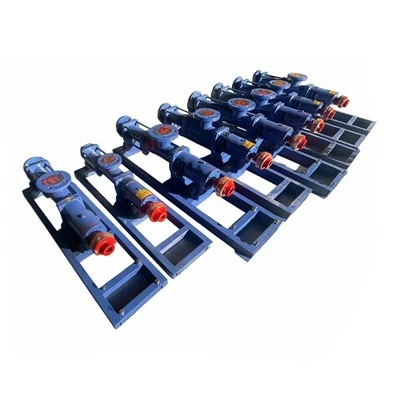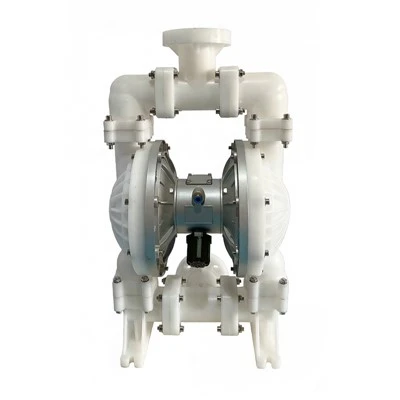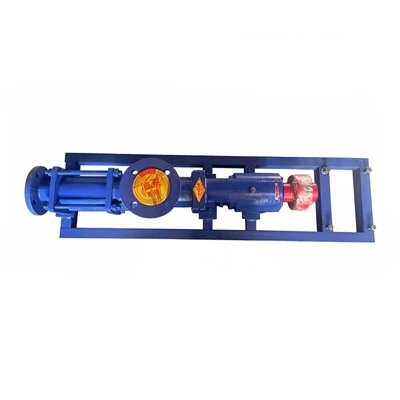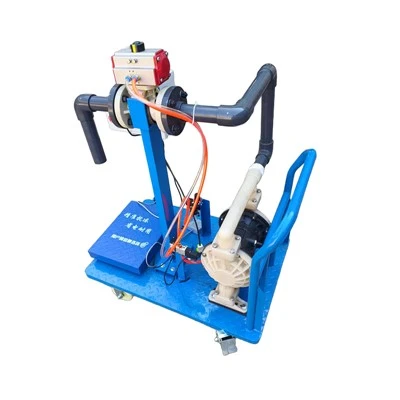
As a supplier of Micro Screw Pumps, I often encounter inquiries about the pulsation rate of these pumps. Understanding the pulsation rate is crucial for many applications, as it can significantly impact the performance and efficiency of the pumping system. In this blog post, I will delve into what the pulsation rate of a Micro Screw Pump is, why it matters, and how it can be optimized.
What is Pulsation Rate?
Pulsation rate refers to the variation in flow rate or pressure that occurs during the operation of a pump. In the context of a Micro Screw Pump, it is the measure of how much the flow or pressure fluctuates as the pump moves fluid. These fluctuations can be periodic, occurring at regular intervals, or they can be irregular, depending on the design and operating conditions of the pump.
The pulsation rate is typically expressed as a percentage or in terms of amplitude. A low pulsation rate indicates a more stable flow, while a high pulsation rate means there are significant variations in the flow or pressure. For example, if a pump has a pulsation rate of 5%, it means that the flow rate or pressure varies by up to 5% from the average value during operation.
Why Does Pulsation Rate Matter?
The pulsation rate of a Micro Screw Pump is important for several reasons. Firstly, in applications where a constant and stable flow is required, such as in precision chemical dosing or in the food and beverage industry, a high pulsation rate can lead to inaccurate dosing or inconsistent product quality. For instance, in a pharmaceutical manufacturing process, a precise and stable flow of ingredients is essential to ensure the efficacy and safety of the final product. A high pulsation rate could result in incorrect dosages, leading to potential health risks.
Secondly, pulsations can cause mechanical stress on the pump and the piping system. The repeated variations in pressure can lead to vibrations, which over time can damage the pump components, such as the screws, bearings, and seals. This can increase maintenance costs and reduce the lifespan of the pump. Additionally, the vibrations can also be transmitted to the surrounding equipment and structures, causing noise and potential interference with other processes.
Thirdly, a high pulsation rate can affect the measurement and control of the fluid flow. Flow meters and pressure sensors are designed to measure the average flow or pressure, and significant pulsations can introduce errors in these measurements. This can make it difficult to accurately monitor and control the pumping process, leading to inefficiencies and potential process failures.
Factors Affecting the Pulsation Rate of a Micro Screw Pump
Several factors can influence the pulsation rate of a Micro Screw Pump. One of the most significant factors is the design of the pump. The number of screws, the pitch of the screws, and the shape of the screw profiles all play a role in determining the pulsation rate. For example, a Triple Screw Pump generally has a lower pulsation rate compared to a single-screw pump because the multiple screws work together to provide a more continuous flow.
The operating speed of the pump also affects the pulsation rate. Higher speeds can increase the pulsation rate, as the screws move more rapidly, causing more significant variations in the flow. Therefore, it is important to operate the pump at an appropriate speed to minimize pulsations.
The viscosity of the fluid being pumped is another important factor. Higher viscosity fluids tend to have a lower pulsation rate because they are more resistant to flow changes. Conversely, low viscosity fluids can result in higher pulsations, as they can more easily be accelerated and decelerated by the movement of the screws.
Measuring the Pulsation Rate
There are several methods for measuring the pulsation rate of a Micro Screw Pump. One common method is to use a pressure sensor or a flow meter to measure the variations in pressure or flow over time. The data collected can then be analyzed to calculate the pulsation rate. Another method is to use a vibration sensor to detect the vibrations caused by the pulsations. By analyzing the frequency and amplitude of the vibrations, the pulsation rate can be estimated.
Optimizing the Pulsation Rate
To optimize the pulsation rate of a Micro Screw Pump, several strategies can be employed. Firstly, selecting the right pump design is crucial. As mentioned earlier, a Triple Screw Pump or a Hyghspin Twin Screw Pump generally has a lower pulsation rate compared to a single-screw pump. Additionally, pumps with more complex screw profiles and larger numbers of screws can provide a more continuous flow, reducing pulsations.

Secondly, operating the pump at an appropriate speed is important. By adjusting the speed of the pump, the pulsation rate can be minimized. It is also important to ensure that the pump is properly sized for the application, as an undersized or oversized pump can lead to higher pulsations.
Thirdly, using a pulsation dampener can be an effective way to reduce the pulsation rate. A pulsation dampener is a device that absorbs the energy of the pulsations, smoothing out the flow and reducing the variations in pressure. There are different types of pulsation dampeners available, such as air chambers, rubber bladders, and electronic dampeners.
Conclusion
In conclusion, the pulsation rate of a Micro Screw Pump is an important parameter that can significantly impact the performance and efficiency of the pumping system. Understanding what the pulsation rate is, why it matters, and how it can be optimized is crucial for ensuring the proper operation of the pump and the success of the application.
As a supplier of Micro Screw Pumps, we offer a wide range of pumps with different designs and specifications to meet the diverse needs of our customers. Our Stainless Steel Screw Pump is made of high-quality stainless steel, which is corrosion-resistant and suitable for a variety of applications. Our Triple Screw Pump and Hyghspin Twin Screw Pump are designed to provide a low pulsation rate and a stable flow.
If you are interested in learning more about our Micro Screw Pumps or have any questions about the pulsation rate, please feel free to contact us. We are happy to provide you with detailed information and technical support. Our team of experts is ready to help you select the right pump for your application and optimize its performance.
References
- Karassik, I. J., Messina, J. P., Cooper, P. W., & Heald, C. C. (2008). Pump handbook. McGraw-Hill.
- Stepanoff, A. J. (1957). Centrifugal and axial flow pumps: Theory, design, and application. Wiley.