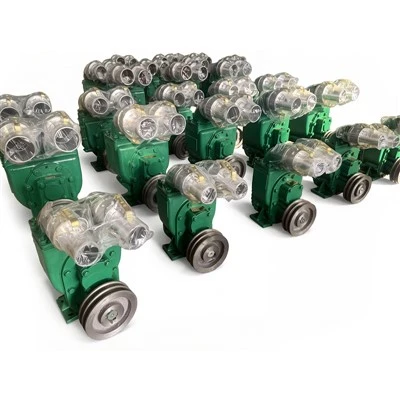
What is the Pressure Rating of a Stainless Steel Gear Pump?
As a supplier of stainless steel gear pumps, I've encountered numerous inquiries regarding the pressure rating of these pumps. Understanding the pressure rating is crucial for ensuring the proper selection and operation of a stainless steel gear pump in various applications. In this blog post, I'll delve into the concept of pressure rating, factors influencing it, and its significance in the performance of stainless steel gear pumps.
Understanding Pressure Rating
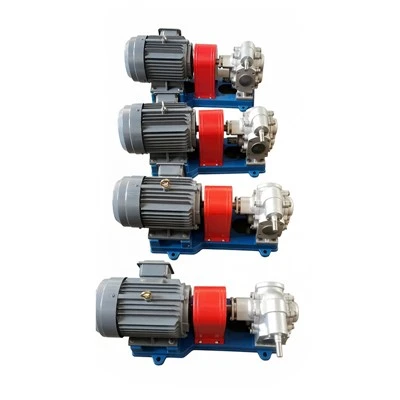
The pressure rating of a stainless steel gear pump refers to the maximum pressure that the pump can safely and efficiently handle during operation. It is typically measured in pounds per square inch (psi) or bar. This rating is determined by various factors, including the design, materials, and manufacturing quality of the pump.
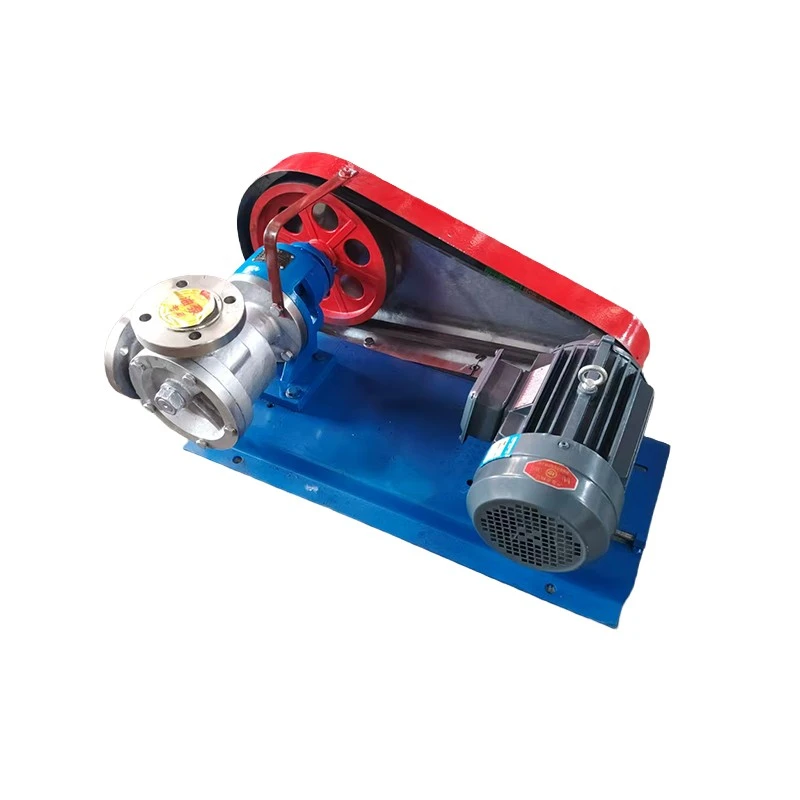
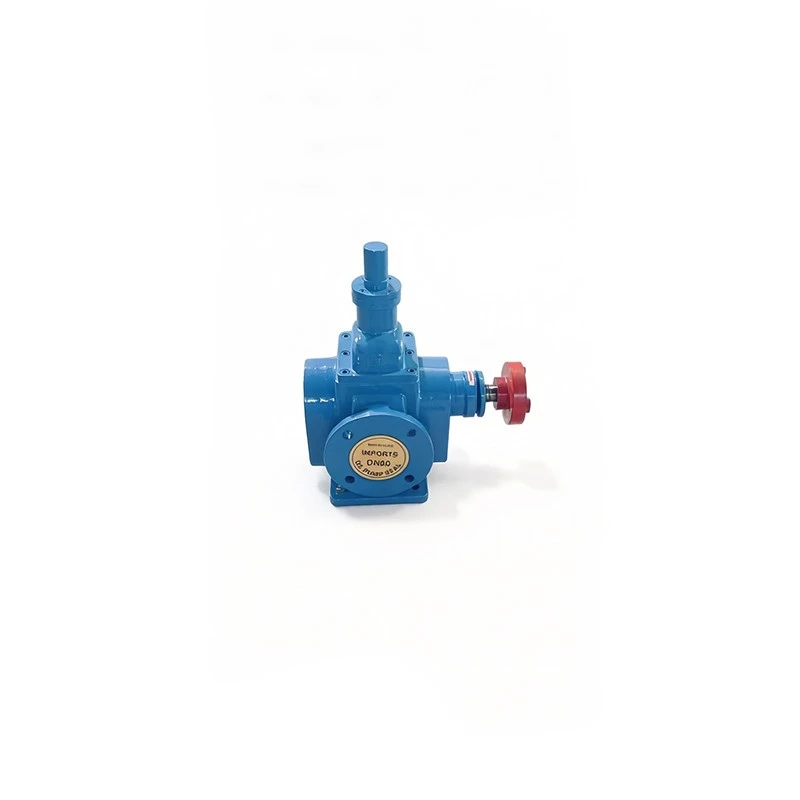
When a gear pump operates, it creates pressure by trapping fluid between the teeth of the gears and transporting it from the suction side to the discharge side. The pressure generated depends on the resistance encountered by the fluid in the system, such as the viscosity of the fluid, the length and diameter of the piping, and the presence of valves or other restrictions.
The pressure rating of a gear pump is an important specification because operating the pump beyond its rated pressure can lead to several issues, including leaks, premature wear of the pump components, and even pump failure. Therefore, it is essential to select a gear pump with a pressure rating that is suitable for the specific application requirements.
Factors Influencing Pressure Rating
Several factors can influence the pressure rating of a stainless steel gear pump. These include:
-
Gear Design: The design of the gears plays a significant role in determining the pressure rating of the pump. High-precision gears with proper tooth profiles and clearances can handle higher pressures more effectively. Additionally, the number of teeth on the gears can also affect the pressure output.
-
Material Selection: The materials used in the construction of the pump, particularly the gears and the housing, can impact the pressure rating. Stainless steel is a popular choice for gear pumps due to its corrosion resistance and durability. However, the grade of stainless steel and its mechanical properties can vary, which can affect the pump's ability to withstand high pressures.
-
Sealing and Bearings: The quality of the seals and bearings in the pump is crucial for maintaining the pressure rating. Over time, seals can wear out, leading to leaks and a decrease in pressure. Similarly, worn bearings can cause increased friction and reduced efficiency, which can also affect the pump's performance under high pressure.
-
Operating Conditions: The operating conditions, such as the temperature and viscosity of the fluid being pumped, can also influence the pressure rating. High temperatures can cause the fluid to become less viscous, which can increase the pressure generated by the pump. Conversely, low temperatures can make the fluid more viscous, requiring the pump to work harder to maintain the desired flow rate.
Significance of Pressure Rating in Applications
The pressure rating of a stainless steel gear pump is of utmost importance in various applications. Here are some examples:
-
Industrial Processes: In industrial applications, such as chemical processing, food and beverage production, and oil and gas refining, gear pumps are used to transfer fluids at high pressures. Selecting a pump with the appropriate pressure rating ensures that the pump can meet the process requirements and operate safely and efficiently.
-
Hydraulic Systems: Gear pumps are commonly used in hydraulic systems to provide the necessary pressure to operate hydraulic cylinders and other components. The pressure rating of the pump must be compatible with the hydraulic system's design to ensure proper operation and prevent damage to the system.
-
Lubrication Systems: In lubrication systems, gear pumps are used to circulate lubricating oil to various components of the machinery. The pressure rating of the pump is critical to ensure that the oil is delivered to the components at the right pressure and flow rate, preventing premature wear and damage.
Types of Stainless Steel Gear Pumps and Their Pressure Ratings
There are different types of stainless steel gear pumps available, each with its own pressure rating and application suitability. Here are some common types:
-
Sanitary Gear Pump: Sanitary Gear Pump are designed for use in applications where hygiene is a top priority, such as food and beverage processing, pharmaceutical manufacturing, and cosmetics production. These pumps typically have a lower pressure rating compared to industrial gear pumps, as they are designed to handle relatively low-viscosity fluids.
-
High Viscosity Gear Pump: High Viscosity Gear Pump are specifically designed to handle fluids with high viscosity, such as resins, adhesives, and heavy oils. These pumps have a higher pressure rating to overcome the resistance of the thick fluid and ensure a consistent flow rate.
-
Lubricating Oil Gear Pump: Lubricating Oil Gear Pump are used to circulate lubricating oil in machinery and equipment. They typically have a moderate pressure rating to ensure that the oil is delivered to the components at the right pressure and flow rate.
Selecting the Right Pressure Rating
When selecting a stainless steel gear pump, it is essential to consider the specific application requirements and choose a pump with the appropriate pressure rating. Here are some steps to help you make the right selection:
-
Determine the System Pressure: Calculate the maximum pressure that the pump will need to generate in the system. This includes considering the resistance of the piping, valves, and other components, as well as the viscosity of the fluid being pumped.
-
Consider Safety Factors: It is advisable to select a pump with a pressure rating that is higher than the calculated system pressure to account for any unexpected variations or fluctuations in the system. A safety factor of at least 10-20% is recommended.
-
Consult with an Expert: If you are unsure about the pressure rating requirements for your application, it is recommended to consult with an expert or a pump manufacturer. They can provide you with valuable advice and help you select the right pump for your needs.
Contact for Procurement
If you are in the market for a stainless steel gear pump and need assistance in selecting the right pump with the appropriate pressure rating, please don't hesitate to contact us. Our team of experts is ready to help you find the perfect solution for your application. We offer a wide range of stainless steel gear pumps with different pressure ratings and specifications to meet your specific requirements.
References
- "Gear Pump Handbook" by John R. Dodge
- "Pump Handbook" by Igor J. Karassik, Joseph P. Messina, Paul Cooper, and Charles C. Heald
- "Fluid Mechanics and Hydraulic Machines" by R. K. Bansal