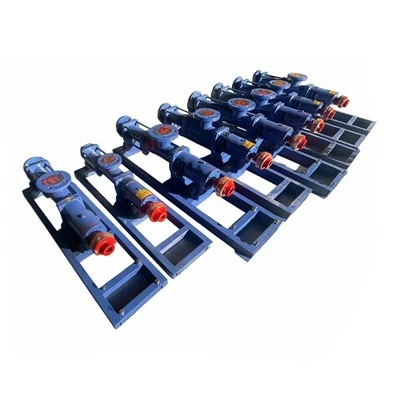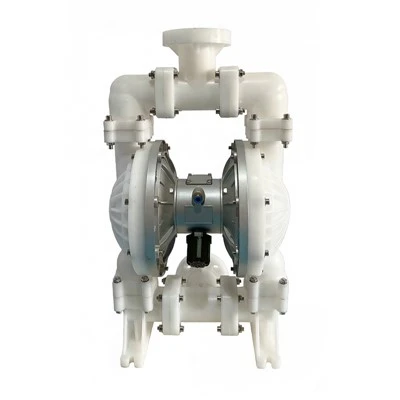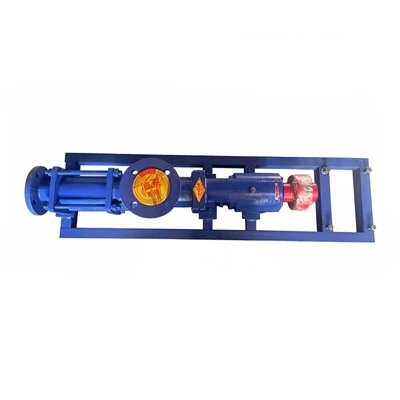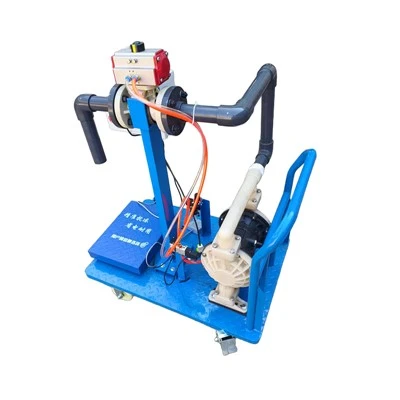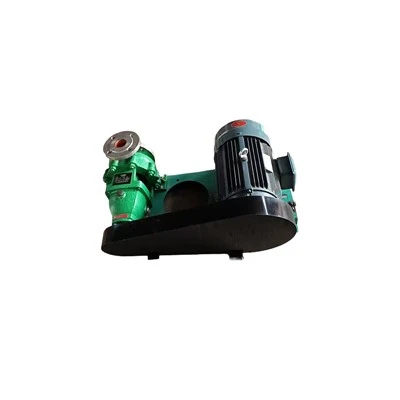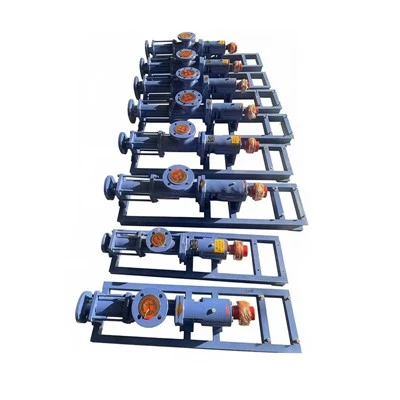
Flow control is a critical aspect in various industrial applications, and stainless steel gear pumps are widely used for their reliability and efficiency. As a leading supplier of Stainless Steel Gear Pumps, we understand the importance of flow control accuracy and its impact on different processes. In this blog post, we will delve into the factors affecting the accuracy of flow control in stainless steel gear pumps and explore how to optimize it.
Understanding Stainless Steel Gear Pumps
Stainless steel gear pumps are positive displacement pumps that use two or more gears to transfer fluids. The gears mesh together, creating chambers that trap fluid and move it from the inlet to the outlet. These pumps are known for their robust construction, high durability, and resistance to corrosion, making them suitable for a wide range of applications, including chemical processing, food and beverage, and petroleum industries.
Factors Affecting Flow Control Accuracy
Several factors can influence the accuracy of flow control in stainless steel gear pumps. Understanding these factors is crucial for ensuring optimal performance and meeting the specific requirements of each application.
Viscosity of the Fluid
The viscosity of the fluid being pumped is one of the most significant factors affecting flow control accuracy. High - viscosity fluids require more energy to flow through the pump, and the gears may experience more resistance. This can lead to variations in the flow rate, especially if the pump is not properly sized or designed for the specific viscosity. For highly viscous fluids, a High Viscosity Gear Pump may be more appropriate, as it is designed to handle the increased resistance and provide a more consistent flow.
Pump Speed
The speed at which the pump operates also plays a vital role in flow control accuracy. A higher pump speed generally results in a higher flow rate, but it can also introduce more fluctuations. Changes in the pump speed due to power supply variations or mechanical issues can cause inconsistent flow. To achieve accurate flow control, it is essential to maintain a stable pump speed. Many modern stainless steel gear pumps are equipped with variable speed drives that allow for precise control of the flow rate by adjusting the pump speed.
Gear Clearance
The clearance between the gears in the pump is another critical factor. If the clearance is too large, there may be leakage of fluid back to the inlet side, reducing the efficiency and accuracy of flow control. On the other hand, if the clearance is too small, the gears may experience excessive wear and tear, which can also affect the flow rate over time. Manufacturers carefully design the gear clearance to balance efficiency and durability, but it is important to monitor and maintain the proper clearance during the pump's lifespan.
Pressure Variations
Pressure variations in the system can have a significant impact on flow control accuracy. An increase in pressure can cause the fluid to compress, leading to a decrease in the flow rate. Conversely, a decrease in pressure can result in an increase in the flow rate. To counteract the effects of pressure variations, pressure relief valves or pressure - compensating devices can be installed in the system. These devices help maintain a constant pressure and ensure a more accurate flow rate.
Measuring Flow Control Accuracy
Accurately measuring the flow rate is essential for assessing the accuracy of flow control in stainless steel gear pumps. There are several methods available for measuring flow rate:
Flow Meters
Flow meters are commonly used to measure the flow rate of fluids. There are different types of flow meters, such as turbine flow meters, magnetic flow meters, and ultrasonic flow meters. Each type has its advantages and limitations, and the choice of flow meter depends on the specific application requirements, such as the type of fluid, the flow range, and the accuracy needed.
Volumetric and Gravimetric Methods
Volumetric methods involve measuring the volume of fluid pumped over a specific period of time. This can be done using calibrated containers or tanks. Gravimetric methods, on the other hand, measure the mass of the fluid pumped. These methods are often more accurate but can be more time - consuming and require specialized equipment.
Optimizing Flow Control Accuracy
To optimize the flow control accuracy of stainless steel gear pumps, the following steps can be taken:
Proper Pump Selection
Selecting the right pump for the application is crucial. Consider factors such as the viscosity of the fluid, the required flow rate, and the pressure conditions. For applications that require high precision, a High Precision Gear Pump may be the best choice.
Routine Maintenance
Regular maintenance of the pump is essential to ensure its longevity and optimal performance. This includes checking the gear clearance, lubricating the moving parts, and inspecting the seals for any signs of wear or leakage. By maintaining the pump in good condition, the flow control accuracy can be maintained over time.
System Design
The design of the entire pumping system also plays a role in flow control accuracy.Factors such as pipe diameter, length, and the presence of valves and fittings can affect the flow rate. A well - designed system minimizes pressure drops and ensures a smooth flow of fluid, contributing to more accurate flow control.
Applications Requiring High Flow Control Accuracy
There are several industries and applications where high flow control accuracy is of utmost importance:
Chemical Processing
In the chemical industry, precise flow control is necessary to ensure the correct mixing of chemicals and the quality of the final product. A small variation in the flow rate can lead to significant changes in the chemical reaction and the properties of the product.
Food and Beverage
In the food and beverage industry, accurate flow control is crucial for maintaining the consistency of products. For example, in the production of beverages, a consistent flow rate of ingredients is required to ensure the same taste and quality in every batch.
Pharmaceutical
The pharmaceutical industry demands the highest level of accuracy in flow control. Precise dosing of drugs and other pharmaceutical products is essential for the safety and effectiveness of the medications.
Other Types of Gear Pumps
Apart from the standard stainless steel gear pumps, we also offer a range of specialized gear pumps to meet different application needs:
High Flow Gear Pump: These pumps are designed to provide a high flow rate, making them suitable for applications where large volumes of fluid need to be transferred quickly.
Explosion Proof Gear Pump: Ideal for hazardous environments, these pumps are constructed to prevent explosions and ensure the safety of the operation.
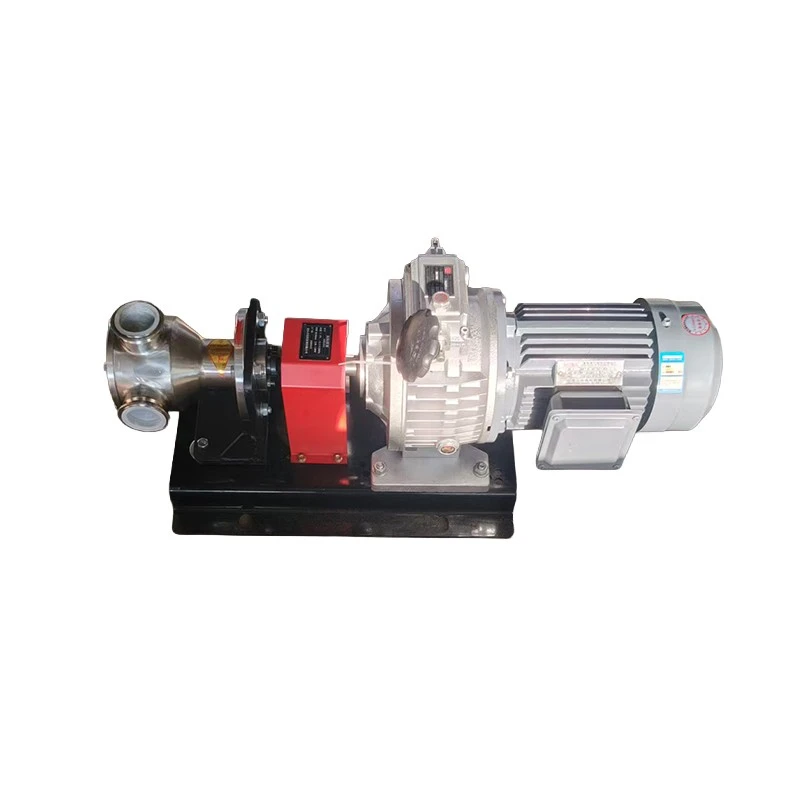
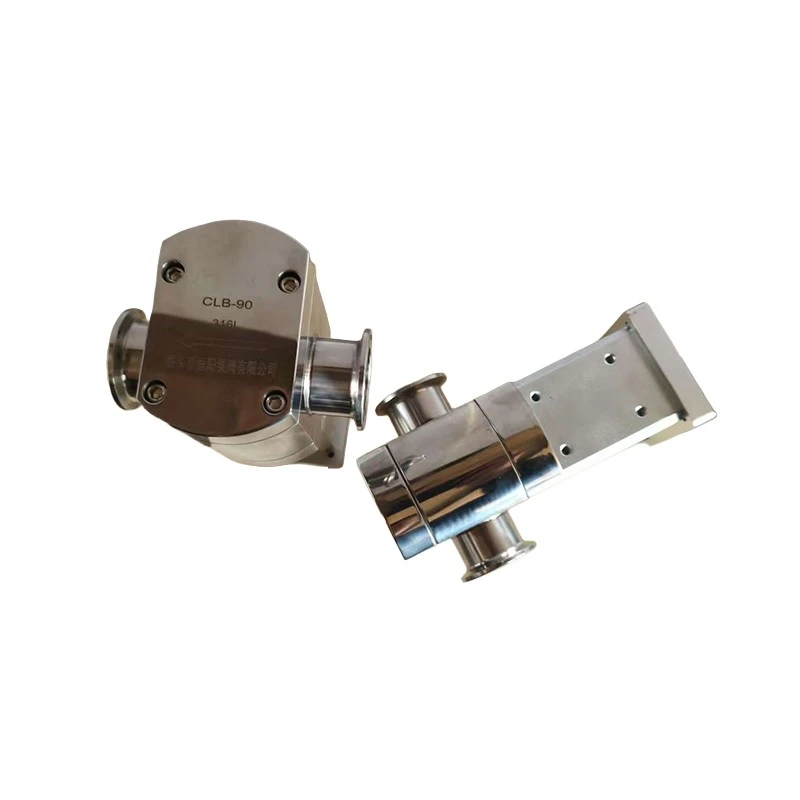
Fixed Displacement Gear Pump: These pumps deliver a constant flow rate regardless of the pressure, providing a reliable solution for applications that require a stable flow.
Conclusion
The accuracy of flow control in stainless steel gear pumps is influenced by various factors, including fluid viscosity, pump speed, gear clearance, and pressure variations. By understanding these factors and taking appropriate measures to optimize them, we can ensure a more accurate and consistent flow rate. As a trusted supplier of stainless steel gear pumps, we are committed to providing high - quality products and solutions that meet the diverse needs of our customers. If you are in need of a gear pump for your application or have any questions regarding flow control accuracy, please feel free to contact us for a detailed discussion and to explore the best options for your specific requirements.
References
- "Pump Handbook" by Igor J. Karassik et al.
- "Fluid Mechanics and Hydraulics" by R. C. Hibbeler.
- Industry standards and guidelines related to gear pump applications.