In the realm of fluid handling, high-pressure pumps play a crucial role in various industrial applications. Two commonly used types of high-pressure pumps are high-pressure screw pumps and high-pressure centrifugal pumps. As a supplier of High Pressure Screw Pump, I am often asked about the differences between these two pump types. In this blog post, I will delve into the key characteristics, working principles, advantages, and disadvantages of high-pressure screw pumps and high-pressure centrifugal pumps to help you make an informed decision when selecting the right pump for your specific needs.
Working Principles
High-Pressure Screw Pump
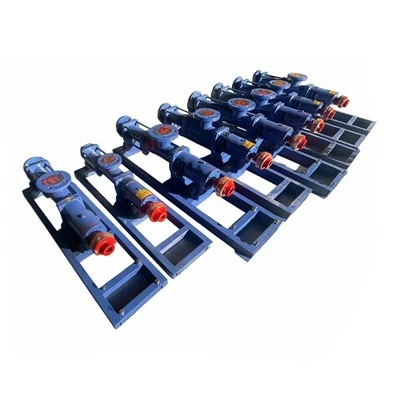
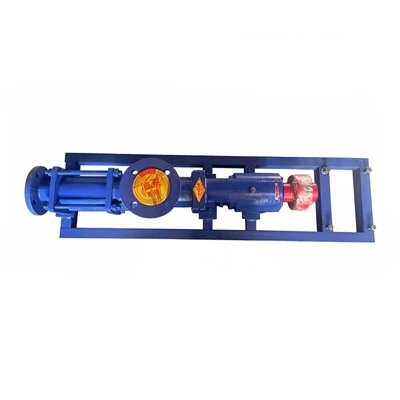
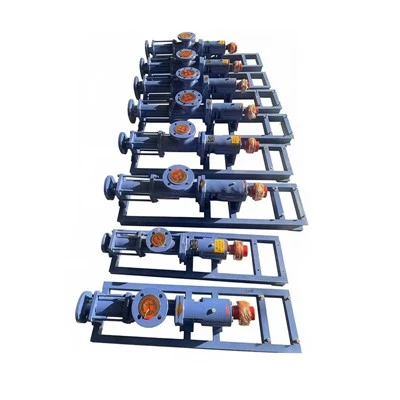
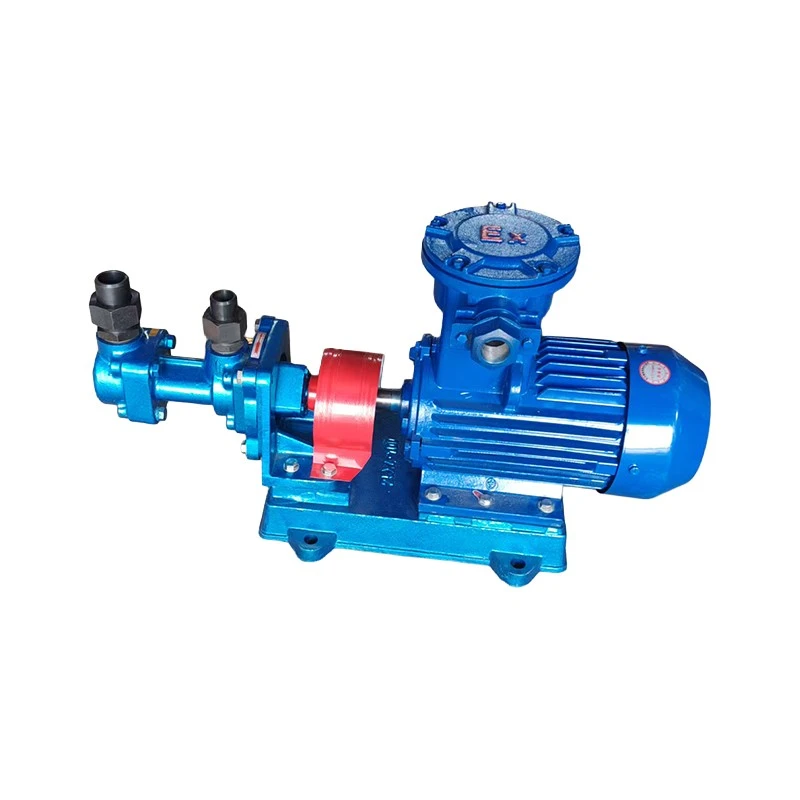
A high-pressure screw pump is a positive displacement pump that uses one or more screws to move fluid through the pump. The screws intermesh and rotate within a close-fitting housing, creating sealed chambers that trap and transport the fluid from the inlet to the outlet. As the screws rotate, the volume of the chambers decreases, increasing the pressure of the fluid and forcing it out of the pump. High-pressure screw pumps can be classified into single-screw, twin-screw, and triple-screw pumps, each with its own unique design and application. Single Screw Pump is suitable for handling viscous and abrasive fluids, while Triple Screw Pump is commonly used for high-pressure and high-flow applications.
High-Pressure Centrifugal Pump
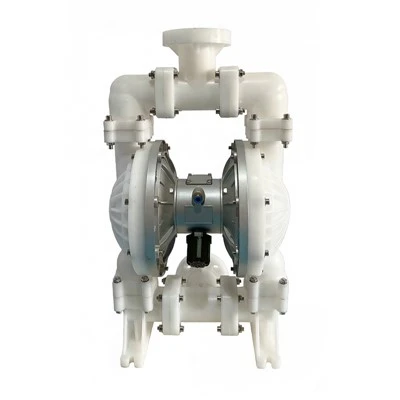
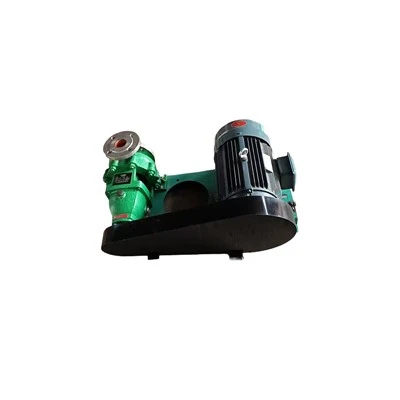
A high-pressure centrifugal pump is a dynamic pump that uses a rotating impeller to convert mechanical energy into kinetic energy and then into pressure energy. The impeller is mounted on a shaft and rotates at high speed within a volute casing. As the impeller rotates, it draws fluid into the center of the impeller and then throws the fluid outwards at high velocity. The fluid then enters the volute casing, where its velocity is converted into pressure energy. High-pressure centrifugal pumps are designed to handle large volumes of fluid at relatively low pressures and are commonly used in applications such as water supply, irrigation, and HVAC systems.
Key Characteristics
Flow Rate
High-pressure screw pumps typically have a relatively low flow rate compared to high-pressure centrifugal pumps. This is because the flow rate of a screw pump is determined by the volume of the sealed chambers created by the intermeshing screws, which is limited by the size and design of the pump. In contrast, high-pressure centrifugal pumps can handle large volumes of fluid due to the high-speed rotation of the impeller, which can generate a high flow rate.
Pressure
High-pressure screw pumps are capable of generating high pressures, typically ranging from a few hundred to several thousand pounds per square inch (psi). This is because the positive displacement action of the screws allows the pump to build up pressure gradually as the fluid is transported through the pump. High-pressure centrifugal pumps, on the other hand, are designed to operate at relatively low pressures, typically ranging from a few psi to a few hundred psi. Although some high-pressure centrifugal pumps can generate higher pressures, they are generally less efficient than screw pumps at high pressures.
Viscosity
High-pressure screw pumps are well-suited for handling viscous fluids, as the positive displacement action of the screws allows the pump to move the fluid through the pump without significant shear forces. This makes screw pumps ideal for applications such as oil and gas production, chemical processing, and food and beverage manufacturing. High-pressure centrifugal pumps, on the other hand, are less effective at handling viscous fluids, as the high-speed rotation of the impeller can cause the fluid to shear and become turbulent, reducing the pump's efficiency.
Efficiency
High-pressure screw pumps are generally more efficient than high-pressure centrifugal pumps, especially at high pressures and low flow rates. This is because the positive displacement action of the screws allows the pump to operate at a constant flow rate and pressure, regardless of the system conditions. In contrast, high-pressure centrifugal pumps are more sensitive to changes in system conditions, such as changes in flow rate and pressure, which can affect the pump's efficiency.

Maintenance
High-pressure screw pumps are relatively easy to maintain, as they have fewer moving parts compared to high-pressure centrifugal pumps. The screws and the housing of the pump are the main components that require maintenance, and they can be easily replaced if necessary. High-pressure centrifugal pumps, on the other hand, require more frequent maintenance, as the impeller and the volute casing are subject to wear and tear due to the high-speed rotation of the impeller.
Advantages and Disadvantages
High-Pressure Screw Pump
- Advantages
- High pressure capability: Can generate high pressures, making them suitable for applications that require high-pressure fluid transfer.
- Viscous fluid handling: Can handle viscous fluids without significant shear forces, making them ideal for applications such as oil and gas production and chemical processing.
- Constant flow rate: Provide a constant flow rate regardless of the system conditions, ensuring consistent performance.
- Low noise and vibration: Operate quietly and with minimal vibration, reducing the risk of damage to the pump and the surrounding equipment.
- Easy maintenance: Have fewer moving parts and are relatively easy to maintain, reducing downtime and maintenance costs.
- Disadvantages
- Relatively low flow rate: Have a relatively low flow rate compared to high-pressure centrifugal pumps, making them less suitable for applications that require large volumes of fluid transfer.
- Higher initial cost: Can be more expensive than high-pressure centrifugal pumps, especially for larger pump sizes.
- Limited temperature range: May have a limited temperature range compared to high-pressure centrifugal pumps, depending on the materials used in the pump construction.
High-Pressure Centrifugal Pump
- Advantages
- High flow rate capability: Can handle large volumes of fluid at relatively low pressures, making them suitable for applications such as water supply and irrigation.
- Lower initial cost: Are generally less expensive than high-pressure screw pumps, especially for smaller pump sizes.
- Wide temperature range: Can operate over a wide temperature range, making them suitable for applications that require high-temperature fluid transfer.
- Simple design: Have a simple design and are relatively easy to install and operate.
- Disadvantages
- Lower pressure capability: Are less effective at generating high pressures compared to high-pressure screw pumps, making them less suitable for applications that require high-pressure fluid transfer.
- Sensitive to system conditions: Are more sensitive to changes in system conditions, such as changes in flow rate and pressure, which can affect the pump's efficiency.
- Higher noise and vibration: Can generate more noise and vibration compared to high-pressure screw pumps, especially at high speeds.
- More frequent maintenance: Require more frequent maintenance, as the impeller and the volute casing are subject to wear and tear due to the high-speed rotation of the impeller.
Applications
High-Pressure Screw Pump
- Oil and gas industry: Used for oil transfer, lubrication, and hydraulic power applications.
- Chemical industry: Used for the transfer of viscous and corrosive chemicals.
- Food and beverage industry: Used for the transfer of viscous and shear-sensitive fluids, such as dairy products and chocolate.
- Marine industry: Used for shipboard lubrication, fuel transfer, and hydraulic power applications.
- Power generation industry: Used for boiler feedwater, lubrication, and hydraulic power applications.
High-Pressure Centrifugal Pump
- Water supply and distribution: Used for municipal water supply, irrigation, and firefighting applications.
- HVAC systems: Used for heating, ventilation, and air conditioning applications.
- Industrial processes: Used for cooling water circulation, process fluid transfer, and wastewater treatment applications.
- Desalination plants: Used for seawater intake and brine disposal applications.
- Power generation industry: Used for condenser cooling water circulation and boiler feedwater applications.
Conclusion
In conclusion, high-pressure screw pumps and high-pressure centrifugal pumps have different characteristics, working principles, advantages, and disadvantages, and are suitable for different applications. As a supplier of High Pressure Screw Pump, I recommend that you carefully consider your specific requirements, such as flow rate, pressure, viscosity, and temperature, when selecting the right pump for your application. If you need high-pressure fluid transfer and are dealing with viscous fluids, a high-pressure screw pump may be the best choice. If you need large volumes of fluid transfer at relatively low pressures, a high-pressure centrifugal pump may be more suitable.
If you are interested in learning more about our High Pressure Screw Pump or other Industrial Screw Pumps, including Stainless Steel Screw Pump, please feel free to contact us for more information and to discuss your specific needs. We are committed to providing high-quality products and excellent customer service to help you find the right pump solution for your application.
References
- Karassik, I. J., Messina, J. P., Cooper, P. T., & Heald, C. C. (2008). Pump Handbook. McGraw-Hill.
- Stepanoff, A. J. (1957). Centrifugal and Axial Flow Pumps: Theory, Design, and Application. Wiley.
- Warring, R. O. (1976). Positive Displacement Pumps: Principles and Applications. Gulf Publishing Company.