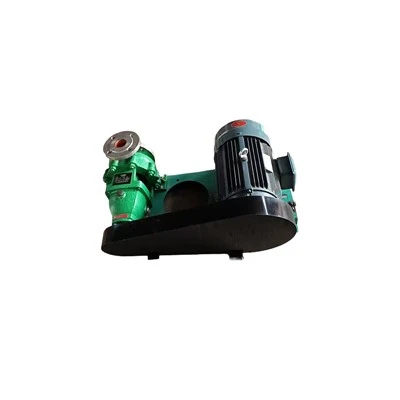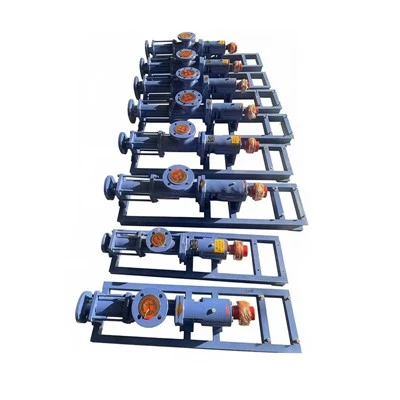
Hey there! As a supplier of KCB Gear Pumps, I've seen firsthand how fluid impurities can mess with the performance of these pumps. In this blog, I'll break down what effects these impurities have and how it might impact your operations.
Basics of KCB Gear Pumps
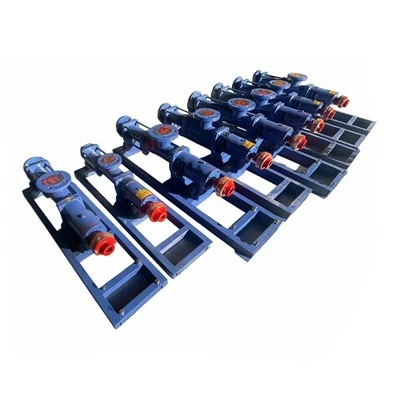
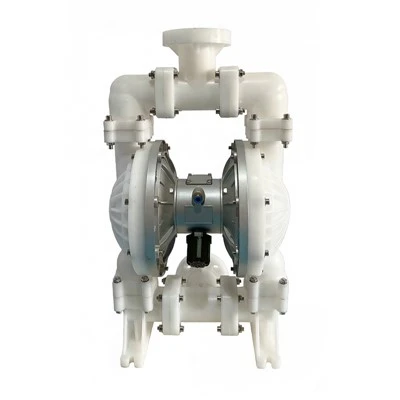
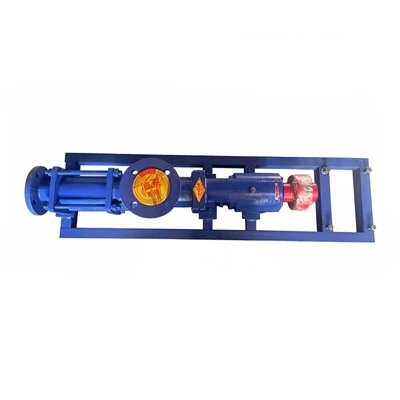
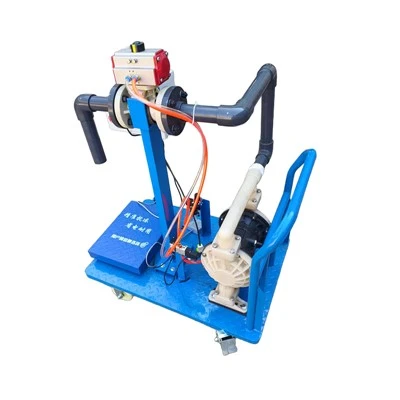
Before we dive into the effects of fluid impurities, let's quickly go over what a KCB Gear Pump is. It's a type of positive displacement pump that uses gears to move fluid from the inlet to the outlet. When the gears rotate, they create a vacuum at the inlet, which draws the fluid in. Then, as the gears mesh, they push the fluid towards the outlet. These pumps are popular because they're relatively simple, reliable, and can handle a wide range of viscosities. We offer various types of gear pumps on our website, such as the Stainless Steel Gear Pump, Pneumatic Gear Pump, Magnetic Drive Gear Pump, Paint Transfer Gear Pump, and Sanitary Gear Pump.
Effects of Fluid Impurities on KCB Gear Pumps
1. Wear and Tear
One of the most obvious effects of fluid impurities is increased wear and tear on the pump components. Solid particles like sand, dirt, or metal shavings in the fluid can act like abrasive agents. As the fluid flows through the pump, these particles rub against the gears, bearings, and other internal parts. Over time, this friction can cause the surfaces of these components to wear down.
For example, the teeth of the gears might get chipped or worn unevenly. This not only reduces the efficiency of the pump but can also lead to a loss of pressure and flow rate. If the wear is severe enough, it can even cause the gears to break, which means the pump will stop working altogether. Replacing these worn-out parts can be costly and time-consuming, leading to unplanned downtime in your operations.


2. Clogging
Fluid impurities can also cause clogging in the pump. If there are large particles or debris in the fluid, they can get stuck in the narrow passages or clearances within the pump. For instance, the tiny spaces between the gears and the pump housing can be easily blocked by these impurities.
When clogging occurs, the flow of fluid is restricted. This can lead to a decrease in the pump's flow rate and an increase in pressure. If the pressure builds up too much, it can cause damage to the pump or even rupture the pipes connected to it. In some cases, the motor that drives the pump may also overheat due to the increased load caused by the clogging.
3. Corrosion
In addition to solid particles, fluid impurities can also include corrosive substances like acids, alkalis, or salts. When these corrosive impurities come into contact with the pump's internal components, they can cause chemical reactions that damage the metal surfaces.
Corrosion can weaken the structural integrity of the pump parts. For example, it can cause pitting on the gears, which makes them more prone to failure. It can also affect the sealing surfaces, leading to leaks. If the corrosion is left untreated, it can significantly reduce the lifespan of the pump and require frequent repairs or replacements.
4. Reduced Efficiency
All of the above issues - wear and tear, clogging, and corrosion - ultimately lead to a reduction in the pump's efficiency. When the gears are worn, the pump has to work harder to move the same amount of fluid. Clogging restricts the flow, so the pump can't deliver the required volume of fluid. And corrosion can cause leaks, which means some of the fluid is wasted instead of being transferred where it's needed.
As a result, you'll notice that the pump consumes more energy to achieve the same level of performance. This not only increases your operating costs but also has a negative impact on the overall productivity of your system.
How to Mitigate the Effects of Fluid Impurities
1. Filtration
The most effective way to reduce the impact of fluid impurities is to use proper filtration. You can install filters at the inlet of the pump to remove solid particles before they enter the pump. There are different types of filters available, such as mesh filters, cartridge filters, and bag filters. The choice of filter depends on the size and type of impurities in the fluid, as well as the flow rate and pressure requirements of your system.
2. Fluid Treatment
If the fluid contains corrosive impurities, you can treat it to neutralize or remove these substances. For example, you can add chemicals to adjust the pH level of the fluid to make it less corrosive. There are also specialized treatment processes available for different types of contaminants.
3. Regular Maintenance
Regular maintenance is crucial to ensure the long - term performance of your KCB Gear Pump. This includes inspecting the pump for signs of wear and tear, corrosion, and clogging. You should also clean or replace the filters regularly, and check the fluid levels and quality. By catching and addressing problems early, you can prevent more serious damage to the pump.
Conclusion
Fluid impurities can have a significant impact on the performance of KCB Gear Pumps. From increased wear and tear to clogging, corrosion, and reduced efficiency, these impurities can cause a range of problems that affect your operations. However, by taking proactive measures such as using proper filtration, treating the fluid, and performing regular maintenance, you can minimize these effects and keep your pump running smoothly.
If you're in the market for a high - quality KCB Gear Pump or need advice on dealing with fluid impurities, don't hesitate to reach out. We're here to help you find the best solutions for your specific needs. Whether you're interested in our Stainless Steel Gear Pump, Pneumatic Gear Pump, Magnetic Drive Gear Pump, Paint Transfer Gear Pump, or Sanitary Gear Pump, we've got you covered. Let's start a conversation and see how we can work together to optimize your pumping system!
References
- Pump Handbook, Various authors
- Fluid Mechanics and Machinery textbooks