What is the power consumption of a single screw pump?
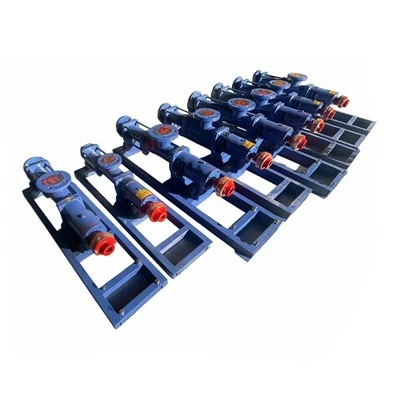
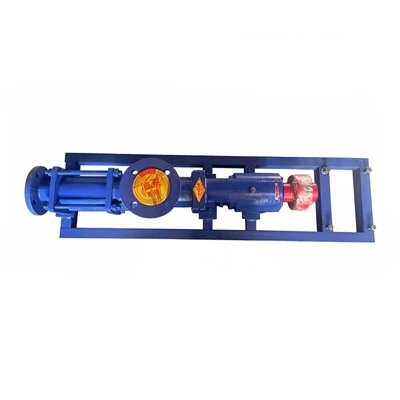
As a trusted supplier of single screw pumps, I'm often asked about the power consumption of these essential pieces of equipment. Understanding the power consumption of a single screw pump is crucial for businesses looking to optimize their operations, reduce costs, and ensure energy efficiency. In this blog post, I'll delve into the factors that influence the power consumption of a single screw pump, how to calculate it, and some tips for minimizing energy usage.
Factors Affecting Power Consumption
The power consumption of a single screw pump is influenced by several key factors, each of which plays a significant role in determining how much energy the pump will consume during operation.
Flow Rate: The flow rate, or the volume of fluid the pump moves per unit of time, is one of the most important factors affecting power consumption. Generally, the higher the flow rate, the more power the pump will need to maintain. For example, a pump that needs to move a large volume of fluid quickly will require more energy than one with a lower flow rate.
Pressure: The pressure at which the pump operates also has a significant impact on power consumption. Pumps that operate at higher pressures require more energy to overcome the resistance and move the fluid through the system. This is because the pump has to work harder to push the fluid against the pressure differential.


Fluid Viscosity: The viscosity of the fluid being pumped is another crucial factor. Viscous fluids are thicker and more resistant to flow, which means the pump has to work harder to move them. As a result, pumps handling highly viscous fluids will typically consume more power than those dealing with less viscous liquids.
Pump Efficiency: The efficiency of the pump itself is a major determinant of power consumption. A more efficient pump will convert a higher percentage of the input power into useful work, resulting in lower energy consumption. Factors such as the design of the pump, the quality of its components, and its maintenance can all affect its efficiency.
Calculating Power Consumption
Calculating the power consumption of a single screw pump involves using a few basic formulas and taking into account the factors mentioned above. The fundamental formula for calculating the power required to drive a pump is:
[ P = \frac{\rho \times g \times Q \times H}{\eta}]
Where:
- ( P ) is the power (in watts)
- ( \rho ) is the density of the fluid (in kg/m³)
- ( g ) is the acceleration due to gravity (approximately 9.81 m/s²)
- ( Q ) is the flow rate (in m³/s)
- ( H ) is the total head (in meters), which includes the pressure head and the elevation head
- ( \eta ) is the pump efficiency (expressed as a decimal)
Let's consider an example to illustrate how this formula works. Suppose we have a single screw pump that needs to move a fluid with a density of 1000 kg/m³ at a flow rate of 0.01 m³/s. The total head is 20 meters, and the pump efficiency is 0.8. Using the formula, we can calculate the power consumption as follows:
[ P = \frac{1000 \times 9.81 \times 0.01 \times 20}{0.8} = 2452.5 \text{ watts}]
It's important to note that this is a simplified calculation, and in real-world applications, other factors such as friction losses in the pipes and fittings may need to be taken into account.
Tips for Minimizing Power Consumption
As a single screw pump supplier, I understand the importance of helping my customers reduce their energy costs. Here are some tips for minimizing the power consumption of your single screw pump:
Choose the Right Pump: Selecting a pump that is properly sized for your application is crucial. An oversized pump will consume more power than necessary, while an undersized pump may not be able to meet your requirements. Work with a knowledgeable supplier to determine the right pump for your specific needs.
Optimize the System Design: The design of your pumping system can have a significant impact on power consumption. Minimize the length and diameter of the pipes, reduce the number of fittings and valves, and ensure proper alignment to reduce friction losses.
Maintain the Pump Regularly: Regular maintenance is essential for keeping your pump operating at peak efficiency. This includes checking and replacing worn parts, lubricating moving components, and ensuring proper alignment. A well-maintained pump will consume less energy and have a longer lifespan.
Use Variable Speed Drives: Variable speed drives (VSDs) allow you to adjust the speed of the pump motor based on the actual demand. This can significantly reduce power consumption, especially in applications where the flow rate or pressure requirements vary.
Other Types of Screw Pumps
In addition to single screw pumps, there are several other types of screw pumps available, each with its own unique characteristics and applications. Here are some of the most common types:
- Triple Screw Pump: Triple screw pumps are known for their smooth and pulsation-free operation. They are commonly used in applications where a constant flow rate and pressure are required, such as in fuel oil transfer and hydraulic systems.
- High Pressure Screw Pump: High pressure screw pumps are designed to handle high-pressure applications. They are often used in industries such as oil and gas, chemical processing, and power generation.
- Micro Screw Pump: Micro screw pumps are small, compact pumps that are ideal for applications where space is limited or where a precise flow rate is required. They are commonly used in medical devices, laboratory equipment, and small-scale industrial processes.
- Hyghspin Twin Screw Pump: Hyghspin twin screw pumps are designed for high-speed operation and can handle a wide range of viscosities. They are often used in applications such as food processing, pharmaceutical manufacturing, and chemical blending.
- Industrial Screw Pumps: Industrial screw pumps are versatile pumps that can be used in a variety of industrial applications. They are known for their reliability, efficiency, and ability to handle a wide range of fluids.
Conclusion
Understanding the power consumption of a single screw pump is essential for businesses looking to optimize their operations and reduce costs. By considering the factors that affect power consumption, calculating it accurately, and implementing strategies to minimize energy usage, you can ensure that your pump operates efficiently and effectively. As a single screw pump supplier, I'm here to help you choose the right pump for your application and provide you with the support and guidance you need to keep it running smoothly.
If you're interested in learning more about our single screw pumps or any of our other products, please don't hesitate to contact us. We'd be happy to discuss your specific needs and provide you with a customized solution.
References
- "Pump Handbook" by Igor J. Karassik, Joseph P. Messina, Paul Cooper, and Charles C. Heald
- "Centrifugal and Positive Displacement Pumps: Theory, Design, and Application" by Heinz P. Bloch and Fred K. Geitner