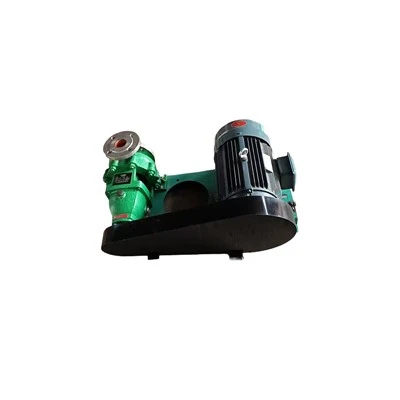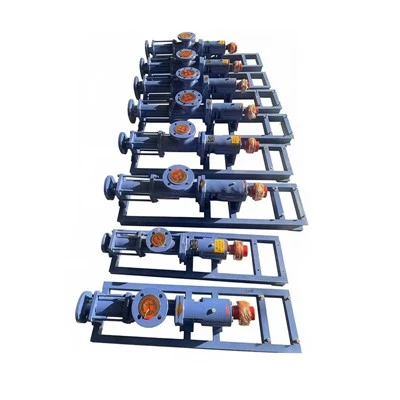
Screw pumps are widely used in various industries to transfer fluids due to their efficiency, reliability, and ability to handle a wide range of viscosities. As a screw pump supplier, we understand the importance of maintaining optimal pump performance. In this blog, we will explore the key factors that can affect the performance of a screw pump, helping you make informed decisions and ensure the smooth operation of your pumping systems.
1. Fluid Properties
The properties of the fluid being pumped play a crucial role in determining the performance of a screw pump. The following fluid characteristics can have a significant impact:
Viscosity
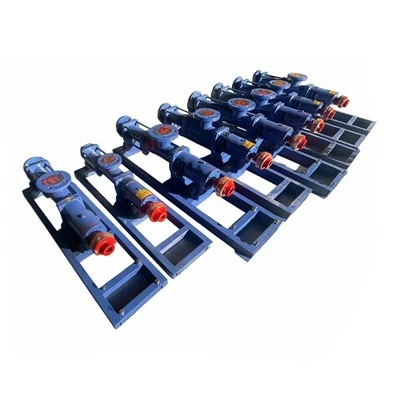
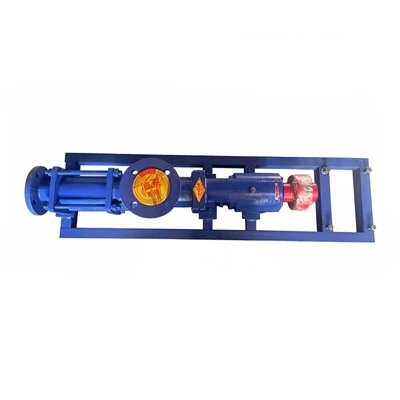
Viscosity is one of the most critical factors affecting pump performance. Screw pumps are well-suited for handling high-viscosity fluids, but as the viscosity increases, the pump may require more energy to operate. High-viscosity fluids can cause increased internal leakage, reduced flow rates, and elevated pressures. For example, when pumping heavy oils or syrups, the pump may need to work harder to maintain the desired flow. At our company, we offer different types of screw pumps designed to handle various viscosities, such as the Single Screw Pump, which is particularly effective for conveying highly viscous and non - Newtonian fluids.
Density
Fluid density affects the power required to pump the fluid. Higher density fluids demand more energy to move, as the pump needs to overcome the gravitational and inertial forces associated with the fluid. A pump designed for a certain density range may experience performance degradation if used with a fluid of significantly different density.
Abrasiveness and Corrosiveness
If the fluid contains abrasive particles or is corrosive, it can cause wear and tear on the pump's internal components. Abrasive particles can erode the screw threads, seals, and bearings, leading to reduced efficiency and eventual pump failure. Corrosive fluids can damage the metal parts of the pump, compromising its structural integrity. For applications where abrasion or corrosion is a concern, we recommend our Stainless Steel Screw Pump, which is made of corrosion - resistant materials and can withstand harsh environments.
2. Operating Conditions
The conditions under which the screw pump operates also have a profound influence on its performance.
Pressure
The discharge and suction pressures affect the pump's flow rate and efficiency. Higher discharge pressures can cause increased internal leakage and require more power to maintain the flow. Exceeding the maximum allowable pressure of the pump can lead to mechanical damage. On the other hand, low suction pressures can cause cavitation, a phenomenon where vapor bubbles form in the fluid due to low pressure and then collapse, causing noise, vibration, and damage to the pump components. Our High Pressure Screw Pump is designed to handle high - pressure applications, ensuring reliable performance under extreme pressure conditions.
Temperature
Temperature can affect the viscosity of the fluid and the physical properties of the pump materials. As the temperature increases, the viscosity of most fluids decreases, which can change the pump's performance characteristics. High temperatures can also cause thermal expansion of the pump components, leading to misalignment and increased wear. Conversely, low temperatures can make the fluid more viscous, increasing the load on the pump. It is essential to select a pump that can operate within the temperature range of the application.
Speed
The rotational speed of the screw pump affects the flow rate and the power consumption. Generally, increasing the speed will increase the flow rate, but it also increases the wear on the pump components. Running the pump at an excessive speed can lead to premature failure. The optimal speed depends on the pump design, fluid properties, and the application requirements. Our pumps are designed to operate at specific speed ranges to ensure maximum efficiency and longevity.
3. Pump Design and Installation
The design of the screw pump and its proper installation are vital for achieving optimal performance.
Screw Geometry
The shape, pitch, and number of screws in the pump affect its performance. Different screw geometries are suitable for different applications. For example, triple - screw pumps are known for their smooth flow and high efficiency, making them ideal for applications where a constant flow rate is required. Our Triple Screw Pump has a unique screw design that ensures stable operation and minimal pulsation.
Clearances
The clearances between the screws and the pump casing are critical. Too large clearances can result in excessive internal leakage, reducing the pump's efficiency. On the other hand, too small clearances can cause excessive friction and heat generation, leading to wear and potential seizure of the pump. During the manufacturing process, we carefully control the clearances to ensure optimal performance.
Installation
Proper installation of the screw pump is essential. The pump should be installed on a stable foundation to prevent vibration. The suction and discharge piping should be correctly sized and aligned to minimize pressure losses. Incorrect installation can lead to cavitation, reduced flow rates, and increased energy consumption. We provide detailed installation guides to our customers to ensure that the pumps are installed correctly.
4. Maintenance and Lubrication
Regular maintenance and proper lubrication are necessary to keep the screw pump operating at its best.
Maintenance
Scheduled maintenance, including inspection, cleaning, and replacement of worn parts, is crucial for the long - term performance of the pump. Components such as seals, bearings, and screws should be inspected regularly for signs of wear. Any damaged parts should be replaced promptly to prevent further damage to the pump.
Lubrication
Lubrication is essential to reduce friction between moving parts and prevent wear. The type and amount of lubricant used depend on the pump design and the operating conditions. Insufficient lubrication can cause overheating, increased wear, and reduced efficiency. Over - lubrication can also be a problem, leading to seal damage and increased fluid contamination. Our technical support team can provide guidance on the appropriate lubrication methods for different pump models.
5. System Design and Compatibility
The overall system design and the compatibility of the pump with other components in the system can also impact performance.


Piping System
The design of the piping system, including the length, diameter, and number of bends, can affect the pressure drop and the flow rate. A poorly designed piping system can cause excessive pressure losses, reducing the pump's efficiency. It is important to ensure that the piping system is properly sized and configured to minimize these losses.
Compatibility with Other Components
The screw pump should be compatible with other components in the system, such as valves, filters, and heat exchangers. Incompatible components can cause flow restrictions, pressure fluctuations, and other performance issues. For example, a filter with too small a mesh size can cause excessive pressure drop and affect the pump's ability to deliver the required flow rate.
In conclusion, the performance of a screw pump is affected by a variety of factors, including fluid properties, operating conditions, pump design and installation, maintenance and lubrication, and system design and compatibility. As a screw pump supplier, we are committed to providing high - quality pumps and comprehensive technical support to help you optimize the performance of your pumping systems. If you are looking for a reliable screw pump for your application or need advice on improving the performance of your existing pump, we invite you to contact us for a detailed discussion. Our team of experts is ready to assist you in making the best choice for your needs.
References
- Dhgaian, A., & Nassehi, A. (2013). A review of the performance of positive displacement pumps used in polymer processing. Journal of Materials Processing Technology.
- Karassik, I. J., Messina, J. P., Cooper, P., & Heald, C. C. (2008). Pump Handbook (4th ed.). McGraw - Hill Professional.