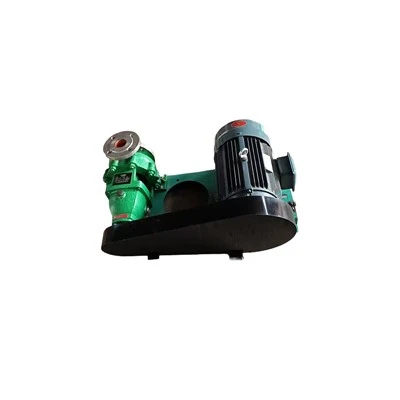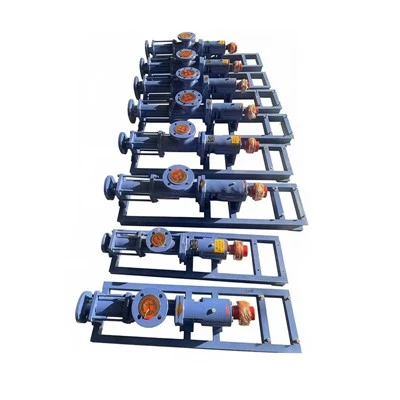
When it comes to the food and beverage industry, the need to handle different types of substances efficiently and safely is paramount. Among these substances, food colorants play a crucial role in enhancing the visual appeal of products. However, the viscosity of food colorants can vary significantly, which poses challenges in the pumping process. As a supplier of High Viscosity Lobe Pump, I am often asked whether our high viscosity lobe pumps can be used for pumping food colorants. In this blog post, I will explore this question in detail.
Understanding Food Colorants and Their Viscosity
Food colorants are substances added to food and beverages to improve their appearance. They can be natural or synthetic, and their viscosity can range from low - like water - to very high, depending on their composition and the form in which they are supplied. For example, liquid food colorants may have relatively low viscosity, while gel or paste - based colorants can be highly viscous. High - viscosity colorants are often preferred in some applications because they provide more intense color, are easier to control in terms of dosage, and can be better incorporated into certain food products.
How High Viscosity Lobe Pumps Work
A high viscosity lobe pump is a positive - displacement pump that operates by the rotation of two or more lobes within a housing. As the lobes rotate, they create spaces that expand to draw in the fluid at the suction port and then contract to discharge the fluid at the outlet. This design allows the pump to handle a wide range of viscosities effectively. The close clearances between the lobes and the housing ensure minimal slip, which means that the pump can maintain a consistent flow rate even when pumping highly viscous fluids.
Advantages of Using High Viscosity Lobe Pumps for Food Colorants
- High - Viscosity Handling: One of the most significant advantages of using a high viscosity lobe pump for pumping food colorants is its ability to handle high - viscosity substances. Whether it's a thick gel food colorant or a paste - like concentrate, the pump can move these materials smoothly without causing excessive shear or degradation. This is important because food colorants need to maintain their integrity during the pumping process to ensure consistent color quality in the final product.
- Gentle Pumping Action: High viscosity lobe pumps offer a gentle pumping action, which is crucial for food colorants. Many food colorants are sensitive to shear forces, and excessive shear can cause changes in their chemical or physical properties. For instance, it might break down the pigments in the colorant, leading to color fading or inconsistency. The lobe pump's smooth operation minimizes shear, preserving the quality of the food colorants.
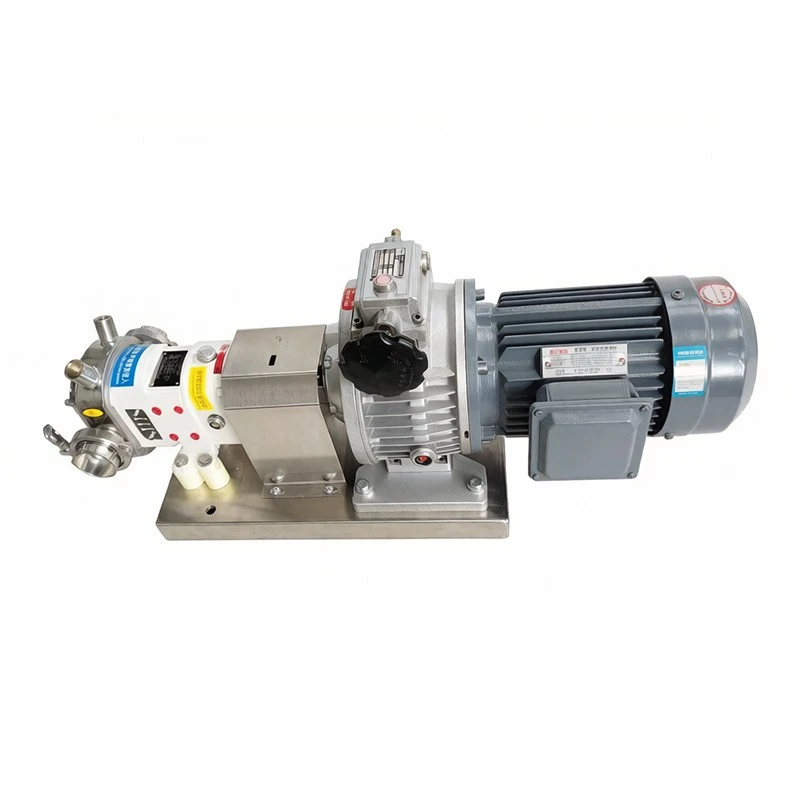
- Hygienic Design: In the food industry, hygiene is of utmost importance. Our High Viscosity Lobe Pump is designed with hygiene in mind. It is typically made of high - quality stainless steel, which is resistant to corrosion and can be easily cleaned and sanitized. This helps to prevent the growth of bacteria and other contaminants, ensuring that the pumped food colorants meet the strictest food safety standards.
- Accurate Flow Control: High viscosity lobe pumps provide accurate flow control, which is essential for dosing food colorants. In food production, precise amounts of colorants need to be added to achieve the desired color intensity. The positive - displacement nature of the lobe pump allows for a consistent and accurate flow rate, enabling manufacturers to control the color of their products with high precision.
Considerations When Using High Viscosity Lobe Pumps for Food Colorants
- Material Compatibility: It is important to ensure that the materials used in the construction of the pump are compatible with the food colorants. Some colorants may contain chemicals or additives that can react with certain metals or elastomers. For example, acidic colorants might corrode some types of steel if not properly protected. Our pumps are designed to be compatible with a wide range of food - grade substances, but it is still necessary to conduct a compatibility test for specific colorants.
- Cleaning and Maintenance: Regular cleaning and maintenance are required to keep the pump in good working condition and to prevent cross - contamination between different batches of food colorants. The pump should be designed for easy disassembly and cleaning. Our High Viscosity Lobe Pump features a simple and modular design, making it easy to clean all internal components thoroughly.
- Temperature Considerations: The viscosity of food colorants can be affected by temperature. In some cases, heating or cooling the colorant may be necessary to achieve the optimal viscosity for pumping. The high viscosity lobe pump should be able to operate within the required temperature range without any issues. Our pumps are designed to handle a variety of temperatures, but it is important to consult our technical team for specific temperature requirements.
Comparison with Other Types of Pumps
- Stainless Steel Lobe Pumps: Stainless Steel Lobe Pumps are similar to high viscosity lobe pumps in terms of design and function. However, the focus of stainless steel lobe pumps is more on the material of construction. While they can handle a wide range of viscosities, high viscosity lobe pumps are specifically engineered to handle extremely viscous fluids more effectively.
- Cam Rotor Pump: Cam Rotor Pump is another type of positive - displacement pump. It also has the ability to handle viscous fluids. However, cam rotor pumps may have a different flow pattern and shear characteristics compared to high viscosity lobe pumps. In some cases, the gentle pumping action of the lobe pump may be more suitable for food colorants, especially those that are sensitive to shear.
- Sanitary Rotary Lobe Pump: Sanitary Rotary Lobe Pump is designed with strict sanitary standards in mind. High viscosity lobe pumps can also meet these sanitary requirements, but they are optimized for handling high - viscosity fluids. If the application mainly focuses on high - viscosity food colorants, a high viscosity lobe pump may be a better choice.
Conclusion
In conclusion, a high viscosity lobe pump can indeed be used for pumping food colorants. Its ability to handle high - viscosity substances, gentle pumping action, hygienic design, and accurate flow control make it a suitable choice for the food industry. However, it is important to consider factors such as material compatibility, cleaning and maintenance, and temperature requirements. As a supplier of High Viscosity Lobe Pump, we have the expertise and experience to help you select the right pump for your specific application.
If you are in the food industry and are looking for a reliable pump for your food colorant pumping needs, we would be delighted to assist you. Our team of experts can provide you with detailed information, technical support, and customized solutions. Contact us today to start a discussion about your requirements and take the first step towards efficient and safe food colorant pumping.

References
- "Food Colorants: Properties, Uses, and Safety" by John E. Lancaster
- "Positive - Displacement Pumps: Principles and Applications" by Richard W. Miller