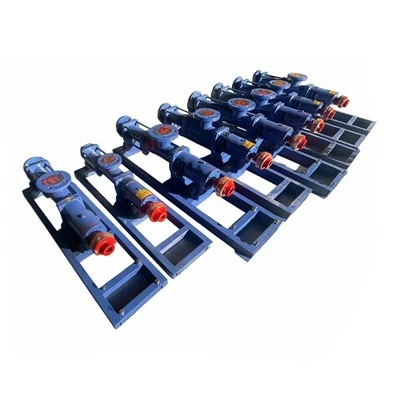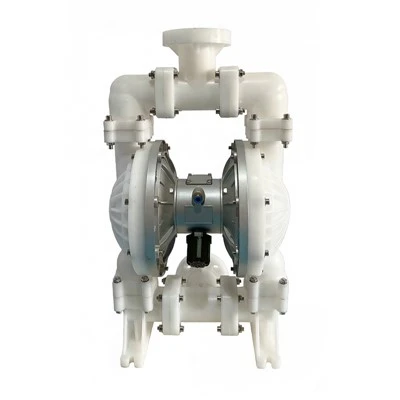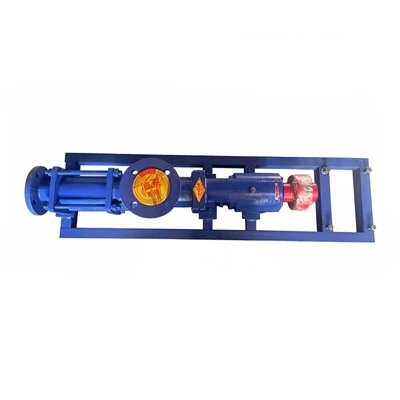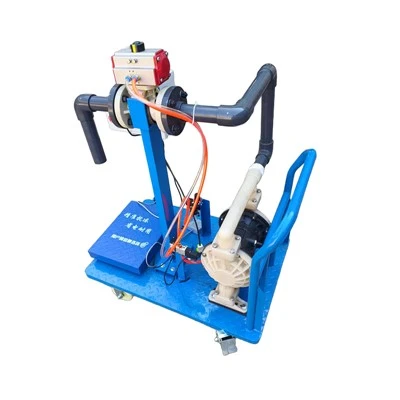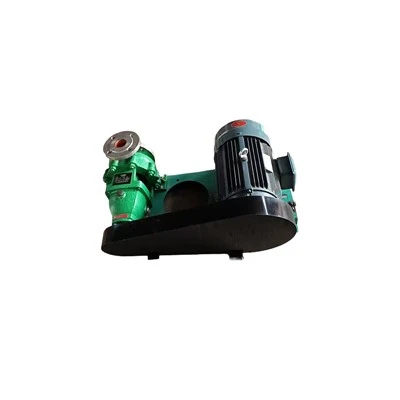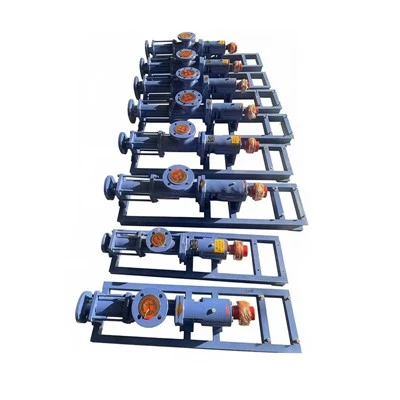
Hey there! As a supplier of Lubricating Oil Gear Pumps, I've seen firsthand how air entering these pumps can cause a whole bunch of problems. In this blog, I'm gonna share some tips on how to prevent air from getting into a Lubricating Oil Gear Pump.
Understanding the Problem
First off, let's talk about why air in a Lubricating Oil Gear Pump is such a big deal. When air gets into the pump, it can lead to cavitation. Cavitation is when the air bubbles in the oil collapse, creating shockwaves that can damage the pump's gears, bearings, and other components. This not only reduces the pump's efficiency but also shortens its lifespan.
Another issue is that air can cause foaming in the lubricating oil. Foamy oil doesn't lubricate as well as non - foamy oil, which can lead to increased friction and wear on the pump's moving parts.

Proper Installation
One of the key ways to prevent air from entering the pump is through proper installation.
- Suction Line Placement: The suction line should be placed below the oil level in the reservoir. This ensures that the pump is always primed with oil and reduces the chance of air being sucked in. If the suction line is above the oil level, there's a risk that air can enter the line when the oil level drops.
- Sealing the Suction Line: Make sure that all connections in the suction line are properly sealed. Loose or leaky connections can allow air to enter the system. Use high - quality gaskets and fittings, and tighten them securely. You can also use thread sealant on threaded connections to prevent air leaks.
- Avoiding Sharp Bends: Sharp bends in the suction line can cause turbulence and create areas where air can accumulate. Try to keep the suction line as straight as possible. If you need to make a bend, use a gentle curve instead.
Maintaining the Oil Reservoir
The oil reservoir plays a crucial role in preventing air from entering the pump.
- Oil Level: Keep the oil level in the reservoir at the recommended level. A low oil level can expose the suction line to air, while an overfilled reservoir can cause oil to splash and create air bubbles. Regularly check the oil level and top it up as needed.
- Oil Quality: Use high - quality lubricating oil that is appropriate for your pump. Contaminated or degraded oil can cause foaming and increase the risk of air entrainment. Change the oil at the recommended intervals and filter it regularly to remove any contaminants.
- Ventilation: The reservoir should be properly ventilated to allow air to escape. A blocked or poorly designed ventilation system can cause pressure build - up in the reservoir, which can force air into the pump. Make sure the ventilation ports are clean and unobstructed.
Pump Design and Selection
The design and selection of the pump itself can also impact the amount of air that enters the system.
- Pump Type: Different types of pumps have different susceptibility to air entrainment. For example, Lubricating Oil Gear Pump are generally more prone to air problems compared to some other pump types. However, they are also very efficient and widely used in many applications. Consider the specific requirements of your application when choosing a pump.
- Pump Capacity: Make sure the pump has the right capacity for your needs. An oversized pump can cause excessive flow and turbulence, which can lead to air entrainment. On the other hand, an undersized pump may not be able to handle the required flow rate, which can also cause problems.
Monitoring and Maintenance
Regular monitoring and maintenance are essential for preventing air from entering the pump.
- Pressure and Flow Monitoring: Install pressure and flow sensors in the system to monitor the pump's performance. Sudden changes in pressure or flow can indicate air entrainment or other problems. If you notice any abnormal readings, investigate the issue immediately.
- Visual Inspection: Regularly inspect the pump and the suction line for signs of leaks, damage, or air bubbles. Look for oil stains around the connections, and check the condition of the gaskets and fittings. If you see any air bubbles in the oil, it's a clear sign that air is entering the system.
- Maintenance Schedule: Follow a regular maintenance schedule for the pump. This includes changing the oil, replacing the filters, and inspecting the pump's components. Regular maintenance can help identify and fix potential problems before they become serious.
Other Types of Gear Pumps
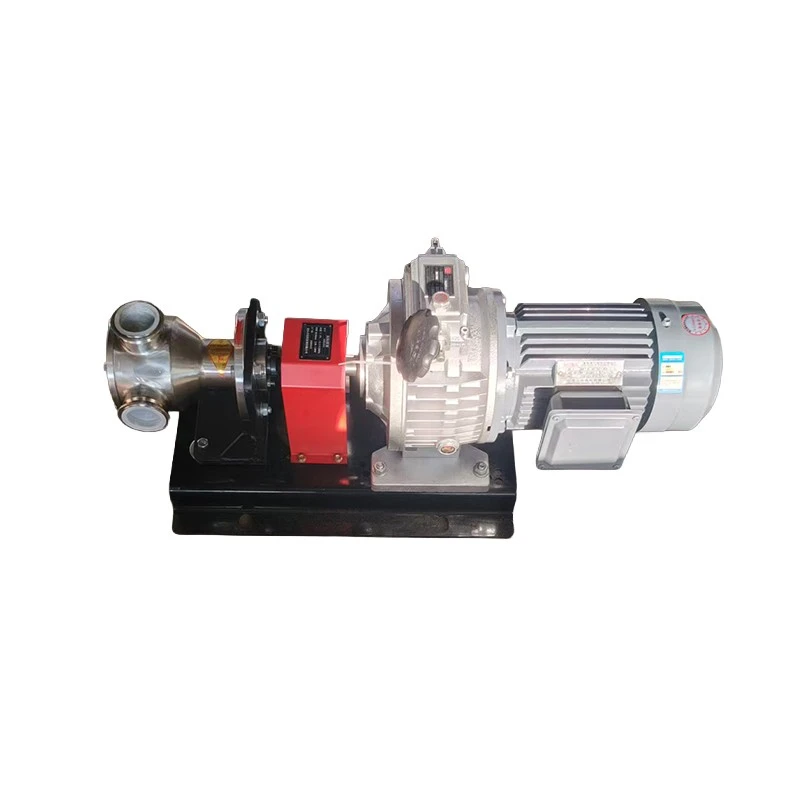
In addition to Lubricating Oil Gear Pumps, we also offer a range of other gear pumps, such as Explosion Proof Gear Pump, High Viscosity Gear Pump, Sanitary Gear Pump, and High Temperature Gear Pump. Each of these pumps has its own unique features and applications, and the same principles of preventing air entrainment apply to them as well.
Conclusion
Preventing air from entering a Lubricating Oil Gear Pump is crucial for ensuring its proper operation and longevity. By following the tips outlined in this blog, such as proper installation, maintaining the oil reservoir, selecting the right pump, and regular monitoring and maintenance, you can significantly reduce the risk of air entrainment.
If you're in the market for a Lubricating Oil Gear Pump or any of our other gear pumps, we'd love to have a chat with you. We can help you choose the right pump for your application and provide you with all the support you need. Don't hesitate to reach out to us for more information and to start the procurement process.
References
- Pump Handbook, by Igor J. Karassik et al.
- Lubrication Fundamentals, by Richard M. Stachowiak and Andrew W. Batchelor.