As a trusted supplier of Sanitary Gear Pumps, I understand the critical importance of controlling the speed of these pumps in various industrial applications. In this blog, I will share some professional insights and practical methods on how to control the speed of a Sanitary Gear Pump.
Understanding the Basics of Sanitary Gear Pumps
Before delving into speed control methods, it's essential to have a clear understanding of what a Sanitary Gear Pump is. Sanitary Gear Pumps are designed to handle fluids in industries where hygiene and cleanliness are of utmost importance, such as food and beverage, pharmaceutical, and cosmetic industries. These pumps operate on the principle of two meshing gears that trap fluid between the teeth and the pump casing, then transport it from the suction side to the discharge side.
The speed of a Sanitary Gear Pump directly affects its flow rate and pressure. Higher speeds generally result in higher flow rates, but they can also lead to increased wear and tear on the pump components, as well as potential issues with fluid shear and cavitation. Therefore, controlling the speed is crucial for optimizing pump performance, ensuring product quality, and extending the pump's lifespan.
Methods of Controlling the Speed of a Sanitary Gear Pump
1. Variable Frequency Drives (VFDs)
Variable Frequency Drives are one of the most popular and effective ways to control the speed of a Sanitary Gear Pump. A VFD adjusts the frequency of the electrical power supplied to the pump motor, which in turn changes the motor's speed. By varying the frequency, the pump can operate at different speeds, allowing for precise control of the flow rate.
The advantages of using VFDs are numerous. Firstly, they provide energy savings, as the pump can be operated at the exact speed required for the application, rather than running at a fixed, often higher, speed. This can result in significant cost savings over time. Secondly, VFDs offer smooth and precise speed control, which helps to minimize wear and tear on the pump and motor, and reduces the risk of cavitation.


However, there are also some considerations when using VFDs. They can be relatively expensive to purchase and install, and they require proper maintenance and calibration to ensure optimal performance. Additionally, VFDs can generate electrical noise, which may need to be addressed to comply with electromagnetic compatibility (EMC) standards.
2. Belt Drives
Belt drives are a simple and cost - effective method of speed control for Sanitary Gear Pumps. By changing the size of the pulleys on the motor and the pump, the speed ratio can be adjusted, thereby changing the pump speed. This method is suitable for applications where the speed needs to be adjusted infrequently.
One of the main advantages of belt drives is their simplicity. They are easy to install and maintain, and they do not require any complex electrical components. However, belt drives have some limitations. They can slip under heavy loads, which may result in inconsistent speed control. Also, belts need to be replaced periodically, and they can generate heat and noise during operation.
3. Gearboxes
Gearboxes can be used to control the speed of a Sanitary Gear Pump by changing the gear ratio. A gearbox can increase or decrease the speed of the pump depending on its design. This method is often used in applications where a large speed reduction or increase is required.
Gearboxes offer high torque transmission and precise speed control. They are also relatively durable and can withstand heavy loads. However, gearboxes can be bulky and expensive, and they require regular lubrication and maintenance to ensure proper operation.
Factors to Consider When Controlling the Speed
1. Fluid Properties
The properties of the fluid being pumped, such as viscosity, density, and temperature, can have a significant impact on the pump's performance and the speed control requirements. For example, high - viscosity fluids may require lower pump speeds to prevent excessive pressure and power consumption. On the other hand, low - viscosity fluids may require higher speeds to achieve the desired flow rate.
2. System Pressure
The pressure requirements of the system also play a crucial role in speed control. If the system requires a high pressure, the pump may need to operate at a higher speed. However, operating the pump at too high a speed can lead to cavitation, which can damage the pump and reduce its efficiency. Therefore, it's important to find a balance between speed and pressure to ensure optimal performance.
3. Pump Capacity
The capacity of the Sanitary Gear Pump, which is determined by its size and design, also affects the speed control. A pump with a larger capacity may be able to handle higher flow rates at lower speeds, while a smaller pump may need to operate at higher speeds to achieve the same flow rate.
Applications of Speed - Controlled Sanitary Gear Pumps
1. Food and Beverage Industry
In the food and beverage industry, speed - controlled Sanitary Gear Pumps are used to transfer various products, such as milk, juice, and syrup. By controlling the speed, the pump can ensure a consistent flow rate, which is essential for maintaining product quality and production efficiency. For example, in the production of yogurt, the pump needs to transfer the yogurt at a specific speed to prevent over - mixing and maintain the desired texture.
2. Pharmaceutical Industry
In the pharmaceutical industry, Sanitary Gear Pumps are used to handle sensitive and high - value products, such as drugs and vaccines. Precise speed control is crucial to ensure accurate dosing and prevent contamination. For instance, in the production of injectable drugs, the pump needs to operate at a very precise speed to ensure the correct amount of drug is transferred.
3. Cosmetic Industry
In the cosmetic industry, Sanitary Gear Pumps are used to transfer creams, lotions, and other cosmetic products. Speed control helps to maintain the integrity of the product and prevent shear damage. For example, in the production of high - end creams, the pump needs to operate at a low speed to prevent the breakdown of the emulsion and maintain the product's smooth texture.
Our Product Range
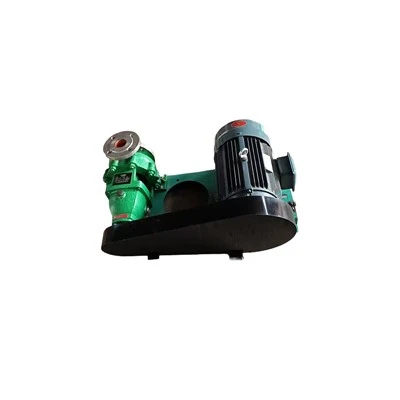
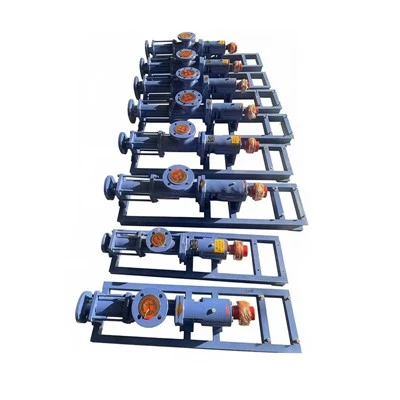
As a Sanitary Gear Pump supplier, we offer a wide range of pumps to meet different application requirements. Our product range includes Stainless Steel Gear Pump, which is made of high - quality stainless steel and is suitable for applications where corrosion resistance is required. We also have Paint Transfer Gear Pump, which is designed to handle paint and other viscous fluids.
In addition, our KCB Gear Pump is a popular choice for general - purpose applications, offering reliable performance and easy maintenance. Our High Flow Gear Pump is suitable for applications that require large flow rates, while our Lubricating Oil Gear Pump is designed to handle lubricating oils and other similar fluids.
Conclusion
Controlling the speed of a Sanitary Gear Pump is essential for optimizing its performance, ensuring product quality, and extending its lifespan. There are several methods available for speed control, each with its own advantages and limitations. When choosing a speed control method, it's important to consider factors such as fluid properties, system pressure, and pump capacity.
As a Sanitary Gear Pump supplier, we are committed to providing high - quality pumps and professional technical support. If you are interested in our products or have any questions about speed control of Sanitary Gear Pumps, please feel free to contact us for procurement and further discussions.
References
- "Pump Handbook" by Igor J. Karassik, Joseph P. Messina, Paul Cooper, and Charles C. Heald.
- "Fluid Mechanics and Hydraulic Machines" by R. K. Bansal.