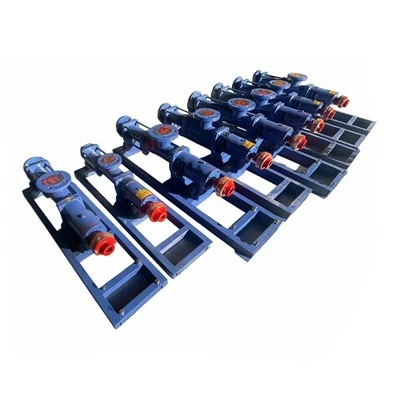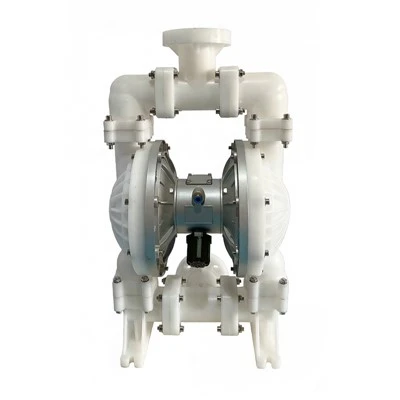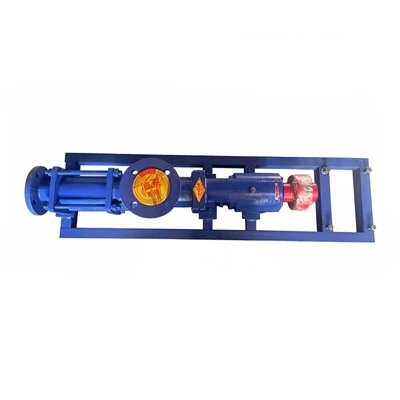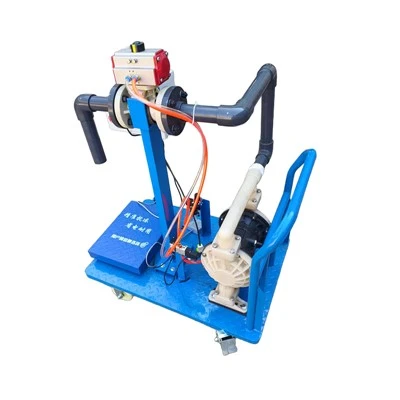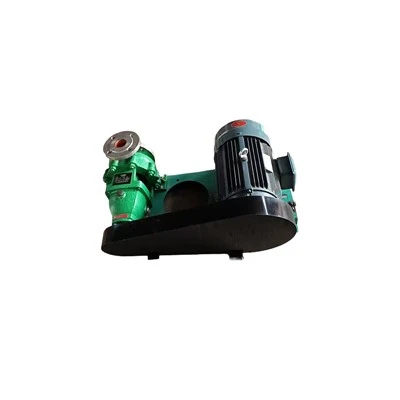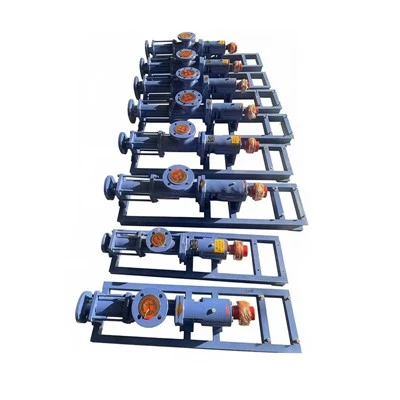
As a supplier of KCB Gear Pumps, I understand the critical importance of ensuring the reliability of these pumps. A reliable gear pump is the backbone of many industrial processes, and any failure can lead to costly downtime and production losses. In this blog post, I will share some key strategies and best practices to ensure the reliability of a KCB Gear Pump.
1. Proper Selection of the Pump
The first step in ensuring the reliability of a KCB Gear Pump is to select the right pump for the specific application. Consider the following factors:
- Flow Rate and Pressure Requirements: Determine the required flow rate and pressure for your application. The pump should be able to handle the specified flow rate and pressure without overloading.
- Fluid Properties: Consider the properties of the fluid being pumped, such as viscosity, temperature, and chemical compatibility. Different fluids may require different types of gear pumps. For example, a High Viscosity Gear Pump is designed to handle fluids with high viscosity.
- Operating Conditions: Take into account the operating conditions, such as the ambient temperature, altitude, and installation environment. These factors can affect the performance and reliability of the pump.
2. Quality Manufacturing and Materials
The quality of the manufacturing process and the materials used in the pump play a crucial role in its reliability. At our company, we adhere to strict quality control standards to ensure that our KCB Gear Pumps are manufactured to the highest quality.
- Precision Machining: The gears and other components of the pump are precision machined to ensure smooth operation and minimal wear. This helps to reduce the risk of breakdowns and extends the service life of the pump.
- High - Quality Materials: We use high - quality materials that are resistant to corrosion, wear, and fatigue. For example, the gears are often made of hardened steel or other alloys to withstand the high pressures and forces involved in pumping.
- Quality Assurance Testing: Each pump undergoes rigorous quality assurance testing before leaving the factory. This includes performance testing, leak testing, and durability testing to ensure that the pump meets the specified standards.
3. Installation and Commissioning
Proper installation and commissioning are essential for the reliable operation of a KCB Gear Pump.
- Correct Installation: Follow the manufacturer's installation instructions carefully. Ensure that the pump is installed in a stable and level position, and that all connections are tight and leak - free. Incorrect installation can lead to excessive vibration, noise, and premature wear of the pump components.
- Alignment: Proper alignment of the pump and the motor is crucial. Misalignment can cause increased stress on the bearings and shafts, leading to premature failure. Use alignment tools to ensure that the pump and the motor are aligned within the specified tolerances.
- Commissioning: During commissioning, fill the pump with the fluid to be pumped and prime it properly. Check for any leaks, abnormal noises, or vibrations. Adjust the operating parameters, such as the flow rate and pressure, to the desired values.
4. Regular Maintenance
Regular maintenance is the key to ensuring the long - term reliability of a KCB Gear Pump.
- Lubrication: Proper lubrication of the pump components is essential to reduce friction and wear. Follow the manufacturer's recommendations for the type and frequency of lubrication. Check the lubricant level regularly and change it as needed.
- Filter Replacement: Install filters in the system to remove contaminants from the fluid. Replace the filters at regular intervals to prevent clogging, which can reduce the pump's performance and cause damage to the components.
- Inspection and Cleaning: Regularly inspect the pump for signs of wear, damage, or leaks. Clean the pump and its components to remove any dirt, debris, or deposits. This helps to maintain the pump's efficiency and reliability.
- Component Replacement: Replace worn or damaged components in a timely manner. This includes gears, bearings, seals, and gaskets. Using genuine replacement parts ensures compatibility and reliability.
5. Monitoring and Condition - Based Maintenance
Implementing a monitoring system can help to detect potential problems before they lead to a breakdown.
- Performance Monitoring: Monitor the pump's performance parameters, such as flow rate, pressure, temperature, and power consumption. Any significant changes in these parameters may indicate a problem with the pump.
- Vibration Analysis: Vibration analysis can be used to detect early signs of wear, misalignment, or other mechanical problems. Regularly measure the vibration levels of the pump and compare them to the baseline values.
- Condition - Based Maintenance: Based on the monitoring results, schedule maintenance activities as needed. This approach, known as condition - based maintenance, can help to optimize maintenance resources and reduce downtime.
6. Training and Operator Awareness
Proper training of the operators is essential for the reliable operation of the KCB Gear Pump.
- Operator Training: Provide comprehensive training to the operators on the operation, maintenance, and safety procedures of the pump. This includes how to start and stop the pump, how to monitor its performance, and how to perform basic maintenance tasks.
- Operator Awareness: Encourage the operators to be aware of the pump's condition and to report any abnormal signs or symptoms immediately. This can help to prevent minor problems from escalating into major breakdowns.
7. Technical Support and Spare Parts Availability
As a KCB Gear Pump supplier, we offer technical support to our customers.


- Technical Support: Our team of experienced engineers is available to provide technical assistance and troubleshooting support. Whether it's a problem with the pump's installation, operation, or maintenance, we can offer solutions to ensure the reliable operation of the pump.
- Spare Parts Availability: We maintain a stock of spare parts to ensure quick replacement in case of a breakdown. This helps to minimize downtime and keep the production process running smoothly.
In addition to the above strategies, there are also different types of KCB Gear Pumps available to meet various application needs. For example, Magnetic Drive Gear Pump is suitable for applications where leakage prevention is critical. Manual Gear Pump can be used in situations where a simple and cost - effective pumping solution is required. Electric Gear Pump offers high - efficiency and automated operation. High Temperature Gear Pump is designed to handle fluids at high temperatures.
If you are in the market for a reliable KCB Gear Pump or need assistance with ensuring the reliability of your existing pump, we are here to help. Our team of experts can work with you to select the right pump, provide installation and maintenance support, and offer technical advice. Contact us to start a procurement discussion and find the best solution for your needs.
References
- "Gear Pump Handbook", Industrial Pump Manufacturers Association
- "Pump Installation and Maintenance Guide", Pump Industry Journal