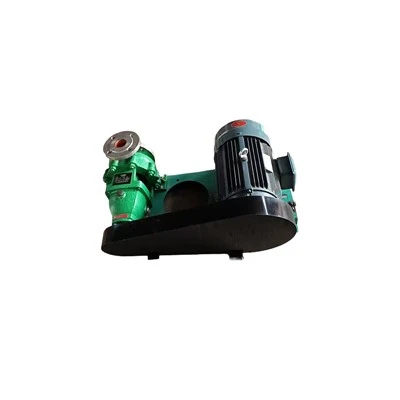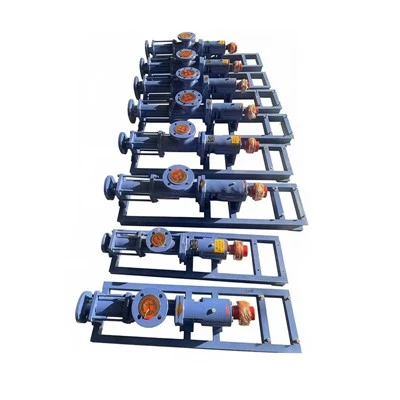
Calculating the power requirements of a Cam Rotor Pump is crucial for ensuring its efficient operation and proper sizing for a given application. As a supplier of Cam Rotor Pumps, I understand the importance of accurate power calculations to meet the diverse needs of our customers. In this blog post, I will guide you through the process of calculating the power requirements of a Cam Rotor Pump, providing you with the necessary knowledge to make informed decisions for your pumping systems.
Understanding the Basics of a Cam Rotor Pump
Before delving into the power calculation process, it is essential to have a basic understanding of how a Cam Rotor Pump works. A Cam Rotor Pump is a positive displacement pump that uses a pair of rotating cams to transfer fluid. The cams are designed to mesh together, creating chambers that trap and move the fluid from the suction side to the discharge side of the pump. This type of pump is known for its ability to handle a wide range of viscosities and provide a consistent flow rate regardless of the pressure.
Factors Affecting Power Requirements
Several factors influence the power requirements of a Cam Rotor Pump. These factors include:
- Flow Rate: The flow rate is the volume of fluid that the pump needs to transfer per unit of time. Higher flow rates generally require more power to operate the pump.
- Pressure: The pressure is the force required to move the fluid through the system. Higher pressures also demand more power from the pump.
- Viscosity: The viscosity of the fluid affects its resistance to flow. More viscous fluids require more power to pump compared to less viscous fluids.
- Pump Efficiency: The efficiency of the pump is a measure of how effectively it converts input power into hydraulic power. A less efficient pump will require more power to achieve the same flow rate and pressure as a more efficient pump.
- Mechanical Losses: Mechanical losses in the pump, such as friction in the bearings and seals, also contribute to the overall power requirements.
Calculating the Power Requirements
The power requirements of a Cam Rotor Pump can be calculated using the following formula:
[P = \frac{Q \times \Delta P}{\eta_{pump} \times \eta_{motor}}]


where:
- (P) is the power required in kilowatts (kW)
- (Q) is the flow rate in cubic meters per hour ((m^3/h))
- (\Delta P) is the differential pressure in pascals (Pa)
- (\eta_{pump}) is the pump efficiency (expressed as a decimal)
- (\eta_{motor}) is the motor efficiency (expressed as a decimal)
Let's break down the steps for calculating the power requirements:
Step 1: Determine the Flow Rate
The flow rate is determined by the specific application requirements. It can be measured in various units, such as liters per minute (L/min), gallons per minute (GPM), or cubic meters per hour ((m^3/h)). Make sure to convert the flow rate to cubic meters per hour if it is given in a different unit.
Step 2: Calculate the Differential Pressure
The differential pressure is the difference between the discharge pressure and the suction pressure of the pump. It can be measured using pressure gauges or calculated based on the system requirements. The differential pressure is typically expressed in pascals (Pa), but it can also be converted to other units, such as bar or psi.
Step 3: Determine the Pump Efficiency
The pump efficiency is a characteristic of the pump itself and is usually provided by the manufacturer. It represents the ratio of the hydraulic power output to the mechanical power input. The pump efficiency can range from around 50% to 80%, depending on the pump design and operating conditions.
Step 4: Determine the Motor Efficiency
The motor efficiency is a measure of how effectively the motor converts electrical power into mechanical power. It is also provided by the motor manufacturer and typically ranges from 80% to 95%, depending on the motor type and size.
Step 5: Calculate the Power Requirements
Once you have determined the flow rate, differential pressure, pump efficiency, and motor efficiency, you can use the formula mentioned earlier to calculate the power requirements of the Cam Rotor Pump.
Example Calculation
Let's assume we have a Cam Rotor Pump with the following specifications:
- Flow rate ((Q)): 10 (m^3/h)
- Differential pressure ((\Delta P)): 200,000 Pa
- Pump efficiency ((\eta_{pump})): 0.7
- Motor efficiency ((\eta_{motor})): 0.9
Using the formula, we can calculate the power requirements as follows:
[P = \frac{10 \times 200000}{0.7 \times 0.9} \approx 317460.32\ W \approx 317.46\ kW]
Importance of Accurate Power Calculation
Accurate power calculation is essential for several reasons:
- Energy Efficiency: By calculating the power requirements accurately, you can select a pump and motor combination that is appropriately sized for your application. This helps to minimize energy consumption and reduce operating costs.
- System Performance: A properly sized pump ensures that the system operates at its optimal performance. It can prevent issues such as cavitation, excessive wear, and reduced flow rates, which can lead to system failures and downtime.
- Cost Savings: Choosing the right pump and motor based on accurate power calculations can save you money in the long run. It reduces the need for frequent repairs and replacements, as well as the cost of energy consumption.
Our Cam Rotor Pump Offerings
As a supplier of Cam Rotor Pumps, we offer a wide range of pumps to meet the diverse needs of our customers. Our pumps are designed to provide reliable and efficient performance in various applications, including food and beverage, pharmaceutical, chemical, and wastewater treatment.
We offer Stainless Steel Lobe Pumps that are made from high-quality stainless steel, ensuring corrosion resistance and durability. These pumps are suitable for applications where hygiene and cleanliness are critical.
Our Sanitary Rotary Lobe Pump is specifically designed for the food and beverage industry. It meets the strictest sanitary standards and is easy to clean and maintain.
For applications involving high-viscosity fluids, we offer High Viscosity Lobe Pump. These pumps are capable of handling fluids with viscosities up to several thousand centipoise.
You can explore our full range of Cam Rotor Pump products on our website.
Conclusion
Calculating the power requirements of a Cam Rotor Pump is a complex process that requires careful consideration of various factors. By following the steps outlined in this blog post, you can accurately calculate the power requirements and select the right pump and motor combination for your application.
If you have any questions or need further assistance with calculating the power requirements of a Cam Rotor Pump or choosing the right pump for your application, please feel free to contact us. Our team of experts is always ready to help you make the best decision for your pumping needs. Let's start a conversation about how our Cam Rotor Pumps can meet your requirements and improve the efficiency of your processes.
References
- Burkhardt, G. (2017). Positive Displacement Pumps: Fundamentals and Applications. Elsevier.
- Centrifugal and Positive Displacement Pumps: Analysis, Selection, and Application. (2019). API Technical Publications.
- Karassik, I. J., Messina, J. P., Cooper, P. T., & Heald, C. C. (2008). Pump Handbook. McGraw-Hill Professional.