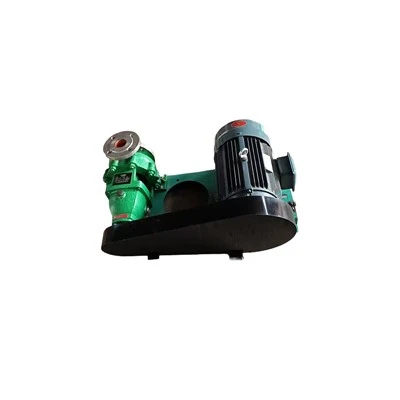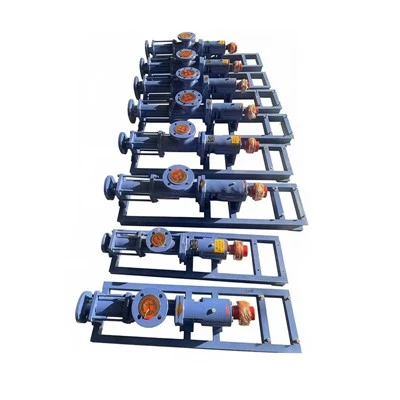
Yo! As a supplier of KCB Gear Pumps, I've seen firsthand how fluid viscosity can really mess with these pumps' performance. Let's dig into this topic and see what's going on.
First off, what is fluid viscosity? In simple terms, viscosity is a fluid's resistance to flow. Think of it like this: honey is way more viscous than water. Honey is thick and flows slowly, while water is thin and flows easily. Now, when we're talking about KCB Gear Pumps, this property of the fluid can have a huge impact.
Let's start with the good effects of high - viscosity fluids in a KCB Gear Pump. When the fluid has a high viscosity, it can actually form a better seal between the gears and the pump housing. This means less leakage. You know, leaks can be a real pain in the butt because they reduce the efficiency of the pump. With a high - viscosity fluid, the fluid fills in those small gaps between the gears and the housing, creating a kind of natural barrier. This results in a more consistent flow rate and better volumetric efficiency. For example, in applications like High Viscosity Gear Pump, where the fluid is thick, this sealing effect is super important.
Another benefit of high - viscosity fluids is that they can reduce wear and tear on the pump components. The thick fluid acts as a lubricant between the gears. When the gears mesh and rotate, the high - viscosity fluid cushions the contact points. This reduces friction and wear, which in turn extends the lifespan of the pump. So, if you're using a KCB Gear Pump in an industrial setting where long - term reliability is crucial, a high - viscosity fluid might be your best bet.
But it's not all sunshine and rainbows. High - viscosity fluids also bring some challenges. One of the major issues is that they require more power to pump. You see, since the fluid is thick and resists flow, the pump has to work harder to move it. This means you need a more powerful motor to drive the pump. And that's not just more expensive in terms of the initial motor cost, but it also leads to higher energy consumption over time. If you're worried about your electricity bills or have limited power available, high - viscosity fluids can be a real headache.
Also, high - viscosity fluids can cause problems with the suction performance of the pump. The pump's ability to draw in fluid from the source depends on its suction capacity. When the fluid is too thick, it can be difficult for the pump to create enough suction to pull the fluid in. This can result in cavitation. Cavitation is when bubbles form in the fluid due to low pressure, and then these bubbles collapse suddenly. This collapsing action can damage the pump impellers and other components over time.
On the other hand, low - viscosity fluids have their own set of characteristics. Low - viscosity fluids are easy to pump. They flow freely, so the pump doesn't need as much power to move them. This can be great for applications where energy efficiency is a top priority. For instance, in Hydraulic Gear Pump systems, where quick and efficient fluid movement is crucial, low - viscosity fluids are often used.
However, low - viscosity fluids also have their downsides. Since they flow so easily, they don't form a good seal between the gears and the pump housing. This leads to more leakage, which reduces the pump's volumetric efficiency. The flow rate can become inconsistent, and you might not get the performance you need. Also, low - viscosity fluids don't provide as much lubrication as high - viscosity ones. This means there's more friction between the pump components, which can lead to increased wear and a shorter pump lifespan.
Now, let's talk about how to deal with different fluid viscosities in a KCB Gear Pump. One of the key things is to choose the right pump size and design for the specific fluid. For high - viscosity fluids, you might need a pump with larger gears and a more powerful motor. The pump should also be able to handle the increased pressure required to move the thick fluid. On the other hand, for low - viscosity fluids, a smaller and more efficient pump design might be sufficient.
Another important factor is the operating temperature. Viscosity is temperature - dependent. As the temperature increases, the viscosity of most fluids decreases. So, if you're using a high - viscosity fluid, you might be able to reduce the pumping power required by heating the fluid slightly. But be careful not to overheat it, as this can cause other problems like fluid degradation.
In some applications, you might need to use additives to modify the fluid's viscosity. These additives can either increase or decrease the viscosity, depending on your needs. However, using additives also has to be done carefully, as they can sometimes react with the fluid or the pump components.
Finally, regular maintenance is essential. No matter what the viscosity of the fluid is, you need to keep an eye on the pump's performance. Check for leaks, monitor the flow rate, and listen for any unusual noises. If you notice any problems, address them right away. This can help prevent major breakdowns and extend the life of your pump.
We offer a wide range of KCB Gear Pumps that are designed to handle different fluid viscosities. Whether you need a Paint Transfer Gear Pump for high - viscosity paint or an Explosion Proof Gear Pump for a hazardous environment with low - viscosity fluids, we've got you covered. And if you're looking for a pump with adjustable performance, our Variable Displacement Gear Pump might be exactly what you need.
If you're in the market for a KCB Gear Pump, or you have questions about how fluid viscosity affects pump performance, don't hesitate to contact us. We're here to help you find the right solution for your specific needs.

References
- "Pump Handbook" by Igor J. Karassik et al.
- "Fluid Mechanics and Hydraulics" by R. C. Hibbeler.