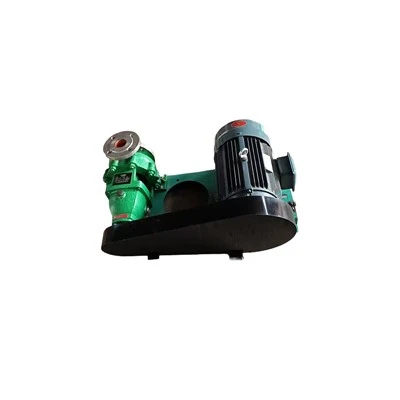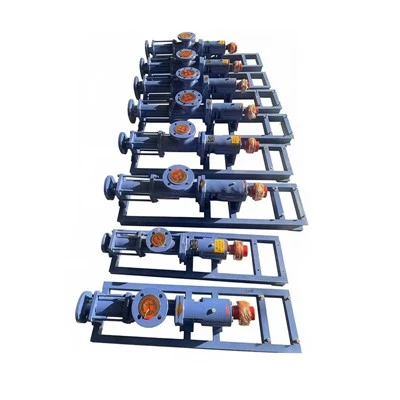
Can a screw pump handle abrasive fluids? This is a question that often comes up in industrial settings, especially when dealing with challenging fluid transfer applications. As a screw pump supplier, I've encountered this query numerous times, and I'm here to provide a comprehensive answer based on scientific knowledge and real - world experience.
Understanding Screw Pumps
Screw pumps are positive displacement pumps that use one or more screws to move fluid along the screw axis. The basic principle involves the rotation of the screws, which create cavities that trap and transport the fluid from the inlet to the outlet. There are different types of screw pumps, including single - screw, twin - screw, and triple - screw pumps. Each type has its own unique characteristics and is suitable for different applications. For more information on industrial screw pumps, you can visit Industrial Screw Pumps.
Abrasive Fluids: What Are They?
Abrasive fluids contain solid particles that can cause wear and tear on the pump components. These particles can be of various sizes and hardness, and they are often found in industries such as mining, construction, and wastewater treatment. Examples of abrasive fluids include slurries, mud, and wastewater with sand or grit.
Challenges of Handling Abrasive Fluids
When a pump is used to handle abrasive fluids, several challenges arise. The most significant one is the wear of the pump's internal components. The solid particles in the fluid can scrape against the surfaces of the screws, housings, and seals, leading to erosion and reduced pump efficiency. Over time, this wear can cause leaks, decreased flow rates, and even pump failure.

Another challenge is the potential for clogging. If the solid particles are too large or if there is a high concentration of them, they can block the flow passages in the pump, preventing the proper movement of the fluid. This can result in increased pressure, which may damage the pump or other parts of the system.
Can Screw Pumps Handle Abrasive Fluids?
The answer is yes, but with some limitations. Screw pumps can handle abrasive fluids to a certain extent, depending on the type of screw pump, the characteristics of the abrasive fluid, and the design features of the pump.
Type of Screw Pump
- Triple - Screw Pumps: These pumps are generally not well - suited for highly abrasive fluids. Triple - screw pumps have a relatively tight clearance between the screws and the housing, which makes them more susceptible to wear from abrasive particles. However, they can handle fluids with a low concentration of fine particles. For more details on triple - screw pumps, visit Triple Screw Pump.
- Twin - Screw Pumps: Twin - screw pumps can handle a wider range of abrasive fluids compared to triple - screw pumps. They have a larger clearance between the screws, which allows for the passage of larger particles. Additionally, twin - screw pumps can be designed with features such as hardened surfaces and replaceable wear parts to increase their resistance to abrasion. The Hyghspin Twin Screw Pump is an example of a twin - screw pump that can be customized for abrasive fluid applications.
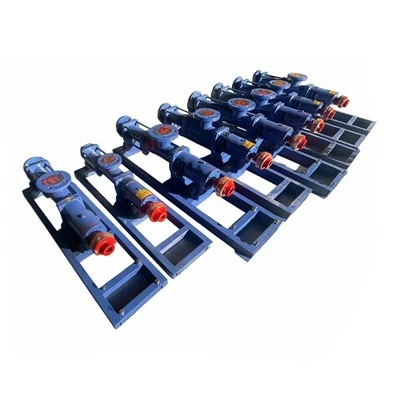
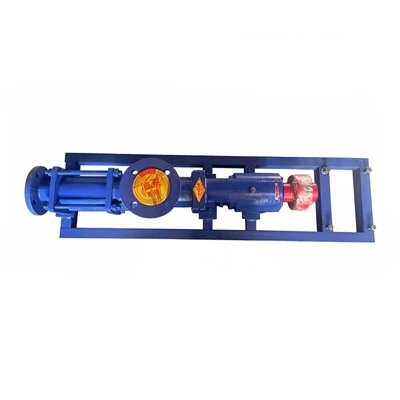
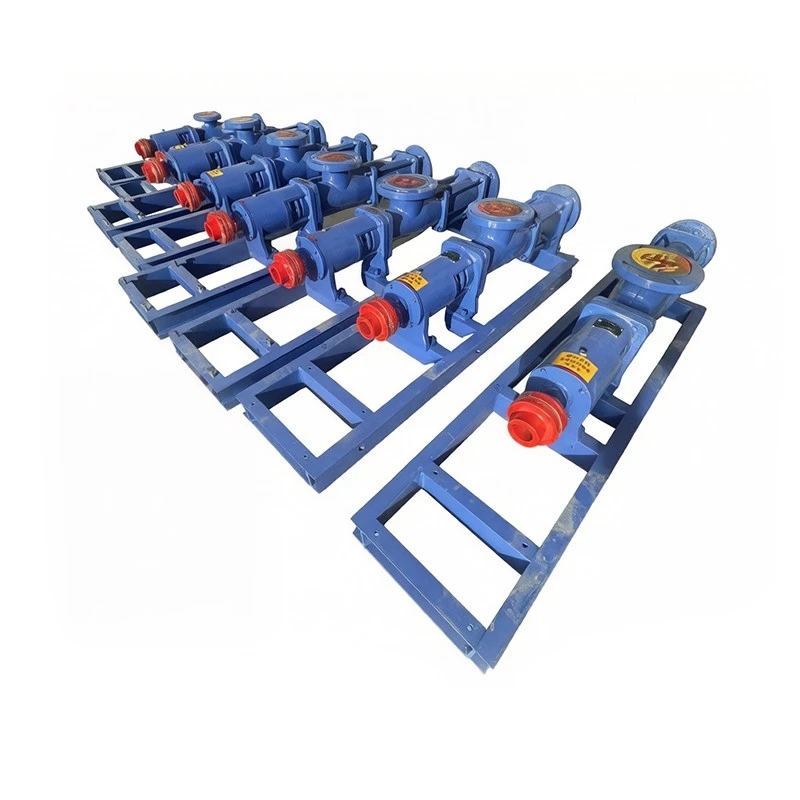
- Single - Screw Pumps: Single - screw pumps are often the best choice for handling highly abrasive fluids. They have a flexible stator that can accommodate large particles without getting damaged easily. The single - screw design also allows for a smooth flow of the fluid, reducing the risk of clogging.
Characteristics of the Abrasive Fluid
The size, hardness, and concentration of the solid particles in the abrasive fluid play a crucial role in determining whether a screw pump can handle it. Generally, screw pumps can handle fluids with relatively small and soft particles better than those with large and hard particles. For example, a screw pump may be able to handle a slurry with fine sand particles but may struggle with a fluid containing large chunks of rock.
Design Features of the Pump
To improve the ability of a screw pump to handle abrasive fluids, several design features can be incorporated:
- Hardened Materials: Using materials such as hardened steel or ceramic for the pump components can increase their resistance to wear. For instance, a Stainless Steel Screw Pump can be made from high - grade stainless steel that is more resistant to abrasion.
- Replaceable Wear Parts: Designing the pump with replaceable wear parts allows for easy maintenance and replacement when the parts are worn out. This reduces the downtime of the pump and extends its service life.
- Larger Clearances: Increasing the clearance between the screws and the housing can prevent the solid particles from getting trapped and causing excessive wear.
Case Studies
Let's look at some real - world examples of screw pumps handling abrasive fluids:
- Mining Industry: In a gold mining operation, a single - screw pump was used to transfer a slurry containing gold ore and sand. The pump was designed with a hardened stator and a replaceable rotor, which allowed it to handle the abrasive fluid for an extended period without significant wear. The smooth flow of the single - screw design also prevented clogging, ensuring continuous operation.
- Wastewater Treatment: A twin - screw pump was installed in a wastewater treatment plant to handle wastewater with a high concentration of grit. The pump was equipped with replaceable wear plates and a larger clearance between the screws, which enabled it to handle the abrasive fluid effectively. The pump's efficiency was maintained over time, and the need for frequent maintenance was reduced.
Maintenance and Monitoring
To ensure the long - term performance of a screw pump when handling abrasive fluids, proper maintenance and monitoring are essential. Regular inspection of the pump components, such as the screws, seals, and stators, can help detect signs of wear early. If any wear is detected, the worn parts should be replaced immediately to prevent further damage.
Monitoring the pump's performance parameters, such as flow rate, pressure, and power consumption, can also provide valuable information about the pump's condition. Any significant changes in these parameters may indicate a problem with the pump, such as clogging or excessive wear.
Conclusion
In conclusion, screw pumps can handle abrasive fluids, but the success depends on various factors, including the type of screw pump, the characteristics of the abrasive fluid, and the design features of the pump. As a screw pump supplier, we offer a wide range of screw pumps that can be customized to meet the specific requirements of abrasive fluid applications. Whether you need a Micro Screw Pump for a small - scale operation or a large - scale industrial screw pump, we have the expertise and products to help you.
If you are facing challenges in handling abrasive fluids and are interested in learning more about our screw pumps, we invite you to contact us for a procurement discussion. Our team of experts will be happy to assist you in selecting the right pump for your application and providing you with all the necessary technical support.
References
- "Positive Displacement Pumps: Principles and Applications" by John F. Durand
- "Handbook of Industrial Pump Technology" by Heinz P. Bloch and Allan R. Budris
- Industry research reports on screw pump applications in abrasive fluid handling