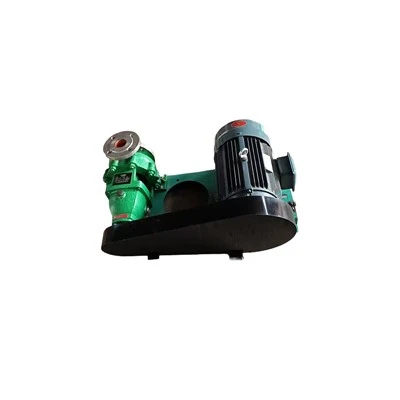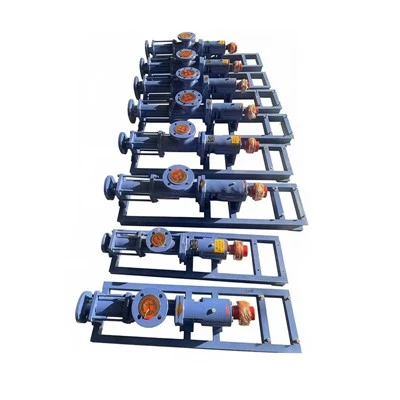
As a leading supplier of high precision gear pumps, I understand the critical importance of proper installation in a pipeline system. A high precision gear pump is a sophisticated piece of equipment designed to deliver accurate and consistent fluid transfer. Incorrect installation can lead to a range of issues, including reduced performance, premature wear, and even system failures. In this blog, I will discuss the key installation requirements for a high precision gear pump in a pipeline system.
1. Site Selection and Preparation
The first step in installing a high precision gear pump is to choose an appropriate site. The location should be clean, dry, and well - ventilated. Excessive dust, moisture, and heat can all have a negative impact on the pump's performance and lifespan.
The floor or mounting surface must be flat and level. Any unevenness can cause misalignment of the pump, leading to increased vibration and wear on the gears and bearings. Before mounting the pump, it is essential to clean the mounting surface thoroughly to remove any debris or contaminants.
2. Pump Mounting
When mounting the high precision gear pump, it is crucial to follow the manufacturer's instructions precisely. The pump should be securely fastened to the mounting base using the appropriate bolts and washers. Over - tightening or under - tightening the bolts can cause problems. Over - tightening may distort the pump housing, while under - tightening can result in the pump moving during operation, leading to misalignment.
Alignment is another critical aspect of pump mounting. The pump shaft must be accurately aligned with the drive shaft. Misalignment can cause excessive stress on the bearings, seals, and gears, leading to premature failure. Laser alignment tools are often used to ensure precise alignment.
3. Pipeline Connection
Inlet Pipeline
The inlet pipeline should be of sufficient diameter to ensure a smooth and unrestricted flow of fluid into the pump. A small - diameter inlet pipe can create excessive suction resistance, which can lead to cavitation. Cavitation occurs when the pressure at the pump inlet drops below the vapor pressure of the fluid, causing the formation of vapor bubbles. When these bubbles collapse, they can cause severe damage to the pump components.
The inlet pipeline should also be free of any sharp bends or restrictions. Gentle bends with a radius of at least five times the pipe diameter are recommended. Additionally, the inlet pipe should be installed with a slight upward slope towards the pump to prevent air from being trapped in the pipeline.


Outlet Pipeline
The outlet pipeline should be sized to handle the pump's flow rate and pressure. It should be designed to minimize pressure losses. Similar to the inlet pipeline, sharp bends and restrictions in the outlet pipeline should be avoided. A properly sized and installed outlet pipeline ensures that the pump can operate at its optimal efficiency.
It is also important to install a check valve in the outlet pipeline. The check valve prevents the back - flow of fluid when the pump is stopped, which can damage the pump and cause system instability.
4. Fluid Compatibility
When installing a high precision gear pump, it is essential to ensure that the pump materials are compatible with the fluid being pumped. Different fluids have different chemical properties, and using a pump with incompatible materials can lead to corrosion, erosion, and seal failures.
For example, if you are pumping a corrosive fluid, you may need to choose a Stainless Steel Gear Pump. Stainless steel is highly resistant to corrosion and can withstand the harsh chemical environment. On the other hand, if you need a pump for a specific application where low - density or non - corrosive fluids are involved, a Bronze Gear Pump might be a suitable choice.
5. Lubrication and Sealing
Proper lubrication is vital for the smooth operation of a high precision gear pump. The gears and bearings need to be lubricated to reduce friction and wear. The type of lubricant used should be compatible with the fluid being pumped and the operating conditions of the pump.
Sealing is also a critical factor. The pump must be properly sealed to prevent fluid leakage. Leakage can not only lead to fluid loss but also pose a safety hazard. The seals used in high precision gear pumps are designed to provide a tight and reliable seal. However, it is important to ensure that the seals are installed correctly and are in good condition.
6. Electrical and Control System Installation
If the high precision gear pump is electrically driven, the electrical installation must comply with all relevant electrical codes and standards. The wiring should be properly sized and protected to prevent electrical failures.
A control system may also be required to regulate the pump's speed, flow rate, and pressure. The control system should be installed and calibrated correctly to ensure accurate and reliable operation of the pump.
7. Testing and Commissioning
After the installation is complete, the pump should be thoroughly tested before being put into full - time operation. The testing process typically includes a visual inspection of all components, checking for proper alignment, and ensuring that all connections are tight.
The pump should then be primed to remove any air from the system. Priming is essential for the proper operation of the pump, especially for self - priming pumps. Once the pump is primed, it can be started and run at low speed to check for any abnormal noises, vibrations, or leaks.
The flow rate and pressure of the pump should be measured and compared with the manufacturer's specifications. If any discrepancies are found, the pump should be adjusted accordingly.
8. Different Types of High Precision Gear Pumps and Their Specific Installation Considerations
Fixed Displacement Gear Pump
A Fixed Displacement Gear Pump delivers a constant volume of fluid per revolution. During installation, it is important to ensure that the system can handle the fixed flow rate. The pipeline system should be designed to accommodate the pump's output without causing excessive pressure buildup.
Pneumatic Gear Pump
A Pneumatic Gear Pump is driven by compressed air. When installing a pneumatic gear pump, the air supply system must be properly sized and installed. The air pressure and flow rate should be adjusted according to the pump's requirements. Additionally, the air supply should be clean and dry to prevent damage to the pump's internal components.
High Flow Gear Pump
A High Flow Gear Pump is designed to deliver a large volume of fluid. The installation of a high - flow gear pump requires larger - diameter pipelines to handle the higher flow rate. The pump's mounting and alignment are also crucial to ensure stable and reliable operation under high - flow conditions.
In conclusion, the installation of a high precision gear pump in a pipeline system is a complex process that requires careful planning and attention to detail. By following the installation requirements outlined above, you can ensure that your pump operates efficiently and reliably, minimizing downtime and maintenance costs.
If you are in the market for a high precision gear pump or need further assistance with pump installation, please feel free to contact us. Our team of experts is ready to provide you with the best solutions and support for your specific needs.
References
- "Pump Handbook" by Igor J. Karassik, Joseph P. Messina, Paul Cooper, and Charles C. Heald.
- Manufacturer's installation manuals for high precision gear pumps.