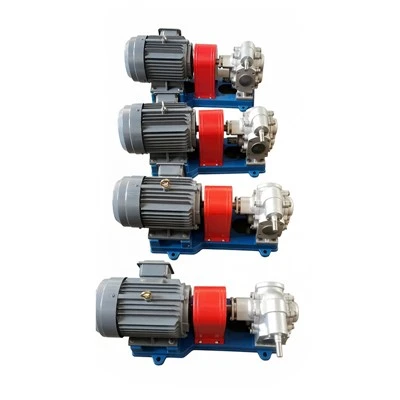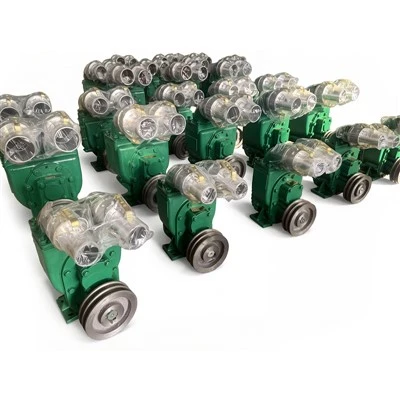
As a seasoned supplier of KCB Gear Pumps, I've witnessed firsthand the profound impact that the housing of these pumps can have on their performance. In the world of fluid transfer and industrial applications, the KCB Gear Pump stands out for its reliability and efficiency. However, the role of the housing is often overlooked, yet it plays a crucial part in determining the overall effectiveness of the pump.
The Basics of a KCB Gear Pump
Before delving into the effects of the housing, let's briefly understand the basic operation of a KCB Gear Pump. These pumps are positive displacement pumps that use two meshing gears to transfer fluid. As the gears rotate, they create a vacuum at the inlet, drawing in the fluid. The fluid is then trapped between the gear teeth and the pump housing and carried to the outlet. The meshing of the gears at the outlet side forces the fluid out of the pump.
The housing of a KCB Gear Pump serves several essential functions. It provides a rigid structure to support the gears and other internal components, ensures proper alignment of the gears, and contains the fluid within the pump. Additionally, the housing helps to dissipate heat generated during the pumping process and protects the internal components from external contaminants.
Impact of Housing Material on Performance
The material used for the housing is a critical factor that can significantly affect the performance of a KCB Gear Pump. Different materials offer various properties such as strength, corrosion resistance, and thermal conductivity.
Cast Iron Housing
Cast Iron Gear Pump is a popular choice for KCB Gear Pumps due to its high strength and durability. Cast iron can withstand high pressures and is resistant to wear and tear, making it suitable for demanding applications. It also has good thermal conductivity, which helps in dissipating heat generated during operation. However, cast iron is prone to corrosion, especially in environments where the fluid contains corrosive substances. To mitigate this, coatings or linings can be applied to the housing to enhance its corrosion resistance.
Stainless Steel Housing
Stainless steel is another commonly used material for KCB Gear Pump housings. It offers excellent corrosion resistance, making it ideal for applications where the fluid is corrosive or where the pump is exposed to harsh environments. Stainless steel also has good strength and is relatively lightweight compared to cast iron. However, it is generally more expensive than cast iron, which can be a limiting factor in some cost - sensitive applications.
Aluminum Housing
Aluminum housings are lightweight and have good thermal conductivity. They are often used in applications where weight is a critical factor, such as in mobile equipment. However, aluminum is not as strong as cast iron or stainless steel and may not be suitable for high - pressure applications. Additionally, aluminum can be prone to galling and corrosion, depending on the fluid being pumped.
Influence of Housing Design on Performance
The design of the housing also plays a vital role in the performance of a KCB Gear Pump. The shape and dimensions of the housing can affect the flow characteristics of the fluid, the efficiency of the pump, and the noise level during operation.
Clearance between Gears and Housing
The clearance between the gears and the housing is a critical design parameter. If the clearance is too large, the fluid can leak back from the outlet to the inlet, reducing the pump's volumetric efficiency. On the other hand, if the clearance is too small, it can cause excessive friction between the gears and the housing, leading to increased wear and tear, higher energy consumption, and potential overheating of the pump. Therefore, the clearance must be carefully designed and maintained to ensure optimal performance.
Inlet and Outlet Port Design
The design of the inlet and outlet ports can significantly affect the flow of fluid into and out of the pump. A well - designed inlet port should minimize turbulence and ensure a smooth flow of fluid into the pump. Similarly, the outlet port should be designed to efficiently discharge the fluid without causing excessive backpressure. Poorly designed ports can lead to cavitation, which is the formation and collapse of vapor bubbles in the fluid. Cavitation can cause damage to the pump components, reduce the pump's performance, and increase noise levels.
Housing Shape and Volume
The shape and volume of the housing can also impact the pump's performance. A housing with a larger volume can accommodate more fluid, which may be beneficial for applications that require high flow rates. However, a larger housing may also increase the weight and cost of the pump. The shape of the housing can also affect the flow pattern of the fluid inside the pump, which can influence the efficiency and noise level of the pump.
Effects on Pump Efficiency
The housing of a KCB Gear Pump has a direct impact on its efficiency. As mentioned earlier, proper housing design and material selection can minimize internal leakage, reduce friction, and optimize the flow of fluid through the pump. This, in turn, improves the volumetric efficiency of the pump, which is the ratio of the actual flow rate to the theoretical flow rate. A higher volumetric efficiency means that the pump can transfer more fluid with less energy input, resulting in lower operating costs.
In addition to volumetric efficiency, the housing can also affect the mechanical efficiency of the pump. By reducing friction between the gears and the housing and ensuring proper alignment of the components, the housing can help to minimize mechanical losses, such as power losses due to bearing friction and seal drag. This leads to a more efficient transfer of power from the motor to the fluid, further improving the overall efficiency of the pump.
Impact on Noise and Vibration
The housing can also play a significant role in reducing noise and vibration levels during the operation of a KCB Gear Pump. A well - designed housing with proper damping characteristics can absorb and dissipate the vibrations generated by the pump's internal components. This helps to reduce the transmission of vibrations to the surrounding environment, which can improve the working conditions and reduce the risk of damage to other equipment.
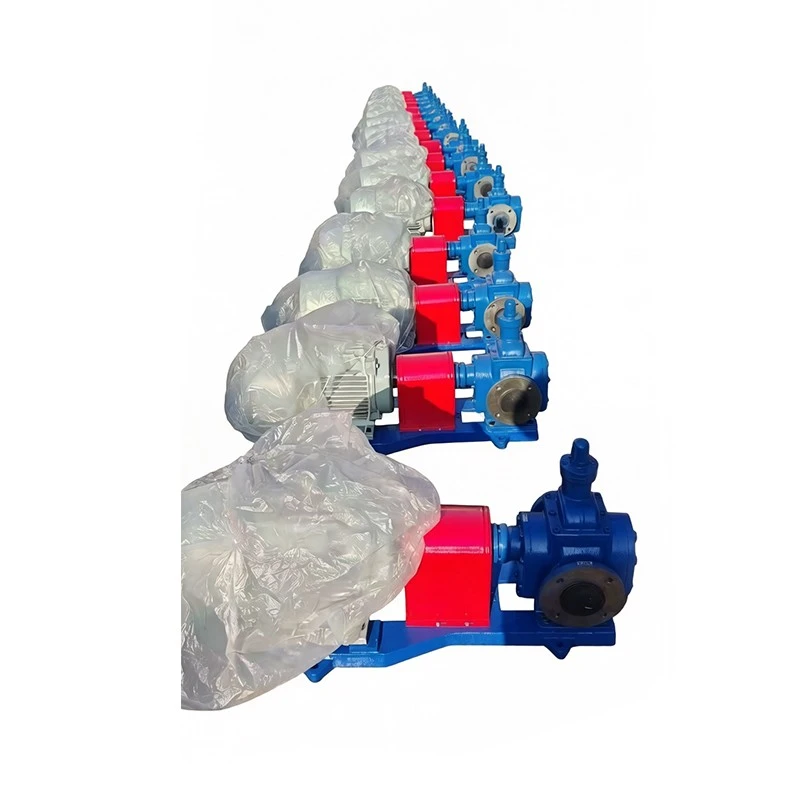
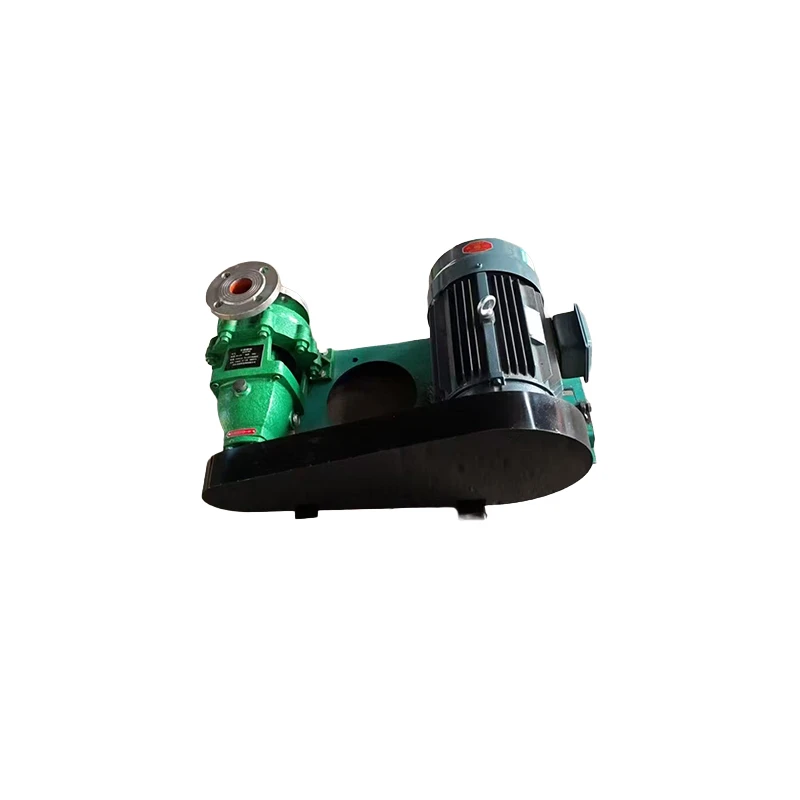
Noise is often a concern in industrial applications, especially in areas where noise regulations are strict. By minimizing cavitation and reducing the impact of fluid flow on the housing, the housing can help to reduce the noise level of the pump. This can be achieved through proper design of the inlet and outlet ports, as well as the use of noise - absorbing materials in the housing construction.
Other Product Offerings
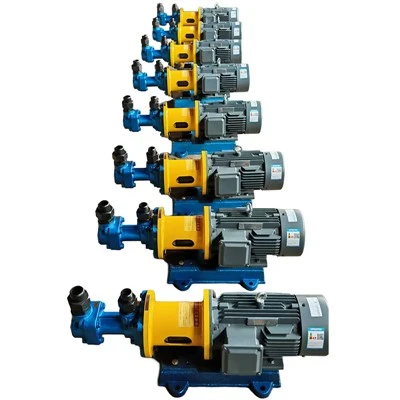
In addition to our KCB Gear Pumps, we also offer a range of other gear pumps to meet the diverse needs of our customers. Our Magnetic Drive Gear Pump is a popular choice for applications where leak - free operation is critical, such as in the chemical and pharmaceutical industries. The Paint Transfer Gear Pump is specifically designed for transferring paint and other high - viscosity fluids, ensuring smooth and efficient operation. Our Electric Gear Pump provides a convenient and reliable solution for applications where an electric power source is available. And for applications requiring the handling of high - viscosity fluids, our High Viscosity Gear Pump is the ideal choice.
Contact for Purchase
If you are interested in our KCB Gear Pumps or any of our other pump products, we invite you to engage in a procurement discussion. Our experienced team is ready to provide you with detailed product information, technical support, and competitive pricing. Whether you have a specific application in mind or need help in selecting the right pump for your needs, we are here to assist you.
References
- "Principles of Positive Displacement Pumps" - Hydraulic Institute.
- "Materials Selection for Pump Housings" - Journal of Fluid Engineering.
- "Design Considerations for Gear Pumps" - International Journal of Pumps and Systems.