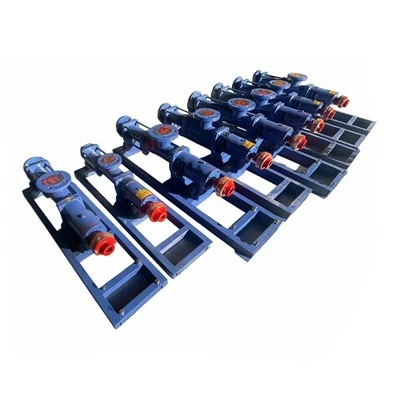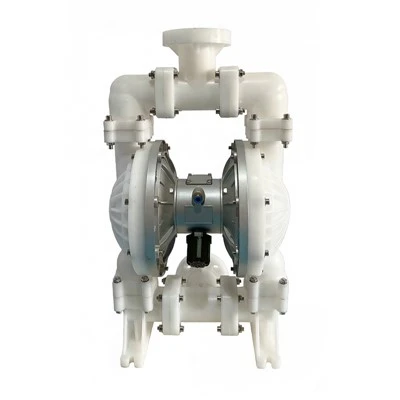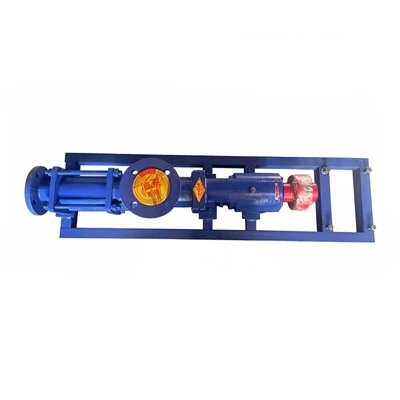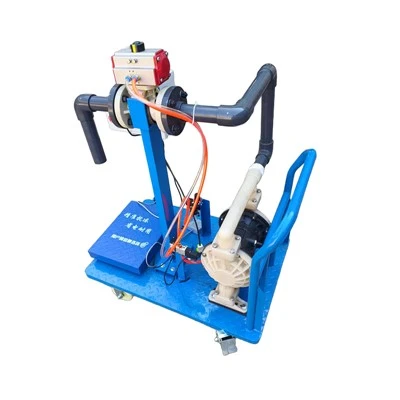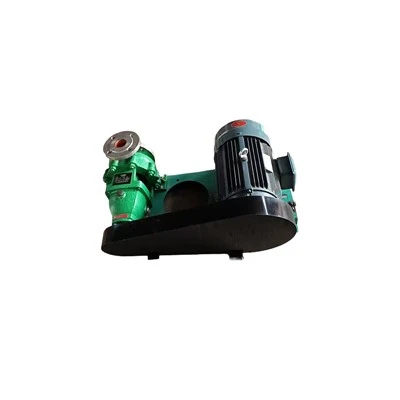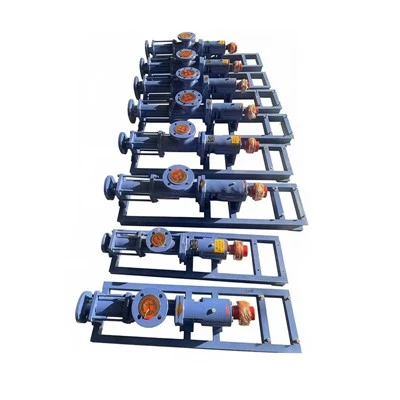
Hey there! As a supplier of stainless steel gear pumps, I've seen firsthand how fluid density can throw a wrench in the works if you're not careful. Today, I'm gonna share some tips on how to adjust the operation of a stainless steel gear pump according to fluid density.
Let's start by understanding why fluid density matters in the first place. The density of a fluid affects several key aspects of a gear pump's performance, like the amount of power needed to move the fluid, the pump's flow rate, and even its efficiency. If you try to run a pump designed for a low - density fluid with a high - density one, you're likely to run into some problems.
Impact of Fluid Density on Pump Performance
Power Consumption
When the fluid density goes up, the pump has to work harder to move the same volume of fluid. It's like pushing a heavier object; you need more force. In a gear pump, this means the motor has to draw more power. If the pump isn't adjusted properly, it could overload the motor, causing it to overheat or even burn out.
Flow Rate
Denser fluids are more resistant to flow. As a result, a pump that was delivering a certain flow rate with a low - density fluid might experience a significant drop in flow when handling a high - density fluid. This can be a major issue in applications where a consistent flow rate is crucial, like in industrial processes or chemical dosing systems.


Efficiency
The efficiency of a gear pump is closely tied to the fluid it's handling. When the fluid density doesn't match the pump's design specifications, the pump has to work less efficiently. This leads to wasted energy and higher operating costs over time.
Adjusting the Pump for Different Fluid Densities
Motor Selection
The first step in adjusting a stainless steel gear pump for different fluid densities is choosing the right motor. For high - density fluids, you'll need a more powerful motor. A motor with a higher horsepower rating can handle the increased load associated with moving denser fluids. But be careful not to over - size the motor too much, as this can also lead to inefficiencies and increased costs. You can check out our Electric Gear Pump options, which come with a range of motor sizes suitable for various fluid densities.
Gear Design
The design of the gears in the pump can also make a big difference. For high - density fluids, wider gears with a larger diameter can be more effective. These gears can move more fluid with each rotation, compensating for the increased resistance of the denser fluid. On the other hand, if you're dealing with a low - density fluid, smaller, narrower gears might be more appropriate to achieve the desired flow rate.
Speed Control
Adjusting the speed of the pump is another way to deal with different fluid densities. Slowing down the pump can be beneficial when handling high - density fluids. This gives the pump more time to move the fluid through the system without overloading. Many modern gear pumps come with variable speed drives that allow you to easily adjust the pump speed. You can also use a frequency inverter to control the motor speed precisely.
Pressure Relief
High - density fluids can cause an increase in pressure within the pump system. To prevent damage to the pump and the plumbing, it's important to install a pressure relief valve. This valve will open when the pressure exceeds a certain limit, allowing the excess fluid to bypass the pump and return to the reservoir.
Real - World Examples
Let's say you have a chemical processing plant that uses a stainless steel gear pump to transfer a low - density solvent. The pump is running smoothly, delivering the required flow rate with a relatively low power consumption. But then, you switch to a high - density polymer solution. All of a sudden, the pump starts making strange noises, the flow rate drops, and the motor starts to overheat.
In this situation, the first thing you should do is check the motor power. If it's not sufficient for the new fluid density, you might need to upgrade to a more powerful motor. You could also slow down the pump speed to reduce the load. And don't forget to check the pressure relief valve to make sure it's working properly.
Other Types of Gear Pumps and Fluid Density
We also offer other types of gear pumps, and each one can be adjusted for different fluid densities in a slightly different way.
Pneumatic Gear Pump
Our Pneumatic Gear Pump is powered by compressed air. When dealing with high - density fluids, you can increase the air pressure to provide more power to the pump. However, you need to be careful not to exceed the maximum pressure rating of the pump.
Magnetic Drive Gear Pump
The Magnetic Drive Gear Pump is a great option for handling corrosive or hazardous fluids. To adjust it for different fluid densities, you can change the magnetic coupling strength. A stronger coupling can handle the increased torque required for high - density fluids.
Cast Iron Gear Pump
The Cast Iron Gear Pump is known for its durability. For high - density fluids, you might need to reinforce the pump housing to withstand the higher pressure. You can also adjust the gear clearances to optimize the pump performance.
High Viscosity Gear Pump
As the name suggests, the High Viscosity Gear Pump is designed specifically for high - density and high - viscosity fluids. It has a unique gear design and a powerful motor to handle these challenging fluids. But even with this specialized pump, you may still need to adjust the speed and pressure settings depending on the exact fluid properties.
Conclusion
Adjusting the operation of a stainless steel gear pump according to fluid density is crucial for ensuring optimal performance, efficiency, and longevity. Whether you're dealing with a low - density solvent or a high - density polymer, taking the time to make the right adjustments can save you a lot of headaches and money in the long run.
If you're looking for a reliable stainless steel gear pump or need advice on adjusting the pump for your specific fluid density, don't hesitate to reach out. We're here to help you find the best solution for your needs. Contact us to start a discussion about your requirements and let's work together to get your pumping system running at its best.
References
- "Gear Pump Handbook" by Pump Manufacturers Association
- "Fluid Mechanics for Pump Operators" by Industrial Publishing Group