As a supplier of paint transfer gear pumps, I've seen my fair share of issues with seal failures. It's a common problem that can cause a lot of headaches for our customers. In this blog post, I'm going to break down the main reasons why the seals in these pumps might fail and give you some tips on how to prevent it.
1. Wear and Tear
One of the most obvious reasons for seal failure is simple wear and tear. Seals are made of materials that can break down over time, especially when they're constantly exposed to the harsh conditions inside a paint transfer gear pump. The constant flow of paint, along with the friction from the moving parts, can gradually wear away the seal material.
Think of it like the tires on your car. Over time, the tread wears down, and eventually, you need to replace them. The same goes for the seals in your paint transfer gear pump. The more you use the pump, the more wear the seals will experience.
To mitigate this issue, regular maintenance is crucial. You should inspect the seals periodically and replace them at the first sign of wear. Most manufacturers will provide guidelines on how often to perform these checks, but as a general rule of thumb, it's a good idea to check the seals every few months, depending on how intensively you use the pump.
2. Chemical Compatibility
Paint is made up of a variety of chemicals, and these chemicals can have a significant impact on the seals in your paint transfer gear pump. If the seal material isn't compatible with the paint being transferred, it can lead to swelling, hardening, or even degradation of the seal.
For example, some paints contain solvents that can dissolve certain types of rubber seals. If you're using a pump with a rubber seal to transfer a paint that has high solvent content, the seal will start to break down quickly. That's why it's essential to choose a pump with seals that are specifically designed to be compatible with the type of paint you're working with.
When selecting a paint transfer gear pump, make sure to consult the manufacturer's specifications. They'll usually list the types of paints and chemicals that the pump and its seals can handle. If you're not sure, you can always reach out to the manufacturer for advice. We, as a supplier, are always happy to help our customers choose the right pump for their specific needs.
3. High Temperatures
High temperatures can also be a major culprit when it comes to seal failure in paint transfer gear pumps. When the pump is operating, it generates heat, and if this heat isn't properly managed, it can cause the seal material to expand, contract, or even melt.

In some industrial settings, the environment itself can be quite hot, which adds to the heat generated by the pump. For instance, if the pump is located near a furnace or in a hot production area, the seals are going to be under extra stress.
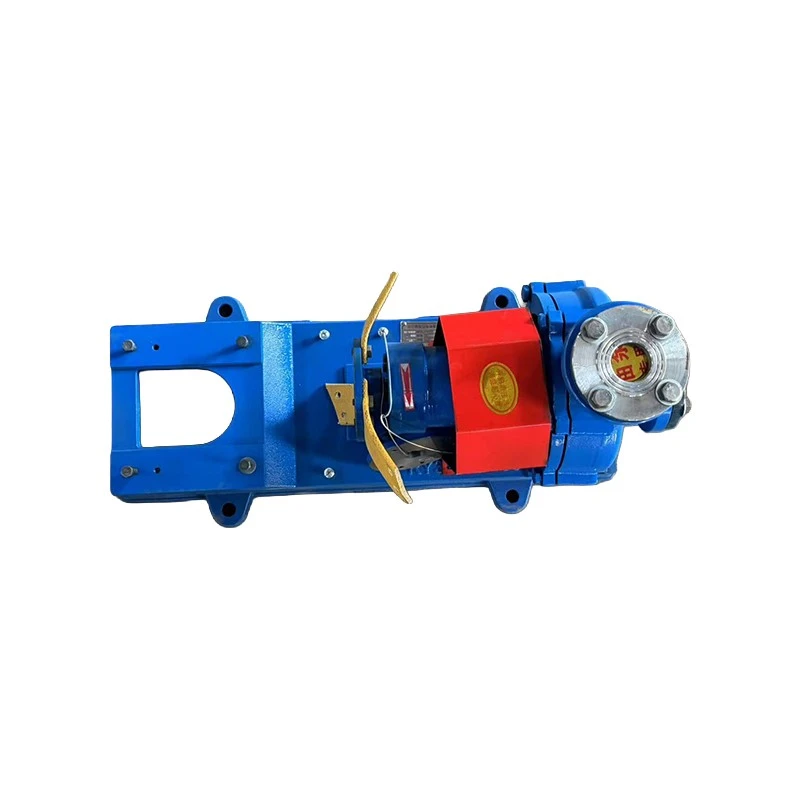
To deal with high temperatures, you might want to consider a High Temperature Gear Pump. These pumps are designed with seals and other components that can withstand elevated temperatures. Additionally, proper ventilation and cooling systems can help keep the pump and its seals at a reasonable temperature.
4. Pressure Issues
Excessive pressure can put a lot of strain on the seals in a paint transfer gear pump. If the pump is operating at a pressure that's higher than what the seals are rated for, it can cause the seals to leak or even blow out.
This can happen for a few reasons. Maybe the pump is being used in a system where the pressure requirements have changed, or there could be a blockage in the pipeline that's causing the pressure to build up.
To prevent pressure-related seal failures, it's important to monitor the pressure in the system regularly. Install pressure gauges and make sure the pump is operating within the recommended pressure range. If you notice any sudden spikes in pressure, you need to investigate the cause immediately. Sometimes, it could be as simple as clearing a blockage in the pipes.
5. Installation Errors
Believe it or not, incorrect installation can also lead to seal failure in paint transfer gear pumps. If the seals aren't installed properly, they might not form a tight seal, which can result in leaks.
This could be due to a number of factors. Maybe the seals were damaged during installation, or they weren't seated correctly in their grooves. It's also possible that the wrong size or type of seal was used.
To avoid installation errors, make sure that whoever is installing the pump is properly trained. Follow the manufacturer's installation instructions carefully, and double-check that all the seals are in place and correctly installed. If you're not confident in your own installation skills, it might be worth hiring a professional to do it for you.
6. Contamination
Contamination is another factor that can cause seal failure in paint transfer gear pumps. If there are foreign particles in the paint or the pump's environment, these particles can get into the seals and cause damage.
For example, dust or dirt can act like sandpaper on the seals, wearing them down over time. Metal shavings from other components in the system can also cause scratches and abrasions on the seals.
To prevent contamination, it's important to keep the paint and the pump's environment as clean as possible. Use filters in the paint supply line to remove any particles before they reach the pump. Also, make sure to keep the pump area clean and free of debris.
7. Age of the Seal
Just like any other component, seals have a limited lifespan. Even if they're not subjected to extreme conditions or heavy use, they will eventually degrade over time. The materials that seals are made of can break down due to natural aging processes, such as oxidation.
This means that even if you're using your paint transfer gear pump sparingly, you still need to keep an eye on the seals. Older seals are more likely to fail, so it's a good idea to replace them proactively, even if they don't show any obvious signs of wear.
Tips to Prevent Seal Failures
- Regular Maintenance: As I mentioned earlier, regular maintenance is key. Inspect the seals regularly, clean the pump, and replace worn-out parts as needed.
- Proper Selection: Make sure you choose the right pump and seals for your specific application. Consider factors like the type of paint, the operating temperature, and the pressure requirements.
- Training: Ensure that anyone who operates or installs the pump is properly trained. This can help prevent installation errors and improper use.
Conclusion
Seal failures in paint transfer gear pumps can be a real pain, but by understanding the common causes and taking proactive steps to prevent them, you can keep your pumps running smoothly. Whether it's due to wear and tear, chemical compatibility issues, high temperatures, pressure problems, installation errors, contamination, or old age, there are solutions available.
If you're in the market for a new paint transfer gear pump or need advice on seal maintenance, don't hesitate to reach out. We offer a wide range of pumps, including High Temperature Gear Pump, Sanitary Gear Pump, High Precision Gear Pump, Pneumatic Gear Pump, and Bronze Gear Pump, to meet your specific needs. We're here to help you find the right solution and ensure that your paint transfer operations are as efficient and trouble-free as possible.
References
- "Gear Pump Handbook" - Industry Publication
- Manufacturer's Technical Documentation