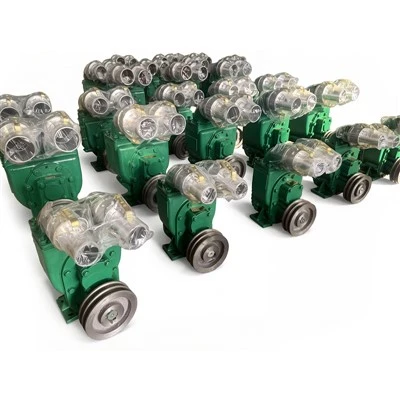
As a trusted supplier of High Pressure Screw Pumps, I understand the critical importance of effective sealing methods in these pumps. High pressure screw pumps are widely used in various industrial applications, including oil and gas, chemical processing, and power generation. The proper sealing of these pumps is essential to prevent leakage, ensure efficient operation, and maintain the integrity of the pumped fluid. In this blog post, I will discuss the various sealing methods employed in high pressure screw pumps.
1. Mechanical Seals
Mechanical seals are one of the most common sealing methods used in high pressure screw pumps. They consist of two flat faces - a rotating face attached to the pump shaft and a stationary face mounted in the pump housing. These faces are held together under pressure, usually by springs or other mechanical means, to create a seal that prevents fluid leakage along the shaft.
The materials used for mechanical seals are carefully selected based on the properties of the pumped fluid, the operating pressure, and the temperature. For example, carbon-graphite is often used for the rotating face due to its self - lubricating properties, while silicon carbide or tungsten carbide may be used for the stationary face for its high hardness and wear resistance.
One of the advantages of mechanical seals is their high reliability and long service life. They can handle high pressures and are suitable for a wide range of fluids, including corrosive and abrasive ones. However, they require proper installation and maintenance. Incorrect installation can lead to premature failure, and regular monitoring of the seal faces' condition is necessary to ensure optimal performance.
2. Packing Seals
Packing seals, also known as gland packing, are another traditional sealing method for high pressure screw pumps. Packing seals consist of braided or compressed materials, such as asbestos - free fibers, graphite, or PTFE (polytetrafluoroethylene), which are packed into a gland around the pump shaft.
The gland is then tightened to compress the packing against the shaft, creating a seal. The advantage of packing seals is their simplicity and relatively low cost. They can also be easily replaced in the field if they wear out. Moreover, packing seals can tolerate some degree of shaft misalignment and vibration.
However, packing seals have some limitations. They tend to have higher leakage rates compared to mechanical seals, especially over time as the packing wears. They also require more frequent adjustment to maintain the proper sealing pressure. Additionally, the friction between the packing and the shaft can generate heat, which may require a cooling system in high - speed or high - temperature applications.
3. Magnetic Seals
Magnetic seals are a relatively modern sealing solution for high pressure screw pumps. They use magnetic forces to transfer torque from the motor to the pump impeller without the need for a direct shaft connection. This eliminates the need for a traditional shaft seal, thus completely preventing leakage.
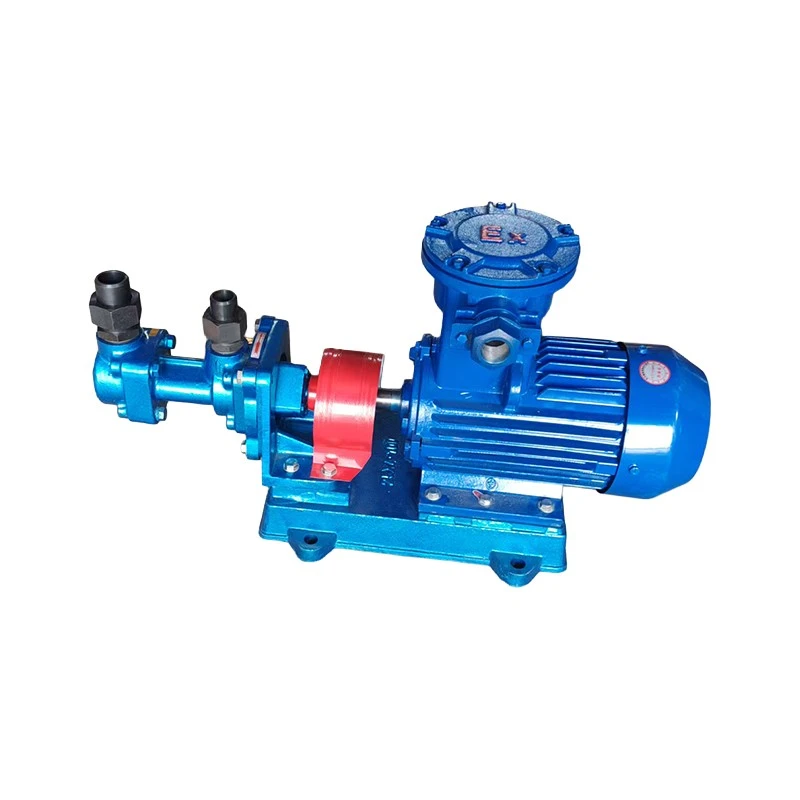

In a magnetic seal system, the motor is connected to an outer magnet assembly, and an inner magnet assembly is attached to the pump impeller. The two magnet assemblies are separated by a containment shell, which is typically made of a non - magnetic material. As the outer magnet rotates, it creates a magnetic field that causes the inner magnet and the impeller to rotate.
The main advantage of magnetic seals is their zero - leakage design, which makes them ideal for applications where leakage cannot be tolerated, such as in the handling of toxic or hazardous fluids. They also require less maintenance compared to mechanical or packing seals since there are no wearing parts in contact with the shaft. However, magnetic seals are generally more expensive than other sealing methods, and they may have limitations in terms of the maximum torque and speed they can handle.
4. Labyrinth Seals
Labyrinth seals are non - contacting seals that rely on a series of narrow passages or grooves to create a tortuous path for the fluid. As the fluid tries to pass through the labyrinth, its pressure is gradually reduced, preventing leakage.
Labyrinth seals are often used in combination with other sealing methods, such as mechanical seals or packing seals, to provide an additional level of protection. They are particularly useful in high - speed applications where the contact between the seal and the shaft can cause excessive wear and heat generation.
The design of labyrinth seals can be customized based on the specific requirements of the pump. For example, the number, shape, and depth of the grooves can be adjusted to optimize the sealing performance. However, labyrinth seals are not suitable for applications where a high degree of sealing is required on their own, as they still allow a small amount of leakage.
5. Considerations When Choosing a Sealing Method
When selecting a sealing method for a high pressure screw pump, several factors need to be taken into account:
- Fluid Properties: The chemical composition, viscosity, temperature, and abrasiveness of the pumped fluid play a crucial role in determining the appropriate sealing method. For example, corrosive fluids may require seals made of corrosion - resistant materials, while abrasive fluids may need seals with high wear resistance.
- Operating Pressure and Temperature: High pressure and temperature conditions can put additional stress on the seals. Mechanical seals are generally better suited for high - pressure applications, while magnetic seals may be more suitable for high - temperature applications.
- Leakage Requirements: In applications where leakage is a critical issue, such as in the food or pharmaceutical industries, zero - leakage sealing methods like magnetic seals are preferred. In other applications, where a small amount of leakage can be tolerated, packing seals or labyrinth seals may be sufficient.
- Cost and Maintenance: The initial cost of the seal, as well as the cost of maintenance and replacement, should also be considered. While some sealing methods may have a higher upfront cost, they may offer lower long - term maintenance costs.
As a supplier of Triple Screw Pump, Stainless Steel Screw Pump, Industrial Screw Pumps, High Pressure Screw Pump, and Micro Screw Pump, we have extensive experience in helping our customers choose the most suitable sealing method for their specific applications. Our team of experts can provide detailed technical advice and support to ensure that your high pressure screw pump operates efficiently and reliably.
If you are in the market for high - quality screw pumps or need assistance with sealing solutions, we invite you to contact us. We will be more than happy to discuss your requirements and provide you with customized pumping solutions.
References
- "Pump Handbook" by Igor J. Karassik, Joseph P. Messina, Paul Cooper, and Charles C. Heald.
- "Mechanical Seals: Selection and Application" by A. R. W. Smith.
- "Sealing Technology for Rotating Equipment" by Michael A. Palazzolo.