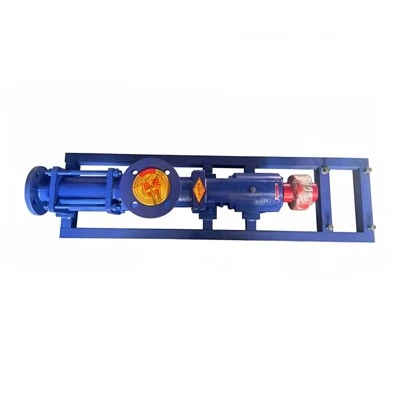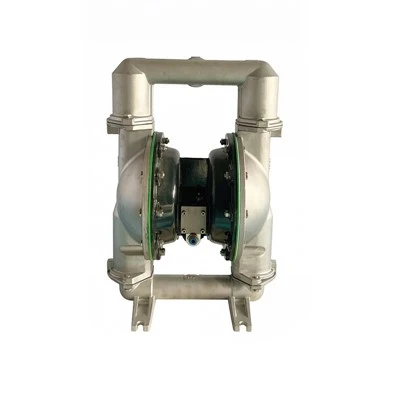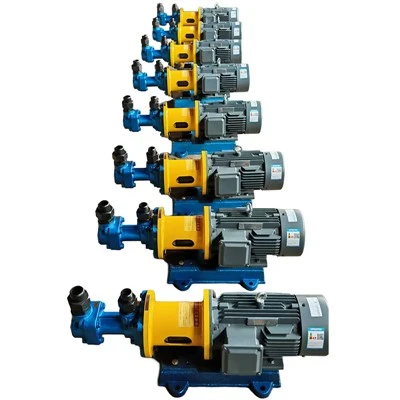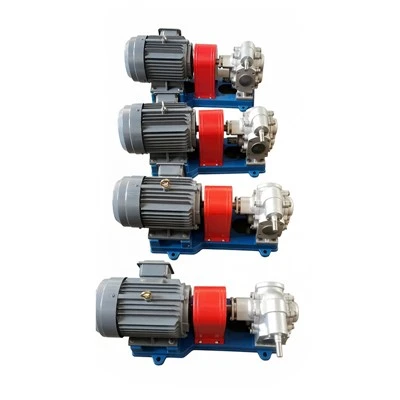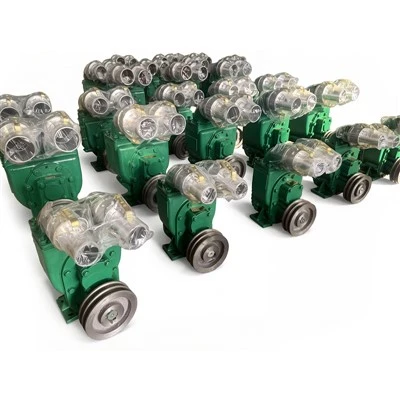
Hey there! As a supplier of Lubricating Oil Gear Pumps, I'm often asked about the flow control methods for these pumps. It's a crucial topic, especially for those looking to optimize the performance of their lubrication systems. In this blog, I'll walk you through some of the most common flow control methods for Lubricating Oil Gear Pumps and how they work.
Understanding Lubricating Oil Gear Pumps
Before we dive into flow control, let's quickly go over what a Lubricating Oil Gear Pump is. These pumps are positive displacement pumps that use gears to transfer lubricating oil from one place to another. They're widely used in various industries because they're reliable, efficient, and can handle a wide range of viscosities.
The basic principle behind a gear pump is simple. Two gears mesh together inside a housing. As the gears rotate, they create chambers that fill with oil at the inlet side of the pump. As the gears continue to turn, these chambers move towards the outlet side, where the oil is forced out under pressure.
Why Flow Control is Important
Flow control is essential in a lubrication system for several reasons. First, it ensures that the right amount of lubricating oil is delivered to the components that need it. Too much oil can lead to excessive heat generation, increased wear on seals, and even environmental issues if there's leakage. On the other hand, too little oil can cause insufficient lubrication, leading to increased friction, wear, and potential equipment failure.
Secondly, flow control helps to maintain a consistent pressure in the lubrication system. This is important for the proper functioning of the components and for ensuring the accuracy of the lubrication process.
Flow Control Methods for Lubricating Oil Gear Pumps
1. Throttle Valves
Throttle valves are one of the simplest and most common ways to control the flow of a Lubricating Oil Gear Pump. These valves work by restricting the flow of oil in the system. When the valve is partially closed, it creates a pressure drop across the valve, which reduces the flow rate of the oil.
One of the advantages of throttle valves is their simplicity. They're easy to install and operate, and they can be adjusted manually or automatically. However, they do have some drawbacks. One of the main disadvantages is that they can cause energy losses in the system. When the valve restricts the flow, it creates a pressure drop, which means that the pump has to work harder to maintain the desired flow rate. This can lead to increased energy consumption and higher operating costs.
2. Bypass Valves
Bypass valves are another common method of flow control for Lubricating Oil Gear Pumps. These valves work by diverting a portion of the oil flow back to the inlet of the pump. By adjusting the amount of oil that is bypassed, the flow rate at the outlet of the pump can be controlled.
Bypass valves are often used in systems where a constant pressure needs to be maintained. When the pressure in the system exceeds a certain setpoint, the bypass valve opens, allowing some of the oil to flow back to the inlet of the pump. This helps to maintain a constant pressure in the system and prevents over-pressurization.
One of the advantages of bypass valves is that they can be used to control the flow rate without causing significant energy losses. Since the bypassed oil is simply recirculated back to the inlet of the pump, the pump doesn't have to work as hard to maintain the desired flow rate. However, bypass valves can be more complex and expensive to install compared to throttle valves.
3. Variable Speed Drives
Variable speed drives (VSDs) are a more advanced method of flow control for Lubricating Oil Gear Pumps. These drives work by adjusting the speed of the pump motor, which in turn changes the flow rate of the pump.
One of the main advantages of VSDs is their energy efficiency. By adjusting the speed of the pump to match the actual demand for oil, VSDs can significantly reduce energy consumption compared to fixed-speed pumps. They also offer more precise control over the flow rate, which can be beneficial in applications where accurate lubrication is required.
However, VSDs can be more expensive to purchase and install compared to other flow control methods. They also require more maintenance and technical expertise to operate and troubleshoot.
4. Gear Ratio Modification
Another way to control the flow rate of a Lubricating Oil Gear Pump is by modifying the gear ratio. The gear ratio determines the volume of oil that is displaced by the pump with each revolution of the gears. By changing the gear ratio, the flow rate of the pump can be adjusted.
This method is typically used in applications where a fixed, non-adjustable flow rate is required. Gear ratio modification can be done by replacing the gears in the pump with ones that have a different number of teeth or by using different-sized gears.
One of the advantages of gear ratio modification is that it provides a simple and reliable way to control the flow rate. However, it's not a very flexible method, as the gear ratio can't be easily changed once the pump is installed.
Other Types of Gear Pumps
In addition to Lubricating Oil Gear Pumps, there are several other types of gear pumps available in the market. Each type has its own unique features and applications. Here are some of the most common types:
- Electric Gear Pump: These pumps are powered by an electric motor and are commonly used in industrial applications where a reliable and efficient source of power is required.
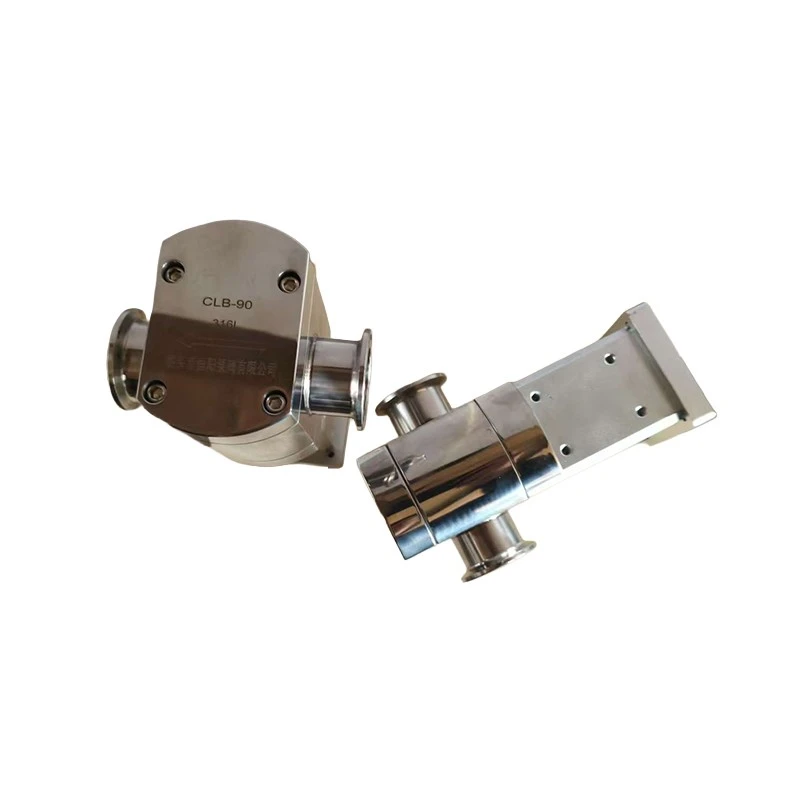
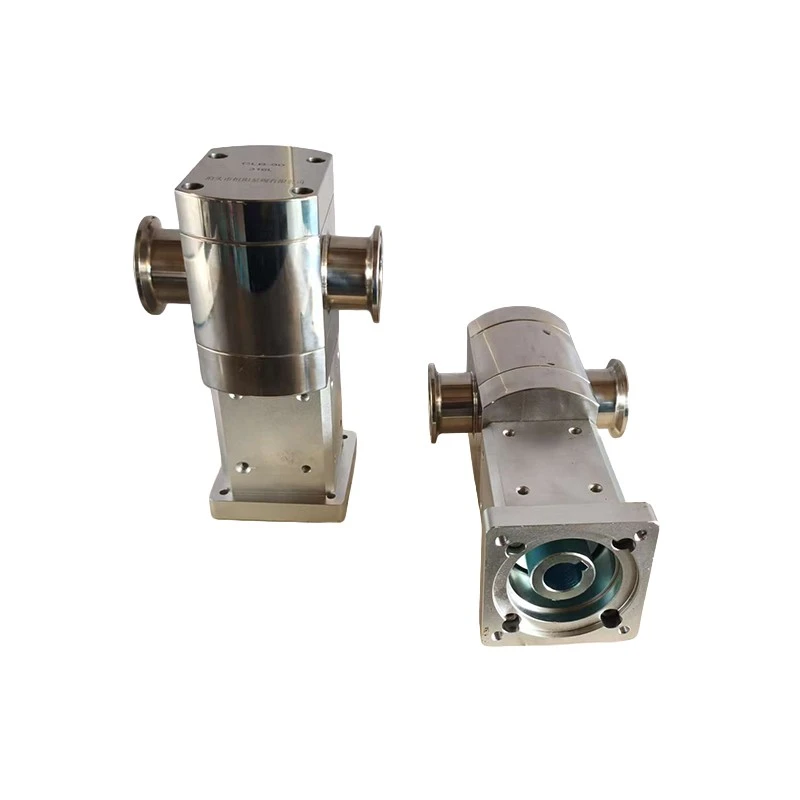
- Sanitary Gear Pump: These pumps are designed for use in the food, beverage, and pharmaceutical industries, where hygiene and sanitation are of utmost importance. They're typically made from stainless steel and are easy to clean and sterilize.
- Pneumatic Gear Pump: These pumps are powered by compressed air and are often used in applications where electricity is not available or where a spark-free environment is required.
- Magnetic Drive Gear Pump: These pumps use a magnetic coupling to transfer power from the motor to the pump impeller, eliminating the need for a shaft seal. This makes them ideal for applications where leakage is a concern, such as in the handling of corrosive or hazardous fluids.
- High Precision Gear Pump: These pumps are designed to provide accurate and precise flow control, making them suitable for applications where a high degree of accuracy is required, such as in the chemical and pharmaceutical industries.
Conclusion
In conclusion, there are several flow control methods available for Lubricating Oil Gear Pumps, each with its own advantages and disadvantages. The choice of flow control method depends on several factors, including the specific application, the required flow rate and pressure, the energy efficiency requirements, and the budget.
As a supplier of Lubricating Oil Gear Pumps, we can help you choose the right flow control method for your application. Our team of experts has extensive experience in the design and selection of lubrication systems, and we can provide you with the technical support and advice you need to ensure the optimal performance of your equipment.
If you're interested in learning more about our Lubricating Oil Gear Pumps or flow control methods, or if you have any questions, please don't hesitate to contact us. We'd be happy to discuss your requirements and provide you with a customized solution.
References
- Hydraulic Pumps and Motors Handbook.
- Gear Pump Design and Application Guide.