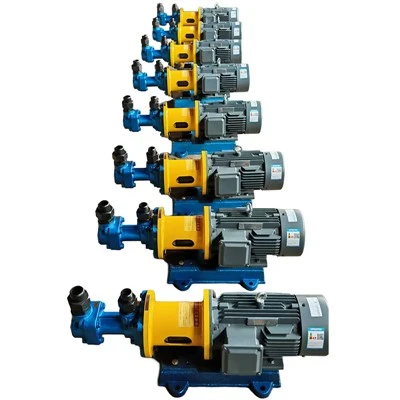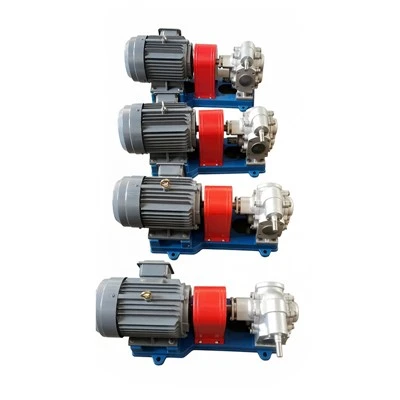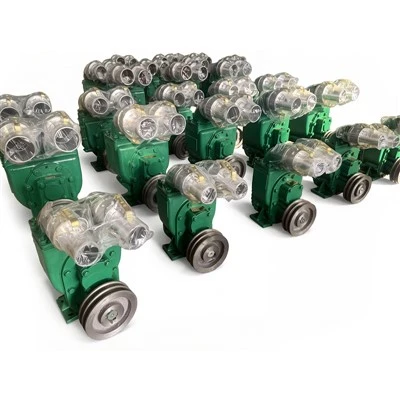
Hey there! As a supplier of KCB Gear Pumps, I'm stoked to share with you all the ins and outs of the performance parameters of these bad - ass pumps. Whether you're in the market for a Manual Gear Pump or a Fixed Displacement Gear Pump, understanding these parameters is key to getting the right pump for your needs.
Flow Rate
One of the most important performance parameters of a KCB Gear Pump is the flow rate. This is basically how much fluid the pump can move in a given amount of time. It's usually measured in liters per minute (LPM) or gallons per minute (GPM). The flow rate of a KCB Gear Pump depends on a few factors, like the size of the gears, the speed at which the pump is running, and the viscosity of the fluid.
For example, if you've got a small - sized KCB Gear Pump running at a relatively low speed and pumping a thin fluid, the flow rate will be lower compared to a larger pump running at a higher speed and handling a less viscous fluid. When you're choosing a pump, you need to know your required flow rate. If you're using the pump in an industrial process where a certain volume of fluid needs to be transferred quickly, you'll want a pump with a high flow rate. On the other hand, if it's for a more delicate application, a lower flow rate might be just fine.
Pressure Rating
Another crucial parameter is the pressure rating. This tells you the maximum pressure that the pump can handle without breaking down or malfunctioning. Pressure is measured in pounds per square inch (PSI) or bars. A KCB Gear Pump is designed to work within a specific pressure range.
If you try to operate the pump at a pressure higher than its rating, it can lead to all sorts of problems, like leaks, damage to the gears or seals, and even complete pump failure. So, it's super important to match the pump's pressure rating to your application. For instance, in a hydraulic system where high pressure is needed to operate heavy machinery, you'll need a KCB Gear Pump with a high - pressure rating. Meanwhile, for a low - pressure application like a simple lubrication system, a pump with a lower pressure rating will do the trick.
Efficiency
Efficiency is a big deal when it comes to pumps. It refers to how well the pump converts the input power (usually from an electric motor or an engine) into useful work, which is moving the fluid. In the case of KCB Gear Pumps, efficiency is affected by things like the design of the gears, the internal clearances, and the type of fluid being pumped.
A more efficient pump will use less energy to move the same amount of fluid compared to a less efficient one. This not only saves you money on energy costs but also reduces wear and tear on the pump. For long - term operation, an efficient KCB Gear Pump is definitely a smart investment. You can look for pumps with advanced gear designs and low - friction materials to boost efficiency.
Viscosity Handling
The ability of a KCB Gear Pump to handle different fluid viscosities is also an important performance parameter. Viscosity is a measure of a fluid's resistance to flow. Thick fluids like oil or syrup have a high viscosity, while thin fluids like water have a low viscosity.
A High Viscosity Gear Pump is specially designed to handle thick fluids. These pumps have larger clearances between the gears and a more robust construction to be able to move the viscous fluid effectively. On the other hand, if you're dealing with a low - viscosity fluid, a regular KCB Gear Pump can work just fine. But if you try to use a pump designed for low - viscosity fluids with a high - viscosity one, it might not be able to generate enough flow or pressure.
Displacement
Displacement refers to the volume of fluid that the pump can move in one revolution of the gears. There are two main types of displacement in gear pumps: fixed and variable. A Fixed Displacement Gear Pump moves a constant volume of fluid with each revolution. These pumps are simple and reliable, and they're great for applications where a consistent flow rate is needed.
On the other hand, a Variable Displacement Gear Pump can change the volume of fluid it moves per revolution. This is useful in applications where the flow rate needs to be adjusted according to the process requirements. For example, in a manufacturing process where the demand for fluid changes at different stages, a variable - displacement pump can be really handy.
Precision
In some applications, precision is crucial. That's where a High Precision Gear Pump comes in. These pumps are designed to deliver a very accurate and consistent flow rate and pressure. They have tight tolerances on the gears and internal components, which ensures that the pump performs with high precision.
Precision gear pumps are often used in applications like chemical dosing, where a specific amount of chemical needs to be added to a process at a precise rate. If you don't have a high - precision pump in this type of application, it can lead to inaccurate dosing, which might affect the quality of the final product.
Noise and Vibration
We also can't forget about noise and vibration. No one wants a pump that sounds like a jackhammer and shakes the whole place up. The design of the KCB Gear Pump plays a huge role in determining the level of noise and vibration it produces.
Pumps with well - balanced gears and a solid construction generally produce less noise and vibration. A noisy pump can not only be annoying but also a sign of a problem, like misaligned gears or worn - out bearings. When you're choosing a KCB Gear Pump, it's a good idea to consider the noise and vibration levels, especially if the pump will be installed in a quiet environment or near people.
Temperature Range
The temperature range within which a KCB Gear Pump can operate is another important factor. Different fluids have different temperature - related properties, and the pump needs to be able to handle the temperature of the fluid it's pumping.
Extreme temperatures can affect the viscosity of the fluid, the performance of the seals, and the overall durability of the pump. Some KCB Gear Pumps are designed to operate in a wide temperature range, while others are more suitable for specific temperature conditions. Make sure you know the operating temperature requirements of your application and choose a pump that can handle it.
Durability and Maintenance
Last but not least, we've got durability and maintenance. A good KCB Gear Pump should be built to last. It should be made of high - quality materials that can withstand the wear and tear of regular operation.

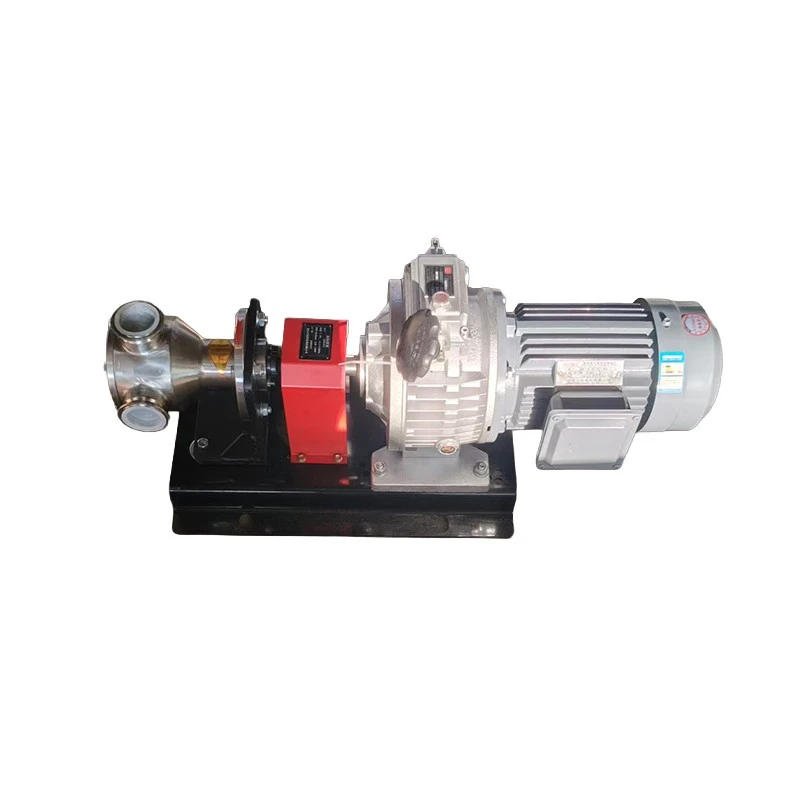
Ease of maintenance is also important. You don't want to spend hours trying to disassemble and reassemble the pump for routine maintenance. Look for pumps with simple designs and easy - to - access parts. Regular maintenance, like checking the oil levels, replacing worn seals, and cleaning the gears, can extend the life of the pump and keep it running smoothly.
In conclusion, when you're in the market for a KCB Gear Pump, taking the time to understand these performance parameters is essential. Whether you need a high - flow, high - pressure, or high - precision pump, we've got you covered. If you're interested in learning more about our KCB Gear Pumps or want to discuss your specific requirements, don't hesitate to reach out. We're here to help you find the perfect pump for your needs.
References
- Gear Pump Handbook, Industry Standard Publication
- Pump Technology and Applications, Academic Journal