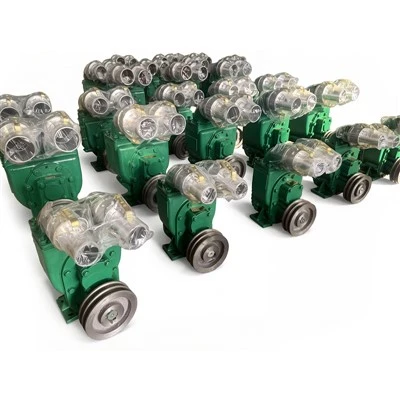
Calibrating a single screw pump for metering is a crucial process that ensures accurate and consistent fluid delivery in various industrial applications. As a leading Single Screw Pump supplier, we understand the importance of proper calibration to optimize the performance of these pumps. In this blog post, we will discuss the step-by-step process of calibrating a single screw pump for metering, along with some tips and best practices.
Understanding Single Screw Pumps
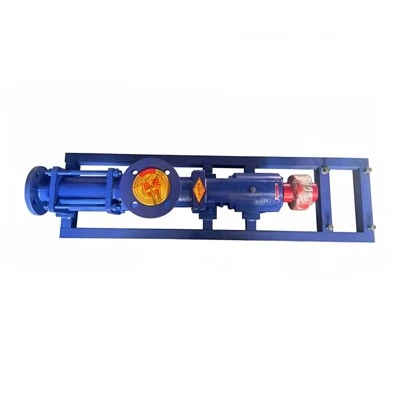
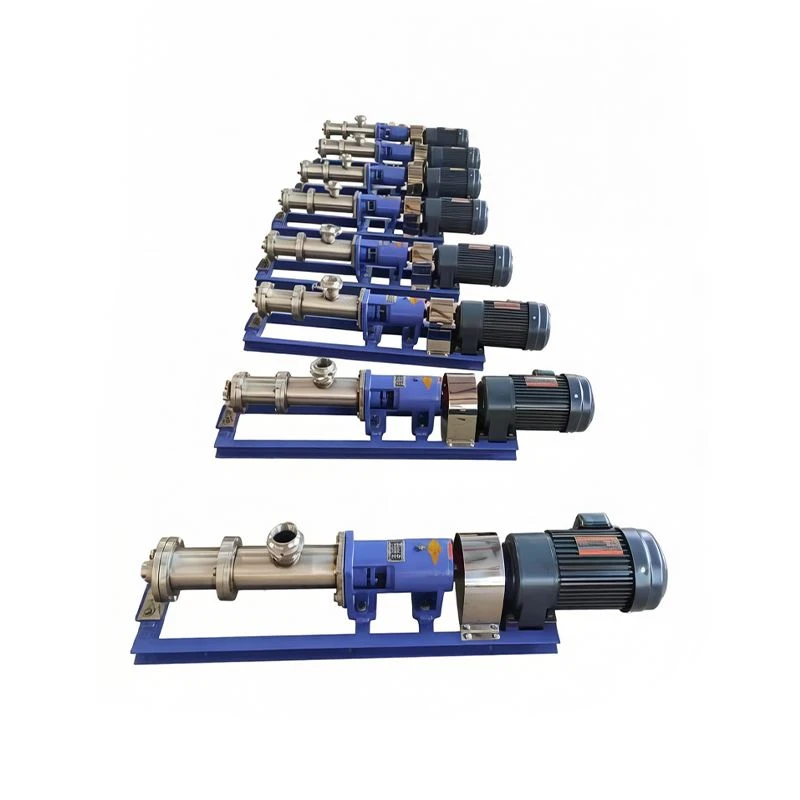
Before diving into the calibration process, it's essential to have a basic understanding of single screw pumps. A single screw pump, also known as a progressive cavity pump, consists of a single helical rotor that rotates inside a double helical stator. This design creates a series of sealed cavities that move the fluid from the suction end to the discharge end of the pump. Single screw pumps are known for their ability to handle a wide range of fluids, including viscous, abrasive, and shear-sensitive materials, making them ideal for metering applications.
Why Calibration is Important
Calibration is the process of adjusting a pump to ensure that it delivers the desired flow rate and pressure accurately. In metering applications, precision is critical, as even small deviations in the flow rate can have significant consequences for the quality and efficiency of the process. Proper calibration of a single screw pump ensures that the pump delivers the exact amount of fluid required, which helps to maintain consistent product quality, reduce waste, and improve overall process efficiency.
Step-by-Step Calibration Process
The calibration process for a single screw pump involves several steps, which are outlined below:
Step 1: Gather the Necessary Tools and Equipment
Before starting the calibration process, you will need to gather the necessary tools and equipment, including a flow meter, pressure gauge, adjustable wrench, and a set of calibration weights or a volumetric measuring device.
Step 2: Prepare the Pump
Ensure that the pump is properly installed and connected to the system. Check for any leaks or loose connections and make sure that the pump is filled with the fluid to be pumped.
Step 3: Set the Initial Pump Speed
Start the pump at a low speed and gradually increase the speed until the desired flow rate is achieved. Use the flow meter to measure the actual flow rate and adjust the pump speed accordingly.
Step 4: Measure the Pressure
Use a pressure gauge to measure the pressure at the discharge end of the pump. The pressure should be within the recommended range for the pump and the application. If the pressure is too high or too low, adjust the pump speed or the system settings to achieve the desired pressure.
Step 5: Calculate the Pump Efficiency
The pump efficiency is calculated by dividing the actual flow rate by the theoretical flow rate. The theoretical flow rate can be calculated using the pump's displacement volume and the pump speed. The pump efficiency should be within the recommended range for the pump and the application. If the efficiency is too low, there may be a problem with the pump, such as a worn rotor or stator, and the pump may need to be serviced or replaced.
Step 6: Adjust the Pump Settings
Based on the measurements and calculations, adjust the pump settings, such as the speed, pressure, or stroke length, to achieve the desired flow rate and pressure. Make small adjustments at a time and recheck the flow rate and pressure after each adjustment.
Step 7: Verify the Calibration
Once the pump settings have been adjusted, verify the calibration by measuring the flow rate and pressure again. The measured values should be within the acceptable tolerance range for the application. If the values are outside the tolerance range, repeat the calibration process until the desired accuracy is achieved.
Tips and Best Practices
Here are some tips and best practices to ensure accurate and reliable calibration of a single screw pump for metering:
- Use a high-quality flow meter: A high-quality flow meter is essential for accurate measurement of the flow rate. Make sure to choose a flow meter that is suitable for the type of fluid being pumped and the range of flow rates and pressures involved.
- Calibrate the pump regularly: Regular calibration is essential to ensure that the pump continues to deliver accurate and consistent flow rates over time. The frequency of calibration will depend on the application and the operating conditions of the pump.
- Follow the manufacturer's instructions: Always follow the manufacturer's instructions for calibrating the pump. This will ensure that the pump is calibrated correctly and that the warranty is not voided.
- Train your operators: Proper training of the operators is essential to ensure that the pump is calibrated correctly and that the calibration process is carried out safely and efficiently.
- Keep a calibration log: Keeping a calibration log will help you to track the calibration history of the pump and to identify any trends or issues that may need to be addressed.
Conclusion
Calibrating a single screw pump for metering is a critical process that ensures accurate and consistent fluid delivery in various industrial applications. By following the step-by-step process outlined in this blog post and implementing the tips and best practices, you can ensure that your single screw pump is calibrated correctly and that it delivers the desired flow rate and pressure accurately.
If you are in the market for a Single Screw Pump, High Pressure Screw Pump, Stainless Steel Screw Pump, Hyghspin Twin Screw Pump, or Industrial Screw Pumps, we are here to help. Our team of experts can provide you with the guidance and support you need to choose the right pump for your application and to ensure that it is calibrated correctly. Contact us today to learn more about our products and services and to start a conversation about your pumping needs.
References
- "Single Screw Pumps: Principles, Applications, and Maintenance." Pump Handbook, 4th Edition, by Igor J. Karassik, Joseph P. Messina, Paul Cooper, and Charles C. Heald.
- "Calibration of Positive Displacement Pumps." ASME PTC 8.3-2005, Performance Test Code on Positive Displacement Pumps.
- Manufacturer's manuals and technical documents for single screw pumps.