Hey there! As a supplier of triple screw pumps, I've seen firsthand how crucial energy efficiency is in today's industrial landscape. Not only does it save costs, but it also helps reduce our environmental footprint. So, let's dive into how we can make a triple screw pump more energy - efficient.
Understanding the Basics of Triple Screw Pumps
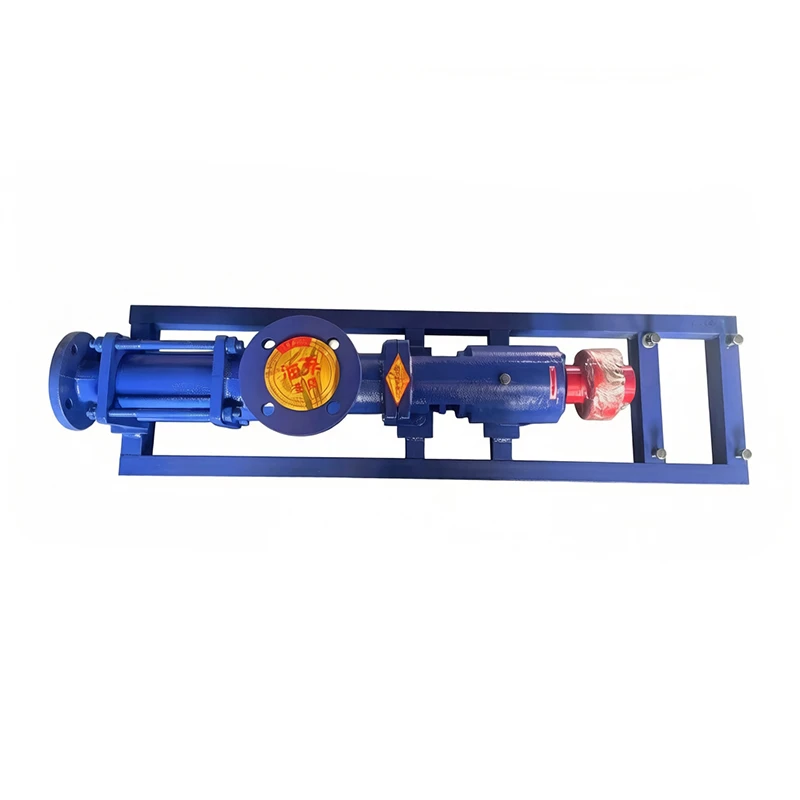
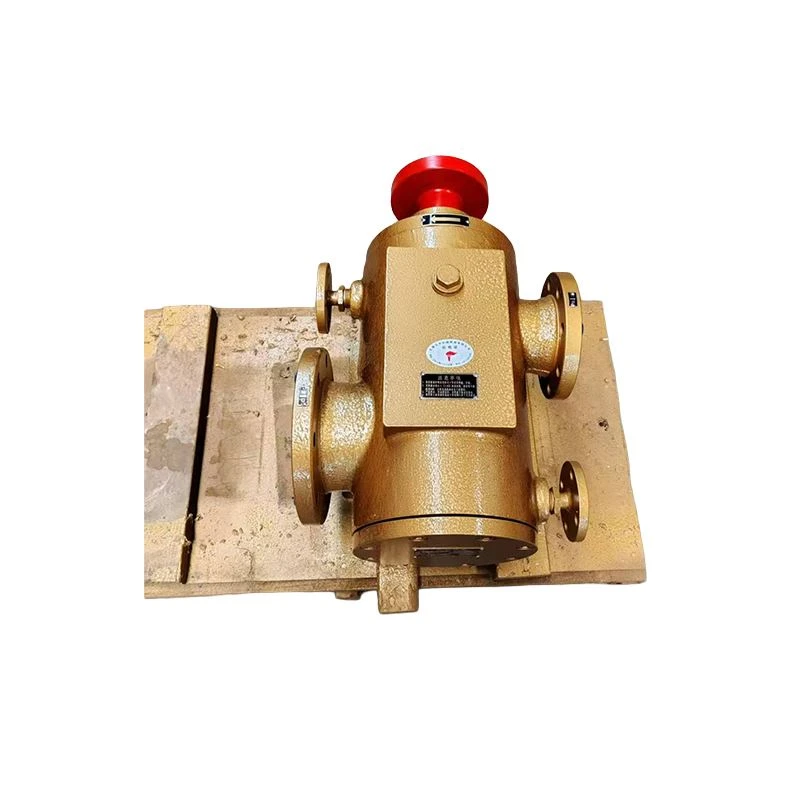
Before we get into the energy - saving strategies, let's quickly go over what a triple screw pump is. A triple screw pump consists of three screws: one driving screw and two driven screws. These screws mesh together to create chambers that move fluid from the suction side to the discharge side. They're known for their smooth operation, high efficiency, and ability to handle a wide range of viscosities.
Optimize Pump Selection
The first step in making a triple screw pump energy - efficient is to select the right pump for the job. Using a pump that's too large for the application will result in excessive energy consumption. You want to choose a pump with a flow rate and pressure rating that closely matches your system requirements.
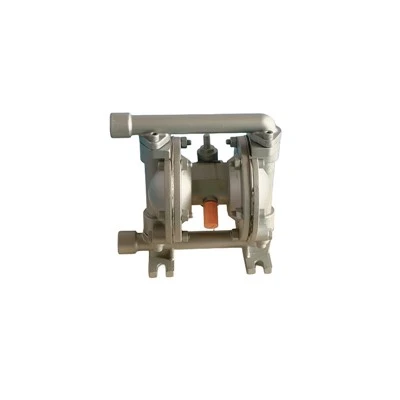
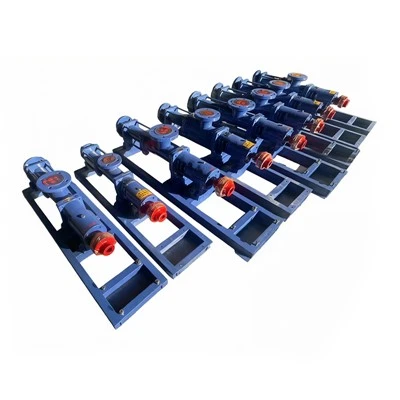
For example, if you're dealing with a low - flow, high - pressure application, a High Pressure Screw Pump might be the best fit. On the other hand, for applications with varying viscosities, an Industrial Screw Pumps can provide the flexibility needed.
Regular Maintenance
Just like a car, a triple screw pump needs regular maintenance to run efficiently. Here are some key maintenance tasks:
1. Lubrication
Proper lubrication is essential for reducing friction between the screws and other moving parts. Make sure to use the recommended lubricant and follow the manufacturer's guidelines for lubrication intervals.
2. Seal Inspection
Check the seals regularly for leaks. A leaking seal can cause a loss of pressure and increase energy consumption. Replace any worn or damaged seals promptly.
3. Clearance Adjustment
Over time, the clearances between the screws and the pump housing can change. This can affect the pump's efficiency. Periodically measure and adjust these clearances to ensure optimal performance.
System Design and Installation
The way the pump is installed and integrated into the system can also have a big impact on energy efficiency.
1. Pipe Sizing
Use the correct pipe size to minimize pressure drop. A smaller pipe diameter can cause higher friction losses, which means the pump has to work harder to move the fluid. On the other hand, a pipe that's too large can lead to inefficient flow patterns.
2. Avoiding Bends and Obstructions
Keep the piping system as straight as possible and avoid unnecessary bends and obstructions. Each bend and obstruction adds to the pressure drop in the system, increasing the energy required to pump the fluid.
3. Proper Alignment
Ensure that the pump is properly aligned with the motor. Misalignment can cause increased vibration, which not only reduces the pump's efficiency but also shortens its lifespan.
Variable Speed Drives (VSDs)
One of the most effective ways to make a triple screw pump more energy - efficient is to use a variable speed drive. A VSD allows you to adjust the pump's speed according to the actual demand.
For example, if the system only requires a fraction of the pump's maximum flow rate for most of the time, you can reduce the pump's speed using the VSD. This significantly reduces energy consumption compared to running the pump at a fixed speed all the time.
Monitoring and Control
Implement a monitoring and control system to keep track of the pump's performance. This can include measuring parameters such as flow rate, pressure, and power consumption.
By analyzing this data, you can identify any inefficiencies in the system and take corrective action. For instance, if you notice a sudden increase in power consumption, it could indicate a problem with the pump's operation, such as a clogged filter or a worn seal.
Fluid Properties
The properties of the fluid being pumped also play a role in energy efficiency.
1. Viscosity
Higher viscosity fluids require more energy to pump. If possible, try to reduce the viscosity of the fluid, for example, by heating it. However, make sure to consider the impact of temperature on the fluid and the pump materials.
2. Density
Fluids with higher density also require more energy to pump. If you have a choice of fluids, select one with a lower density if it meets your process requirements.
Comparison with Other Screw Pumps
It's worth comparing triple screw pumps with other types of screw pumps to understand their energy - efficiency advantages.
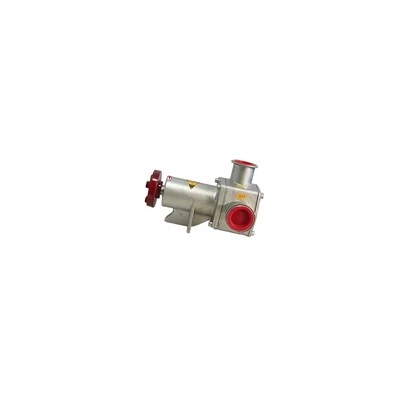
A Single Screw Pump is suitable for handling highly viscous and abrasive fluids. However, they may not be as energy - efficient as triple screw pumps for applications where the fluid is less viscous.
A Hyghspin Twin Screw Pump is known for its high - flow capabilities. But for applications with a relatively constant flow rate and pressure, a triple screw pump can be more energy - efficient.
Material Selection
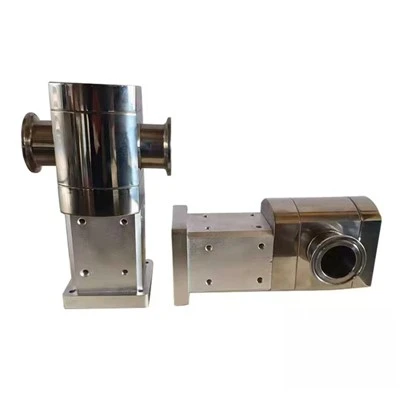
The materials used in the pump construction can also affect energy efficiency. For example, a Stainless Steel Screw Pump is corrosion - resistant, which means it can maintain its performance over a longer period without the need for frequent repairs or replacements. This can lead to energy savings in the long run.
Conclusion
Making a triple screw pump more energy - efficient involves a combination of proper pump selection, regular maintenance, smart system design, and the use of advanced technologies like variable speed drives. By implementing these strategies, you can not only reduce your energy costs but also improve the overall performance and lifespan of your pump.
If you're interested in learning more about our triple screw pumps or need help in making your pumping system more energy - efficient, don't hesitate to reach out. We're here to assist you in finding the best solutions for your specific needs.
References
- "Pump Handbook" by Igor J. Karassik, Joseph P. Messina, Paul Cooper, Charles C. Heald
- "Energy - Efficient Pumping Systems" by the Hydraulic Institute