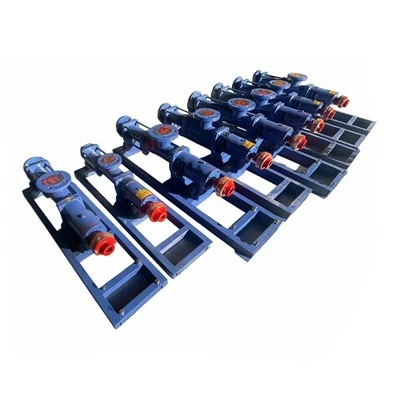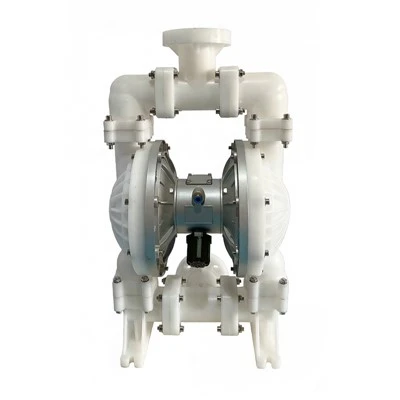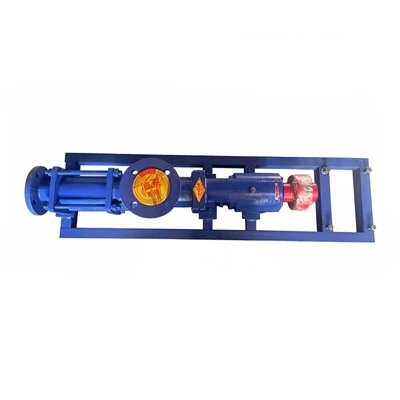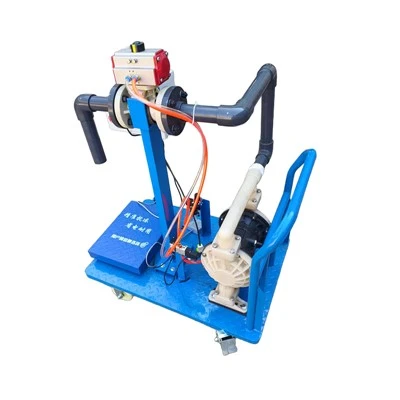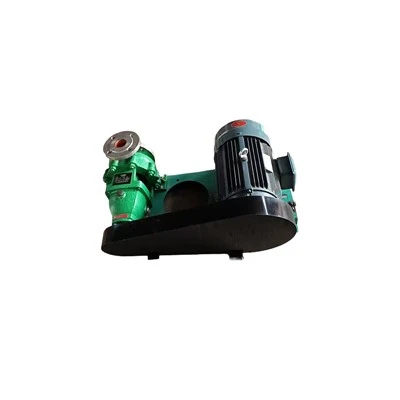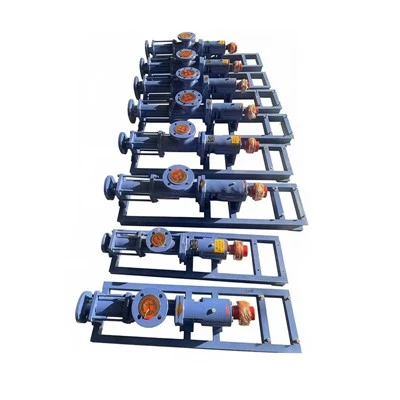
Low flow in industrial screw pumps can be a frustrating and costly issue, affecting the efficiency and productivity of various industrial processes. As a leading supplier of Industrial Screw Pumps, we understand the importance of maintaining optimal pump performance. In this blog post, we will explore the common causes of low flow in industrial screw pumps and provide insights on how to address them.
1. Viscosity of the Fluid
One of the primary factors affecting the flow rate of industrial screw pumps is the viscosity of the fluid being pumped. Screw pumps are designed to handle a wide range of viscosities, but extremely high or low viscosities can lead to reduced flow.
- High - Viscosity Fluids: When pumping high - viscosity fluids, the resistance to flow increases significantly. This means that the pump has to work harder to move the fluid through the system. If the pump's power is insufficient for the high - viscosity application, the flow rate will drop. For example, in the oil and gas industry, where heavy crude oils with high viscosities are pumped, the pump may struggle to maintain the desired flow. To address this, it may be necessary to pre - heat the fluid to reduce its viscosity or select a pump with a higher power rating and a design optimized for high - viscosity fluids, such as our Stainless Steel Screw Pump, which can be configured to handle viscous materials.
- Low - Viscosity Fluids: On the other hand, low - viscosity fluids can cause internal leakage within the pump. Screw pumps rely on the sealing action between the screws and the pump casing to create pressure and move the fluid. With low - viscosity fluids, the fluid can easily bypass the screws and leak back to the suction side of the pump, resulting in reduced flow. For instance, when pumping water or solvents, this internal leakage can be a significant problem. In such cases, selecting a pump with tighter clearances or a different pump design may be required. Our Micro Screw Pump can be a suitable option for low - viscosity fluid applications, as it is engineered to minimize internal leakage.
2. Wear and Tear
Over time, the components of industrial screw pumps can experience wear and tear, which can have a direct impact on the flow rate.
- Screw Wear: The screws are the core components of a screw pump. As they rotate to move the fluid, they are subjected to friction and abrasion, especially when pumping fluids with solid particles. As the screws wear, the clearances between them and the pump casing increase. This allows the fluid to leak back, reducing the volumetric efficiency of the pump and causing a decrease in flow. Regular inspection of the screws and timely replacement when wear is detected are essential. We offer a range of replacement screws for our Industrial Screw Pumps to ensure long - term performance.
- Casing Wear: The pump casing can also wear due to the constant flow of fluid and the interaction with the screws. If the casing is worn, it can no longer provide an effective seal, leading to internal leakage and low flow. Monitoring the condition of the casing and addressing any signs of wear, such as pitting or scoring, is crucial.
3. Inlet and Outlet Restrictions
Restrictions in the inlet or outlet of the pump can severely limit the flow rate.
- Inlet Restrictions: A clogged inlet strainer or a partially closed inlet valve can reduce the amount of fluid entering the pump. For example, in wastewater treatment plants, the inlet strainer can become blocked with debris, preventing the pump from drawing in an adequate amount of fluid. Regularly cleaning the inlet strainer and ensuring that all valves are fully open can help maintain proper flow.
- Outlet Restrictions: Obstructions in the outlet piping, such as a kinked hose or a partially closed valve, can increase the back - pressure on the pump. When the back - pressure is too high, the pump has to work harder to push the fluid through the system, and in some cases, the flow rate will decrease. Inspecting the outlet piping for any blockages or restrictions and removing them promptly is necessary.
4. Cavitation
Cavitation is a phenomenon that occurs when the pressure of the fluid at the pump inlet drops below its vapor pressure, causing the formation of vapor bubbles. When these bubbles collapse as they move to a higher - pressure region within the pump, they can cause damage to the pump components and reduce the flow rate.
- Causes of Cavitation: Cavitation can be caused by several factors, such as a high - speed pump operation, a low - level fluid supply, or a long suction line with small diameter. For example, if the pump is running at a speed that is too high for the system conditions, the pressure at the inlet can drop rapidly, leading to cavitation.
- Effects of Cavitation: Cavitation not only reduces the flow rate but also causes erosion of the pump components, resulting in increased wear and reduced pump life. To prevent cavitation, proper pump sizing and installation are crucial. The suction line should be as short and large in diameter as possible, and the fluid level in the suction tank should be maintained above the minimum recommended level.
5. Incorrect Pump Installation
Proper installation of industrial screw pumps is essential for achieving optimal performance. Incorrect installation can lead to low flow and other operational problems.
- Alignment Issues: If the pump and the motor are not properly aligned, it can cause excessive vibration and stress on the pump components. This can lead to premature wear and a decrease in the flow rate. Ensuring accurate alignment during installation and regularly checking the alignment during operation can help prevent such problems.
- Suction Lift and Pipe Configuration: The suction lift and the configuration of the suction pipe are critical. If the suction lift is too high or the pipe has too many bends and restrictions, it can cause a drop in the inlet pressure and result in low flow. The installation should follow the manufacturer's guidelines regarding suction lift and pipe layout.
6. Air Entrainment
Air entrainment in the fluid being pumped can also cause low flow in industrial screw pumps.
- Sources of Air Entrainment: Air can enter the system through leaks in the suction line, improper priming, or agitation of the fluid in the suction tank. For example, a loose coupling or a cracked suction pipe can allow air to enter the pump.
- Effects of Air Entrainment: The presence of air in the fluid reduces the density of the fluid and can cause the pump to lose its prime. This leads to inefficient operation and a significant reduction in the flow rate. Detecting and eliminating the sources of air entrainment, such as repairing leaks and proper priming, is necessary to maintain proper flow.
Conclusion and Call to Action
Understanding the causes of low flow in industrial screw pumps is the first step towards solving the problem. By addressing issues such as fluid viscosity, wear and tear, inlet and outlet restrictions, cavitation, incorrect installation, and air entrainment, you can ensure the optimal performance of your pump system.


As a trusted supplier of Industrial Screw Pumps, Single Screw Pump, and Triple Screw Pump, we have the expertise and a wide range of products to meet your specific needs. Whether you are facing low - flow problems or looking for a new pump solution, we are here to help.
If you are interested in learning more about our products or need technical support, please feel free to contact us. Our team of experts is ready to assist you in selecting the right pump and providing solutions to improve your pump performance. Let's work together to enhance the efficiency and productivity of your industrial processes.
References
- Gülich, J. F. (2010). Centrifugal Pumps. Springer.
- Hydraulic Institute. (2012). ANSI/HI 1.1 - 1.6 - 2012 Rotodynamic Pumps - Design and Application.
- Stepanoff, A. J. (1957). Centrifugal and Axial Flow Pumps: Theory, Design, and Application. Wiley.