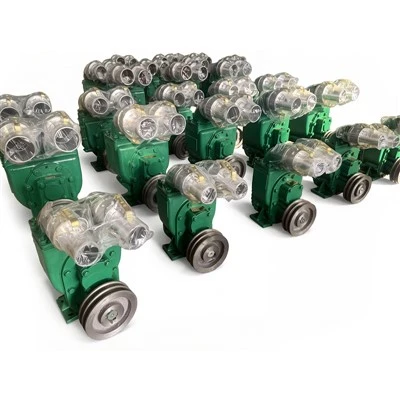
As a supplier of screw pumps, I understand the importance of maximizing the discharge capacity of these pumps for various industrial applications. Screw pumps are widely used in industries such as oil and gas, chemical, food and beverage, and wastewater treatment due to their ability to handle viscous fluids and provide a continuous, smooth flow. In this blog post, I will share some effective strategies and techniques to increase the discharge capacity of a screw pump.
Understanding the Basics of Screw Pumps
Before delving into the methods of increasing discharge capacity, it is essential to have a basic understanding of how screw pumps work. A screw pump consists of one or more screws that rotate within a housing. As the screws rotate, they create a series of sealed chambers that move the fluid from the inlet to the outlet. The design of the screws and the housing determines the pump's performance characteristics, including its discharge capacity.
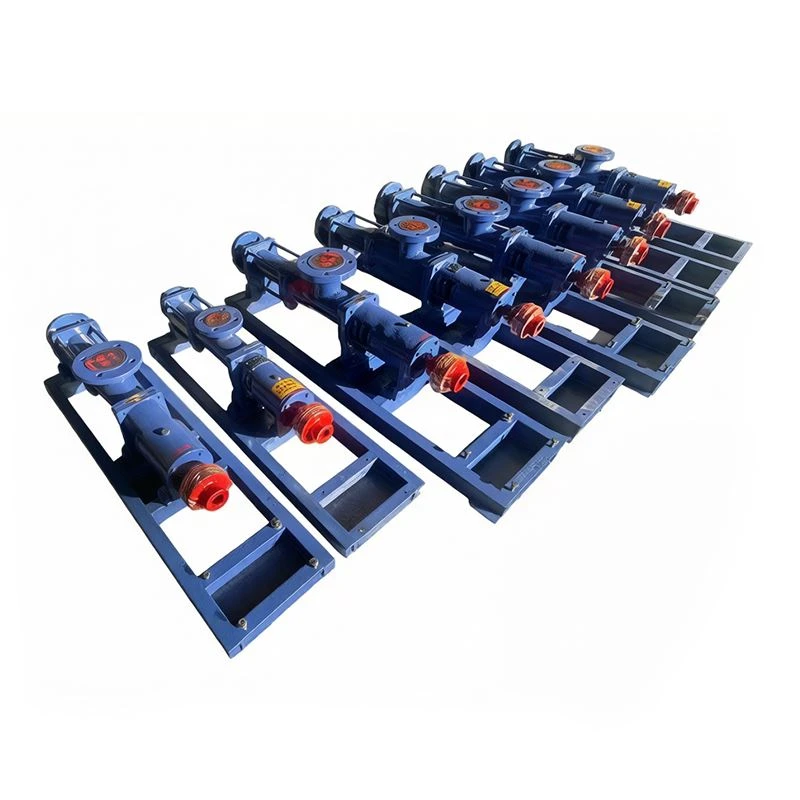
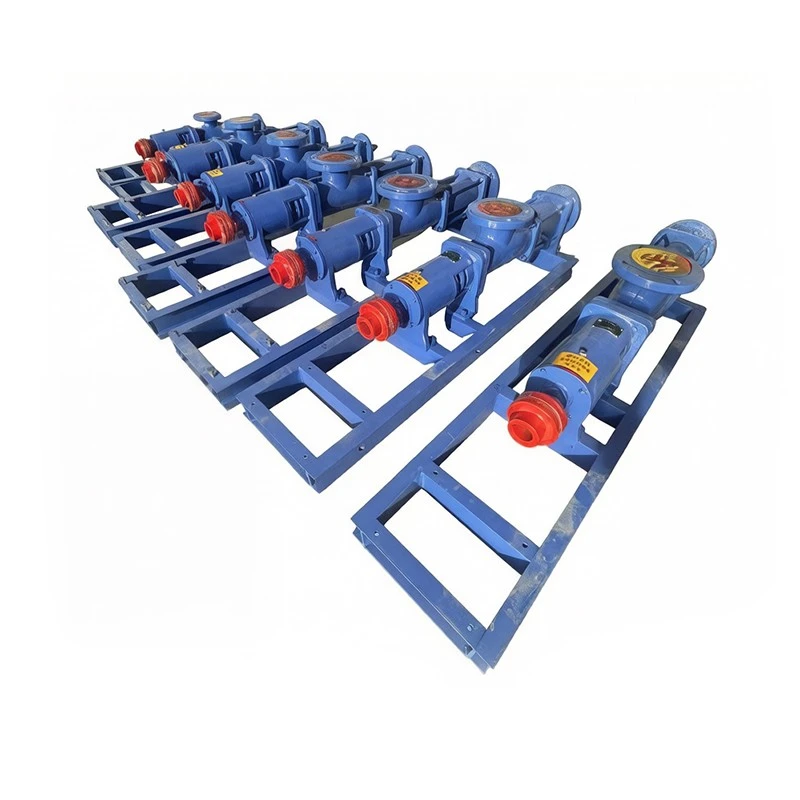
Factors Affecting Discharge Capacity
Several factors can affect the discharge capacity of a screw pump. These include:
- Pump Design: The design of the pump, including the number of screws, the pitch of the screws, and the size of the housing, can significantly impact the discharge capacity. A well-designed pump with the appropriate screw configuration can provide a higher flow rate.
- Fluid Viscosity: The viscosity of the fluid being pumped is another crucial factor. Screw pumps are particularly suitable for handling viscous fluids, but as the viscosity increases, the pump's efficiency and discharge capacity may decrease.
- Speed of Rotation: The speed at which the pump operates also affects the discharge capacity. Generally, increasing the speed of rotation can increase the flow rate, but it is important to ensure that the pump is operating within its recommended speed range to avoid excessive wear and tear.
- Inlet and Outlet Conditions: The conditions at the inlet and outlet of the pump, such as the pressure and temperature, can also impact the discharge capacity. A higher inlet pressure or a lower outlet pressure can increase the flow rate.
Strategies to Increase Discharge Capacity
Now that we have a better understanding of the factors affecting discharge capacity, let's explore some strategies to increase it:
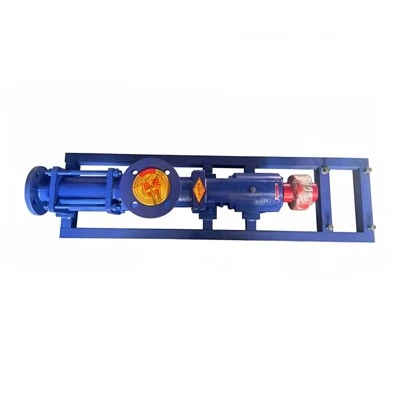
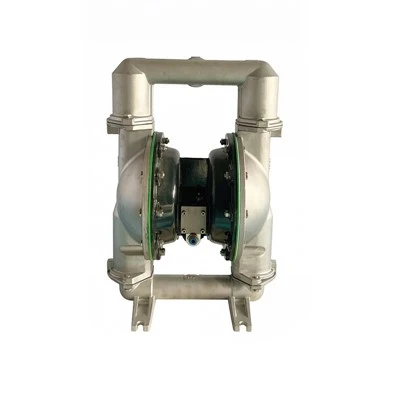
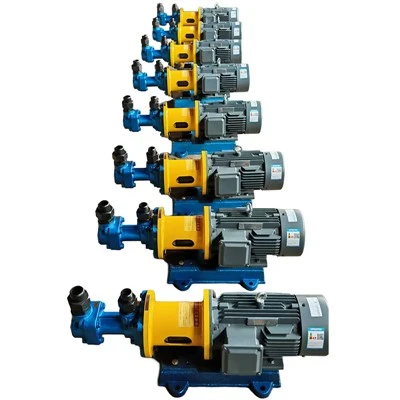
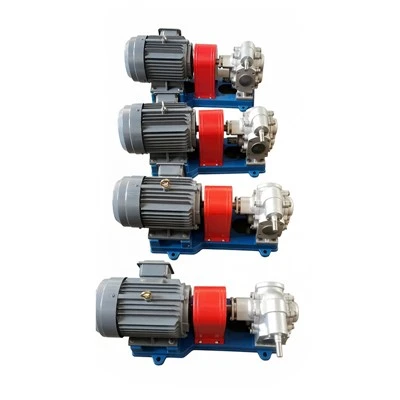
- Optimize Pump Design: Selecting the right pump design for your application is crucial. Consider the fluid viscosity, flow rate requirements, and pressure conditions when choosing a pump. A pump with a larger housing and a higher number of screws may provide a higher discharge capacity. You can explore different pump options on our website, such as Industrial Screw Pumps, Stainless Steel Screw Pump, and High Pressure Screw Pump.
- Adjust the Speed of Rotation: Increasing the speed of rotation can increase the discharge capacity of the pump. However, it is important to note that excessive speed can lead to increased wear and tear on the pump components. Consult the pump manufacturer's guidelines to determine the maximum recommended speed for your pump.
- Improve Inlet Conditions: Ensuring a smooth and consistent flow of fluid into the pump can help increase the discharge capacity. This can be achieved by using a proper inlet piping system, avoiding any restrictions or blockages, and maintaining a sufficient inlet pressure.
- Reduce Outlet Resistance: Minimizing the resistance at the outlet of the pump can also increase the discharge capacity. This can be done by using a larger diameter outlet pipe, reducing the length of the outlet pipe, and avoiding any sharp bends or restrictions.
- Maintain the Pump: Regular maintenance of the pump is essential to ensure its optimal performance. This includes checking and replacing worn-out components, lubricating the moving parts, and cleaning the pump regularly. A well-maintained pump will operate more efficiently and provide a higher discharge capacity.
Case Studies
To illustrate the effectiveness of these strategies, let's look at some case studies:
- Case Study 1: Oil and Gas Industry
- A company in the oil and gas industry was experiencing low discharge capacity with their existing screw pump. After analyzing the pump's design and operating conditions, it was determined that the pump was not suitable for the high-viscosity oil being pumped. The company replaced the pump with a High Pressure Screw Pump specifically designed for handling viscous fluids. The new pump had a larger housing and a higher number of screws, which increased the discharge capacity by 30%.
- Case Study 2: Food and Beverage Industry
- A food and beverage company was using a screw pump to transfer a thick sauce. The pump was operating at a low speed, resulting in a low discharge capacity. By increasing the speed of rotation within the recommended range, the company was able to increase the flow rate by 20%. Additionally, the company improved the inlet conditions by installing a larger diameter inlet pipe, which further increased the discharge capacity.
Conclusion
Increasing the discharge capacity of a screw pump is essential for improving the efficiency and productivity of industrial processes. By understanding the factors affecting discharge capacity and implementing the strategies discussed in this blog post, you can optimize the performance of your screw pump and achieve higher flow rates. If you have any questions or need further assistance in selecting the right screw pump for your application, please feel free to contact us. We are a leading supplier of screw pumps and can provide you with expert advice and solutions.
References
- "Screw Pump Handbook" by Pump Industry Association
- "Fluid Mechanics and Pump Selection" by John Doe