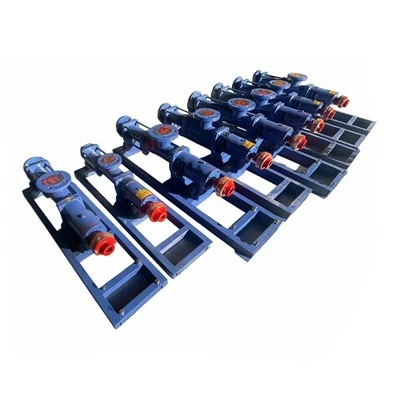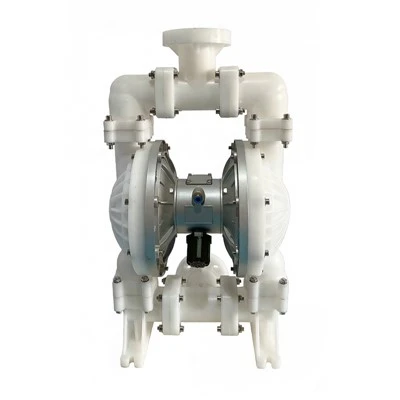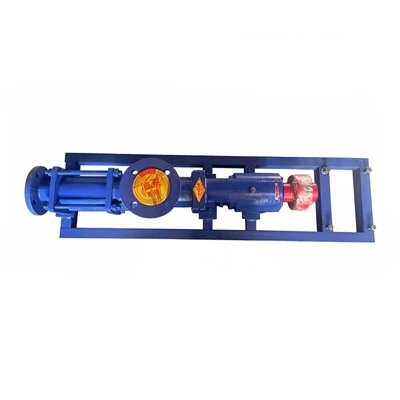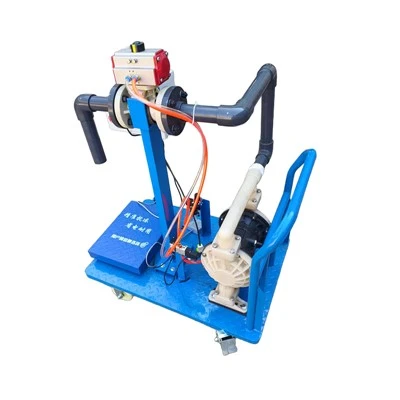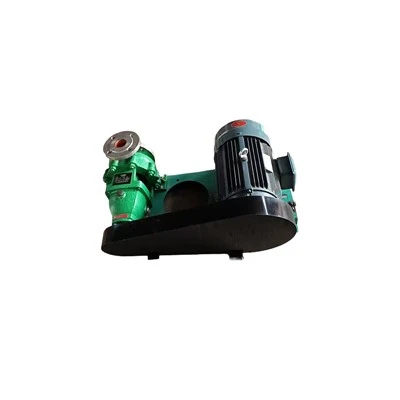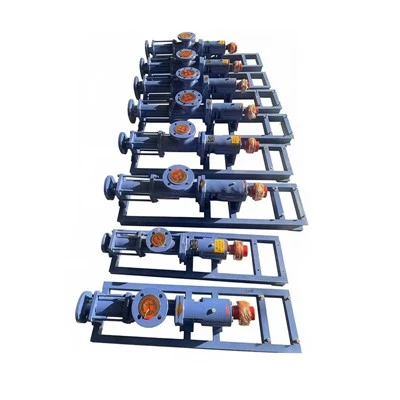
Industrial screw pumps are crucial components in various industrial processes, responsible for transferring fluids efficiently. As an Industrial Screw Pumps supplier, we understand the significance of energy efficiency in modern industrial operations. Not only does it reduce operational costs, but it also contributes to a more sustainable environment. In this blog, we will explore several effective ways to improve the energy efficiency of industrial screw pumps.


1. Proper Pump Selection
- Understand System Requirements: The first step in improving energy efficiency is to select the right pump for the specific application. Analyze the system requirements, including the flow rate, head pressure, viscosity of the fluid, and operating temperature. Using a pump that is oversized for the application will lead to unnecessary energy consumption. For example, if a process requires a relatively low flow rate, using a large - capacity pump will cause it to operate far from its best - efficiency point (BEP).
- Consider Pump Design: Different types of screw pumps are available for various applications. For instance, Single Screw Pump is suitable for handling viscous and abrasive fluids, while High Pressure Screw Pump is designed for applications that require high - pressure output. By choosing the pump design that best matches the process requirements, you can ensure optimal energy use.
2. Optimize System Design
- Reduce Pipe Friction: Minimizing pipe friction is essential for improving pump energy efficiency. Use pipes with larger diameters whenever possible to reduce the fluid velocity and thus the frictional losses. Additionally, ensure that the pipes are clean and free from debris, as blockages or rough internal surfaces can increase friction. For example, installing smooth - walled pipes can significantly reduce the energy required to move the fluid through the system.
- Eliminate Unnecessary Components: Review the piping system to eliminate any unnecessary valves, fittings, or other components. Each additional component adds to the pressure drop in the system, which in turn requires the pump to work harder and consume more energy. By streamlining the system design, you can reduce the overall energy consumption of the pump.
3. Regular Maintenance
- Lubrication and Sealing: Proper lubrication of the pump's moving parts is crucial for reducing friction and wear. Regularly check and replace the lubricant according to the manufacturer's recommendations. In addition, ensure that the seals are in good condition. Leaking seals can cause the pump to lose efficiency as it has to work harder to maintain the required pressure. A well - maintained sealing system can prevent fluid leakage and improve the overall energy efficiency of the pump.
- Inspect and Replace Worn Parts: Over time, the components of the screw pump, such as the screws and bearings, can wear out. Regularly inspect these parts and replace them when necessary. Worn parts can cause increased vibration, reduced efficiency, and even premature pump failure. By replacing worn parts in a timely manner, you can keep the pump operating at its peak efficiency.
4. Implement Variable Speed Drives (VSDs)
- Match Pump Speed to Demand: Variable speed drives allow the pump to operate at different speeds according to the actual process requirements. Instead of running the pump at a constant speed, VSDs can adjust the speed to match the changing flow rate and pressure needs. For example, during periods of low demand, the pump can operate at a lower speed, consuming less energy. When the demand increases, the speed can be increased accordingly.
- Energy Savings Potential: Studies have shown that the use of VSDs can result in significant energy savings in industrial pump applications. The energy consumption of a pump is proportional to the cube of its speed. Therefore, even a small reduction in speed can lead to a substantial decrease in energy consumption. By installing VSDs on industrial screw pumps, it is possible to achieve energy savings of up to 50% or more in some cases.
5. Monitor and Control Pump Performance
- Install Monitoring Systems: Installing monitoring systems on the pump can provide real - time data on its performance, including flow rate, pressure, power consumption, and temperature. By continuously monitoring these parameters, operators can detect any changes in the pump's performance early and take corrective actions. For example, if the power consumption suddenly increases, it may indicate a problem such as a blocked pipe or a worn - out component.
- Automate Control Systems: Automating the pump control systems can further improve energy efficiency. Based on the data from the monitoring systems, the control system can automatically adjust the pump speed, valve positions, or other operating parameters to optimize the energy use. This reduces the need for manual intervention and ensures that the pump operates at the most energy - efficient level at all times.
6. Consider Fluid Properties
- Viscosity Management: The viscosity of the fluid being pumped has a significant impact on the pump's energy consumption. Higher - viscosity fluids require more energy to move through the pump and the piping system. If possible, adjust the temperature of the fluid to reduce its viscosity. For some applications, using additives to modify the fluid's viscosity can also be considered.
- Fluid Density: The density of the fluid also affects the pump's performance. Heavier fluids require more energy to pump. When selecting a pump, take into account the density of the fluid. Additionally, if the density of the fluid varies during the operation, the pump control system should be able to adjust accordingly to maintain energy efficiency.
7. Training and Education
- Operator Training: Provide comprehensive training for the operators who are responsible for the pump's operation and maintenance. Operators should understand the principles of pump energy efficiency, how to monitor the pump's performance, and how to perform basic maintenance tasks. Well - trained operators are more likely to operate the pump in an energy - efficient manner and detect potential problems early.
- Industry Best Practices: Keep the operators informed about the latest industry best practices in pump energy efficiency. Encourage them to participate in training courses and seminars to learn about new technologies and techniques for improving pump performance.
As an Industrial Screw Pumps supplier, we are committed to providing high - quality products that are energy - efficient. We offer a wide range of screw pumps, including Stainless Steel Screw Pump, Micro Screw Pump, and more. If you are looking to improve the energy efficiency of your industrial processes or need to upgrade your existing pump system, please contact us to discuss your specific requirements. Our team of experts will be happy to provide you with professional advice and solutions.
References
- Karassik, I. J., Messina, J. P., Cooper, P. W., & Heald, C. C. (2008). Pump Handbook. McGraw - Hill.
- Hydraulic Institute. (2000). ANSI/HI 1.1 - 1.2 Rotodynamic Pumps for Design and Application.
- ASHRAE. (2016). ASHRAE Handbook - HVAC Systems and Equipment.