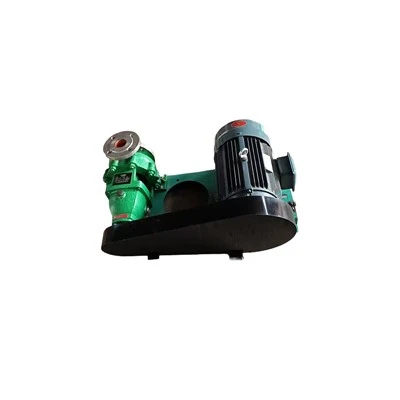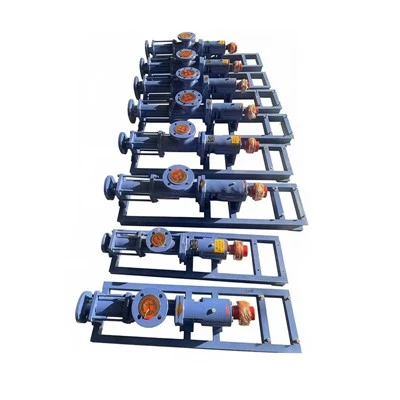
Hey there! As a supplier of High Viscosity Lobe Pumps, I often get asked about how to adjust the flow rate of these pumps. It's a crucial aspect, especially when dealing with high - viscosity fluids. So, let's dive right into it.
Understanding High Viscosity Lobe Pumps
First off, a high viscosity lobe pump is a type of positive displacement pump. These pumps are designed to handle thick, sticky fluids that other pumps might struggle with. They work by using two or more lobes that rotate within the pump chamber. As the lobes rotate, they create cavities that trap the fluid and move it from the inlet to the outlet.
If you're interested in different types of lobe pumps, we have some great options like the Sanitary Rotary Lobe Pump, Cam Rotor Pump, and Stainless Steel Lobe Pumps. But today, we're focusing on the High Viscosity Lobe Pump.


Factors Affecting Flow Rate
Before we talk about adjusting the flow rate, it's important to understand the factors that can affect it.
- Viscosity of the Fluid: High - viscosity fluids are thicker and more resistant to flow. So, the higher the viscosity, the lower the flow rate. For example, pumping honey (a high - viscosity fluid) will result in a slower flow rate compared to pumping water.
- Pump Speed: The speed at which the lobes rotate in the pump directly affects the flow rate. Faster rotation means more fluid is moved per unit of time, increasing the flow rate.
- Pressure: The pressure at the inlet and outlet of the pump also plays a role. Higher pressure at the outlet can restrict the flow, while lower pressure at the inlet can cause cavitation, which also affects the flow rate.
Methods to Adjust the Flow Rate
1. Changing the Pump Speed
One of the most common ways to adjust the flow rate of a high viscosity lobe pump is by changing the pump speed. You can do this in a few different ways.
- Variable Frequency Drives (VFDs): A VFD is a device that controls the speed of an electric motor by varying the frequency of the electrical power supplied to it. By using a VFD, you can easily adjust the speed of the pump motor, and thus the flow rate. It's a very precise method, allowing you to fine - tune the flow rate according to your needs. For example, if you need a lower flow rate for a particular process, you can simply reduce the frequency on the VFD.
- Mechanical Speed Reducers: These are physical devices that can be used to reduce the speed of the pump. They work by using gears or belts to change the ratio of the input speed to the output speed. While they are not as precise as VFDs, they are often more cost - effective and can be a good option for applications where a less precise flow rate adjustment is acceptable.
2. Modifying the Pump Geometry
Another way to adjust the flow rate is by modifying the pump geometry.
- Changing the Lobe Size: Larger lobes can move more fluid per rotation, increasing the flow rate. However, changing the lobe size is not always a practical option as it often requires replacing the pump or at least the lobe assembly.
- Adjusting the Clearance: The clearance between the lobes and the pump housing can also affect the flow rate. A smaller clearance can increase the efficiency of the pump and potentially increase the flow rate. But you need to be careful not to make the clearance too small, as it can cause excessive wear on the pump components.
3. Controlling the System Pressure
The pressure in the system can have a significant impact on the flow rate.
- Throttle Valves: You can use throttle valves to control the pressure at the outlet of the pump. By partially closing the valve, you can increase the pressure, which in turn can reduce the flow rate. However, this method can be less efficient as it can cause energy losses due to the restriction of flow.
- Back - Pressure Regulators: These devices are designed to maintain a constant pressure at the outlet of the pump. By adjusting the set pressure on the back - pressure regulator, you can control the flow rate. They are more efficient than throttle valves as they can adjust the pressure without causing excessive energy losses.
Tips for Adjusting the Flow Rate
- Start Slow: When making adjustments to the flow rate, it's always a good idea to start with small changes. This allows you to monitor the effects of the changes and make further adjustments as needed.
- Monitor the System: Keep an eye on the pressure, temperature, and other parameters of the system. Any significant changes in these parameters can indicate that something is wrong with the pump or the flow rate adjustment.
- Consult the Manufacturer: If you're unsure about how to adjust the flow rate, don't hesitate to contact the pump manufacturer. They have the expertise and can provide you with specific instructions based on your pump model.
Conclusion
Adjusting the flow rate of a high viscosity lobe pump is an important task that requires careful consideration of various factors. Whether you choose to change the pump speed, modify the pump geometry, or control the system pressure, each method has its own advantages and disadvantages.
If you're in the market for a high viscosity lobe pump or need more information on flow rate adjustment, feel free to reach out to us. We're here to help you find the right solution for your specific needs.
References
- "Positive Displacement Pumps: Principles and Applications" by David A. Swain
- "Pump Handbook" by Igor J. Karassik et al.