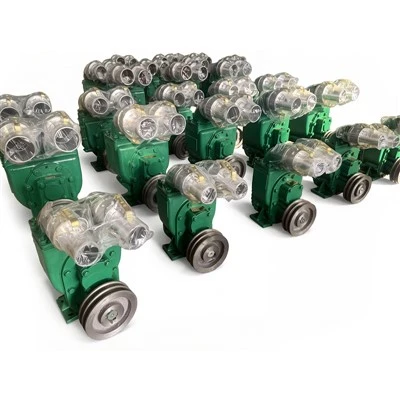
The performance of an aluminum diaphragm pump is intricately linked to multiple factors, with the diameters of the pump inlet and outlet pipes being among the most critical. As a reputable supplier of Aluminum Diaphragm Pump, we have witnessed firsthand the profound impact that these pipe diameters can have on the overall efficiency and functionality of the pump. In this blog, we will delve into the science behind this relationship and explore how different inlet and outlet pipe diameters can affect the performance of an aluminum diaphragm pump.
Understanding the Basics of an Aluminum Diaphragm Pump
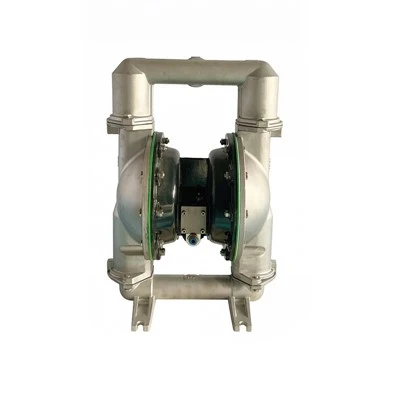
Before we discuss the impact of pipe diameters, it is essential to understand the basic working principle of an aluminum diaphragm pump. These pumps operate by using a flexible diaphragm that moves back and forth, creating a vacuum on one side and pressure on the other. This action allows the pump to draw in fluid through the inlet and expel it through the outlet. The diaphragm is typically made of a durable material such as rubber or thermoplastic, and it is driven by either an electric motor or a pneumatic system.
The Role of Inlet Pipe Diameter
The inlet pipe diameter plays a crucial role in determining the amount of fluid that can be drawn into the pump. A larger inlet pipe diameter allows for a greater volume of fluid to enter the pump, which can increase the pump's flow rate. However, it is important to note that increasing the inlet pipe diameter beyond a certain point may not necessarily result in a proportional increase in flow rate. This is because other factors, such as the pump's design and the viscosity of the fluid, can also limit the flow rate.
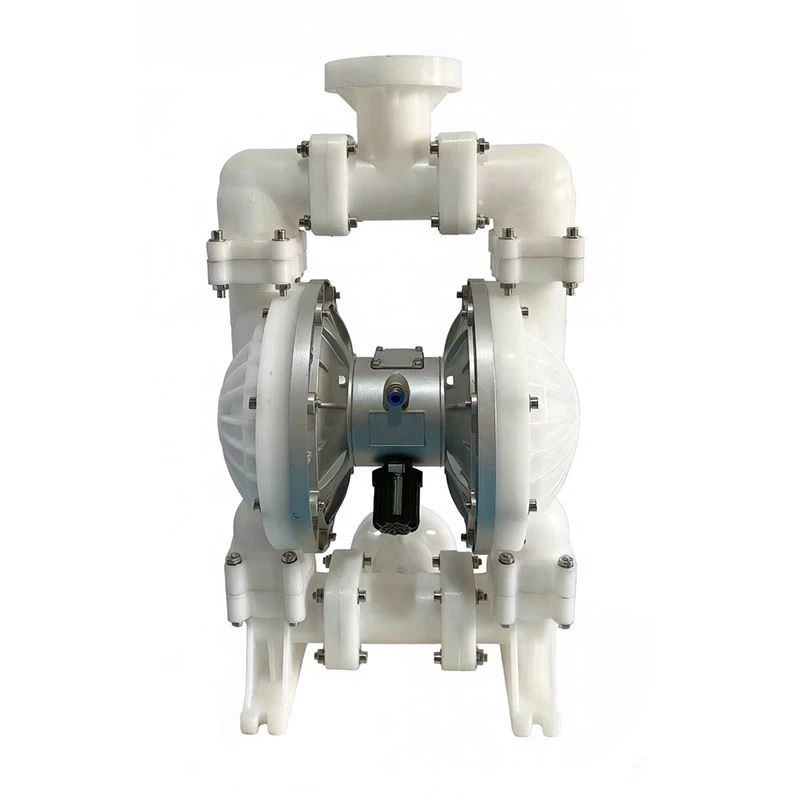
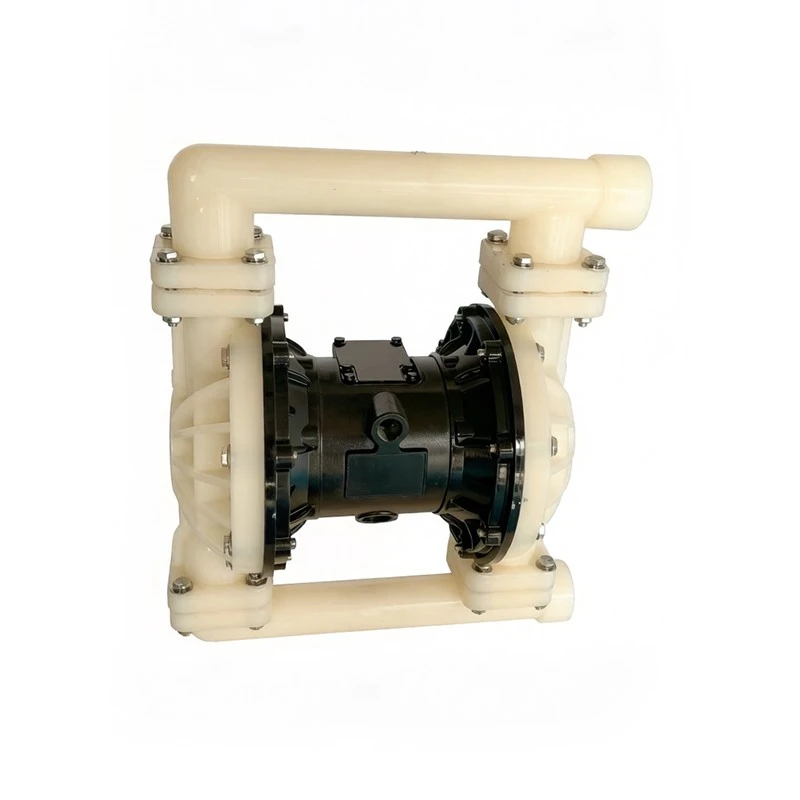
On the other hand, a smaller inlet pipe diameter can restrict the flow of fluid into the pump, leading to a decrease in flow rate. This can cause the pump to work harder to draw in the same amount of fluid, which can increase energy consumption and reduce the pump's efficiency. Additionally, a smaller inlet pipe diameter can increase the risk of cavitation, which is a phenomenon that occurs when the pressure in the pump drops below the vapor pressure of the fluid, causing the formation of vapor bubbles. These bubbles can collapse when they reach a higher pressure area, creating shock waves that can damage the pump and reduce its lifespan.
The Impact of Outlet Pipe Diameter
The outlet pipe diameter also has a significant impact on the performance of an aluminum diaphragm pump. A larger outlet pipe diameter allows for a greater volume of fluid to be expelled from the pump, which can increase the pump's flow rate and reduce the pressure drop across the pump. This can improve the pump's efficiency and reduce energy consumption.
Conversely, a smaller outlet pipe diameter can restrict the flow of fluid out of the pump, leading to an increase in pressure drop across the pump. This can cause the pump to work harder to overcome the resistance, which can increase energy consumption and reduce the pump's efficiency. Additionally, a smaller outlet pipe diameter can increase the risk of backflow, which is a phenomenon that occurs when the fluid flows back into the pump instead of being expelled through the outlet. This can damage the pump and reduce its lifespan.
Finding the Optimal Pipe Diameters
To ensure optimal performance of an aluminum diaphragm pump, it is important to select the appropriate inlet and outlet pipe diameters based on the specific application requirements. Factors such as the flow rate, pressure, viscosity of the fluid, and the length of the pipes should all be considered when determining the optimal pipe diameters.
In general, it is recommended to use a larger inlet pipe diameter to allow for a greater volume of fluid to enter the pump and a larger outlet pipe diameter to allow for a greater volume of fluid to be expelled from the pump. However, it is important to note that the optimal pipe diameters may vary depending on the specific pump design and the application requirements.
Real-World Examples
To illustrate the impact of pipe diameters on the performance of an aluminum diaphragm pump, let's consider a few real-world examples.
Example 1: Chemical Transfer Application
In a chemical transfer application, a small electric diaphragm pump is used to transfer a corrosive chemical from a storage tank to a processing vessel. The pump has a maximum flow rate of 10 gallons per minute (GPM) and a maximum pressure of 50 pounds per square inch (PSI). The original inlet and outlet pipe diameters are both 1/2 inch.
After conducting a performance analysis, it was found that the pump was not achieving its maximum flow rate and was consuming more energy than expected. By increasing the inlet pipe diameter to 3/4 inch and the outlet pipe diameter to 1 inch, the pump's flow rate increased to 12 GPM, and the energy consumption decreased by 20%. This improvement in performance was due to the reduced resistance to fluid flow caused by the larger pipe diameters.
Example 2: Pneumatic Diaphragm Pump in a Mining Application
In a mining application, a pneumatic operated diaphragm pump is used to transfer slurry from a sump to a processing plant. The pump has a maximum flow rate of 50 GPM and a maximum pressure of 100 PSI. The original inlet and outlet pipe diameters are both 2 inches.
After experiencing frequent pump failures and reduced performance, a detailed analysis was conducted. It was discovered that the small pipe diameters were causing excessive pressure drop and cavitation, leading to damage to the pump's diaphragm and valves. By increasing the inlet and outlet pipe diameters to 3 inches, the pressure drop was significantly reduced, and the cavitation was eliminated. This resulted in a 30% increase in the pump's flow rate and a 50% reduction in maintenance costs.
Conclusion
In conclusion, the diameters of the pump inlet and outlet pipes have a significant impact on the performance of an aluminum diaphragm pump. By selecting the appropriate pipe diameters based on the specific application requirements, it is possible to improve the pump's flow rate, efficiency, and lifespan. As a supplier of Aluminum Diaphragm Pump, we are committed to providing our customers with the highest quality pumps and expert advice on pump selection and installation. If you have any questions or need assistance with selecting the right pump for your application, please do not hesitate to contact us for a procurement discussion.
References
- Pump Handbook, 4th Edition, Karassik, Messina, Cooper, and Heald
- Fluid Mechanics, 5th Edition, Frank M. White
- Chemical Engineering Fluid Mechanics, 3rd Edition, Ron Darby