As a supplier of rotary lobe pumps, I often encounter inquiries about the efficiency of these remarkable machines. Efficiency is a critical factor in any industrial equipment, and rotary lobe pumps are no exception. In this blog, I will delve into the concept of efficiency in rotary lobe pumps, exploring the various factors that influence it and how it impacts your operations.
Understanding Efficiency in Rotary Lobe Pumps
Efficiency in a rotary lobe pump refers to the ratio of the useful work done by the pump to the energy input. In simpler terms, it measures how effectively the pump converts electrical or mechanical energy into fluid flow. A more efficient pump requires less energy to move a given volume of fluid, resulting in lower operating costs and reduced environmental impact.
There are two main types of efficiency to consider in rotary lobe pumps: volumetric efficiency and mechanical efficiency.
Volumetric Efficiency
Volumetric efficiency is a measure of how well the pump fills and empties its chambers. It is calculated as the ratio of the actual flow rate to the theoretical flow rate. In an ideal scenario, the actual flow rate would match the theoretical flow rate, resulting in 100% volumetric efficiency. However, in real-world applications, several factors can cause the actual flow rate to be lower than the theoretical flow rate, reducing volumetric efficiency.
Some of the factors that can affect volumetric efficiency include:
- Clearances: The clearances between the lobes and the pump housing and between the lobes themselves play a crucial role in determining volumetric efficiency. If the clearances are too large, fluid can leak past the lobes, reducing the amount of fluid pumped per revolution. On the other hand, if the clearances are too small, the pump may experience excessive wear and tear, leading to reduced efficiency and increased maintenance costs.
- Viscosity: The viscosity of the fluid being pumped also affects volumetric efficiency. Fluids with higher viscosities are more resistant to flow, which can make it more difficult for the pump to fill and empty its chambers. As a result, the volumetric efficiency of the pump may decrease as the viscosity of the fluid increases.
- Speed: The speed at which the pump operates can also impact volumetric efficiency. Generally, higher speeds can result in higher flow rates, but they can also increase the amount of fluid leakage and reduce the time available for the chambers to fill and empty. As a result, there is an optimal speed at which the pump can operate to achieve maximum volumetric efficiency.
Mechanical Efficiency
Mechanical efficiency is a measure of how well the pump converts the input power into useful work. It is calculated as the ratio of the hydraulic power output to the input power. The hydraulic power output is the power required to move the fluid against the system pressure, while the input power is the power supplied to the pump by the motor or other drive mechanism.
Some of the factors that can affect mechanical efficiency include:
- Friction: Friction between the moving parts of the pump, such as the lobes, bearings, and seals, can cause energy losses and reduce mechanical efficiency. To minimize friction, it is important to use high-quality materials and lubricants and to ensure that the pump is properly maintained.
- Fluid Characteristics: The characteristics of the fluid being pumped, such as its viscosity, density, and temperature, can also affect mechanical efficiency. Fluids with higher viscosities require more energy to pump, which can reduce the mechanical efficiency of the pump. Additionally, fluids with high temperatures can cause the pump components to expand, increasing friction and reducing efficiency.
- System Design: The design of the pumping system, including the piping layout, valves, and fittings, can also impact mechanical efficiency. A poorly designed system can cause excessive pressure drops, which can increase the energy required to pump the fluid and reduce the mechanical efficiency of the pump.
Improving the Efficiency of Rotary Lobe Pumps
As a supplier of rotary lobe pumps, I am committed to helping my customers improve the efficiency of their pumping systems. Here are some tips to help you maximize the efficiency of your rotary lobe pump:
- Select the Right Pump: Choosing the right pump for your application is crucial for achieving optimal efficiency. Consider factors such as the flow rate, pressure, viscosity, and temperature of the fluid being pumped, as well as the system design and operating conditions. Our team of experts can help you select the most suitable pump for your specific needs.
- Optimize the Pump Speed: As mentioned earlier, there is an optimal speed at which the pump can operate to achieve maximum volumetric efficiency. By adjusting the pump speed to match the requirements of the application, you can minimize fluid leakage and improve the overall efficiency of the pump.
- Maintain Proper Clearances: Regular maintenance is essential for ensuring that the pump operates at peak efficiency. This includes checking and adjusting the clearances between the lobes and the pump housing and between the lobes themselves to minimize fluid leakage.
- Use High-Quality Components: Using high-quality components, such as bearings, seals, and lobes, can help reduce friction and improve the mechanical efficiency of the pump. Our rotary lobe pumps are designed and manufactured using the latest technology and the highest quality materials to ensure reliable and efficient operation.
- Monitor and Analyze Performance: Regularly monitoring and analyzing the performance of your pump can help you identify any issues or inefficiencies and take corrective action before they become major problems. This includes measuring the flow rate, pressure, temperature, and power consumption of the pump and comparing them to the manufacturer's specifications.
Applications of Rotary Lobe Pumps and Efficiency Considerations
Rotary lobe pumps are widely used in a variety of industries, including food and beverage, pharmaceutical, chemical, and wastewater treatment. Each application has its own unique requirements and challenges, and efficiency plays a crucial role in determining the success of the operation.
Food and Beverage Industry
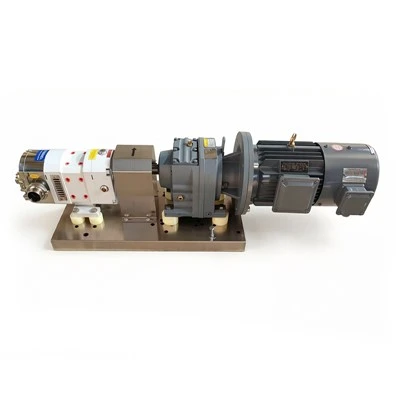
In the food and beverage industry, rotary lobe pumps are commonly used for transferring liquids such as milk, juice, beer, and yogurt. These pumps are preferred for their gentle handling of the product, which helps preserve its quality and flavor. Efficiency is important in this industry to minimize energy consumption and reduce operating costs. Our Sanitary Rotary Lobe Pump is designed to meet the strict hygiene standards of the food and beverage industry while providing high efficiency and reliable performance.
Pharmaceutical Industry
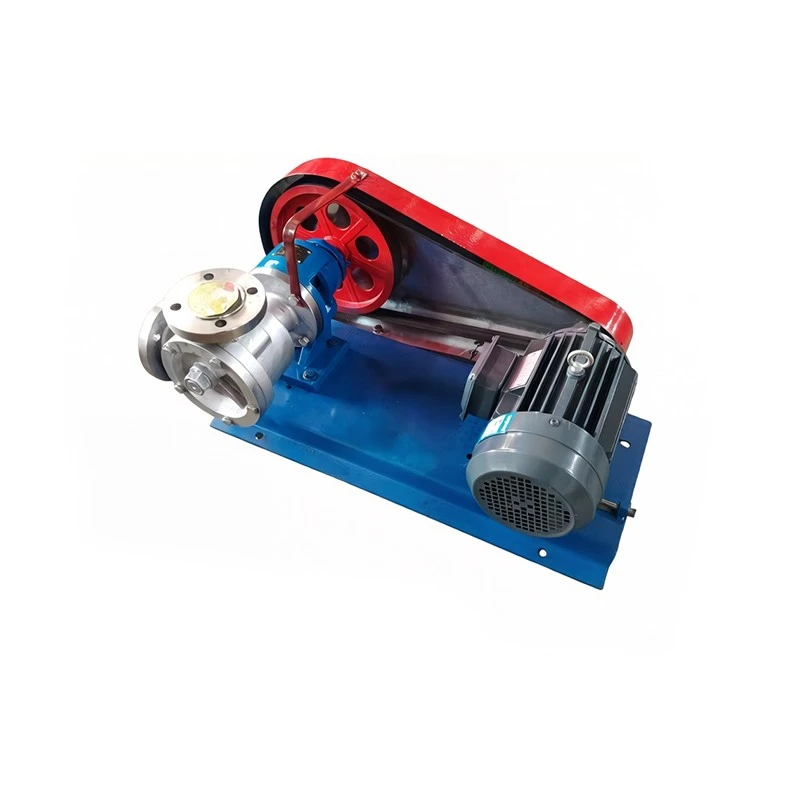
The pharmaceutical industry requires pumps that can handle a wide range of viscosities and temperatures while maintaining the highest level of purity and sterility. Rotary lobe pumps are well-suited for this application due to their ability to provide a smooth, pulsation-free flow. Efficiency is crucial in the pharmaceutical industry to ensure that the production process is cost-effective and environmentally friendly. Our Stainless Steel Lobe Pumps are made from high-quality stainless steel and are designed to meet the stringent requirements of the pharmaceutical industry.
Chemical Industry
In the chemical industry, rotary lobe pumps are used for transferring a variety of chemicals, including acids, bases, solvents, and polymers. These pumps must be able to handle corrosive and abrasive fluids while maintaining their efficiency and reliability. Efficiency is important in the chemical industry to minimize energy consumption and reduce the risk of spills and leaks. Our High Viscosity Lobe Pump is designed to handle high-viscosity fluids with ease, providing efficient and reliable performance in even the most challenging chemical applications.
Wastewater Treatment Industry
The wastewater treatment industry requires pumps that can handle large volumes of wastewater and sludge while maintaining their efficiency and reliability. Rotary lobe pumps are well-suited for this application due to their ability to handle solids and fibrous materials without clogging. Efficiency is crucial in the wastewater treatment industry to minimize energy consumption and reduce the cost of operation. Our Cam Rotor Pump is designed to handle the tough conditions of the wastewater treatment industry, providing high efficiency and reliable performance.
Conclusion
Efficiency is a critical factor in the performance of rotary lobe pumps. By understanding the factors that influence efficiency and taking steps to improve it, you can reduce operating costs, increase productivity, and minimize the environmental impact of your pumping system. As a supplier of rotary lobe pumps, I am dedicated to providing my customers with the highest quality products and services to help them achieve their efficiency goals.
If you are interested in learning more about our rotary lobe pumps or would like to discuss your specific application requirements, please do not hesitate to contact us. We look forward to the opportunity to work with you and help you find the most efficient pumping solution for your needs.
References
- Karassik, I. J., Messina, J. P., Cooper, P. T., & Heald, C. C. (2008). Pump Handbook. McGraw-Hill Professional.
- Stepanoff, A. J. (1957). Centrifugal and Axial Flow Pumps: Theory, Design and Application. John Wiley & Sons.
- Walas, S. M. (1990). Chemical Process Equipment: Selection and Design. Butterworth-Heinemann.