Introduction
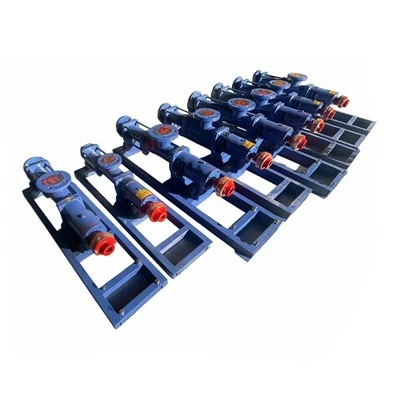
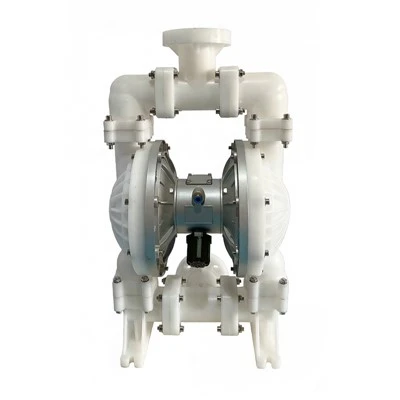
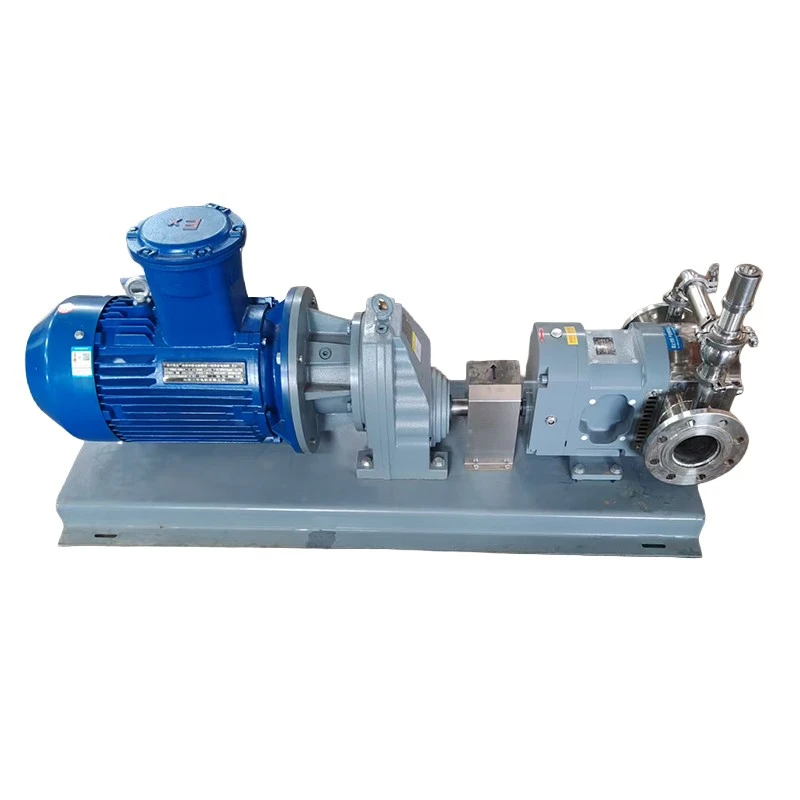
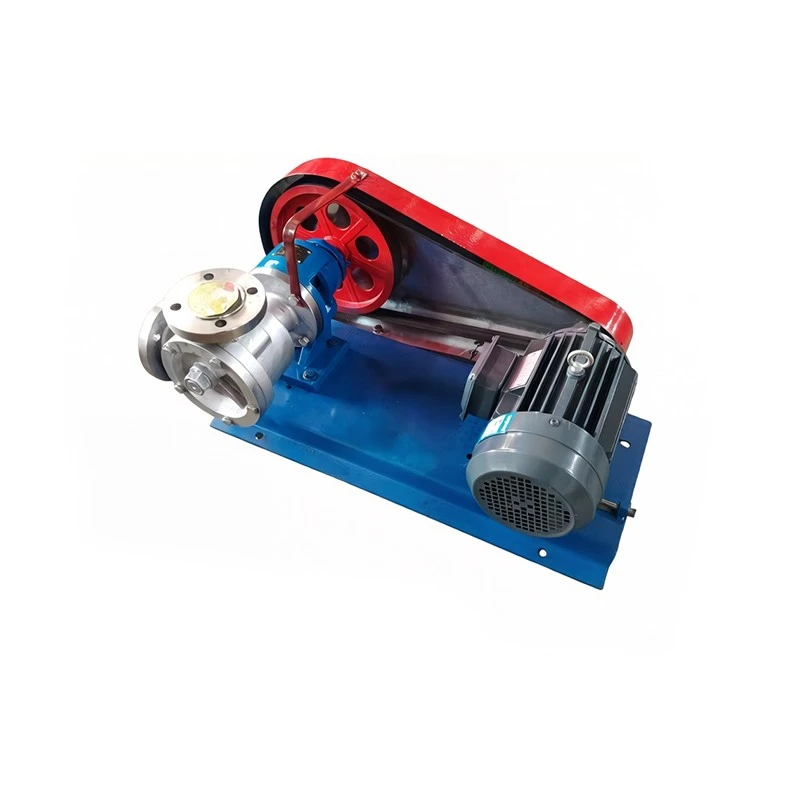
As a leading supplier of rotary lobe pumps, we understand the critical importance of proper cleaning in the food industry. Rotary lobe pumps are widely used in the food processing sector due to their gentle pumping action, ability to handle high - viscosity fluids, and excellent self - priming capabilities. However, maintaining a high level of hygiene is non - negotiable to ensure the safety and quality of food products. In this blog, we will share detailed steps on how to clean a rotary lobe pump used in the food industry.
Understanding the Importance of Cleaning
Food products are highly susceptible to contamination. Bacteria, fungi, and other microorganisms can thrive in the residual food particles left inside the pump. If not cleaned properly, these contaminants can contaminate subsequent batches of food, leading to product spoilage and potential health risks for consumers. Moreover, regular cleaning can extend the lifespan of the pump by preventing the build - up of corrosive materials and reducing wear and tear on the pump's components.
Pre - cleaning Preparation
Before starting the cleaning process, it is essential to take the following safety measures:
- Isolate the pump: Turn off the power supply to the pump and lock out the switch to prevent accidental startup. This will protect you from electrical hazards.
- Relieve pressure: Open all the relevant valves to relieve any pressure inside the pump and the connected piping system.
- Drain the pump: Empty the pump of all the remaining food product. You can do this by opening the drain valve at the bottom of the pump housing.
Disassembly (if required)
In some cases, it may be necessary to disassemble the pump for a thorough cleaning. However, this should only be done if the pump's design allows for it and if you have the proper training.
- Remove the covers: Use the appropriate tools to remove the end covers and access the internal components of the pump.
- Take out the rotors: Carefully remove the lobe rotors from the pump. Handle them with care to avoid damage as they are precision - engineered parts.
- Label the parts: To ensure proper reassembly, label all the removed parts clearly. You can use stickers or a marker to mark the orientation and position of each part.
Cleaning Process
Step 1: Rinse with Water
The first step in the cleaning process is to rinse the pump with clean water.
- Connect a water source: Use a hose or a dedicated cleaning system to connect a supply of clean water to the pump's inlet.
- Flush the pump: Turn on the water supply and let the water flow through the pump for a few minutes. This will remove any loose food particles and debris from the pump's interior.
Step 2: Use a Cleaning Solution
After rinsing, a cleaning solution should be used to disinfect the pump.
- Select the appropriate cleaning solution: For food - grade applications, choose a cleaning solution that is approved for use in the food industry. These solutions are typically formulated to be non - toxic and effective at removing grease, oil, and bacteria.
- Prepare the solution: Follow the manufacturer's instructions to prepare the cleaning solution at the correct concentration.
- Circulate the solution: Use a circulation system to pump the cleaning solution through the pump for a specified period. This will ensure that all internal surfaces of the pump are thoroughly cleaned. For more information on pumps suitable for handling different solutions, you can check out our High Viscosity Lobe Pump and Cam Rotor Pump.
Step 3: Scrubbing (if necessary)
For stubborn residues, scrubbing may be required.
- Use a soft - bristle brush: Select a brush with soft bristles to avoid scratching the pump's surfaces.
- Scrub the components: Gently scrub the internal components of the pump, including the rotors, housing, and valves. Pay special attention to areas where food particles are likely to accumulate.
Step 4: Final Rinse
After using the cleaning solution, a final rinse with clean water is necessary to remove any traces of the cleaning solution.
- Flush with water again: Connect the water supply and let the clean water flow through the pump for several minutes to ensure complete removal of the cleaning solution.
Reassembly
Once the cleaning process is complete and the components are dry, reassemble the pump.
- Reinstall the rotors: Carefully place the rotors back into the pump housing, ensuring that they are correctly aligned.
- Attach the covers: Put the end covers back on and tighten the bolts to the specified torque.
Sanitization
After reassembly, the pump should be sanitized to eliminate any remaining microorganisms.
- Choose a sanitizing agent: Select a food - grade sanitizer approved for use in the food industry.
- Apply the sanitizer: Use a spray bottle or a circulation system to apply the sanitizer to the internal surfaces of the pump. Let it sit for the recommended contact time.
- Rinse again: Rinse the pump with clean water to remove any residual sanitizer. Our Sanitary Rotary Lobe Pump is designed to meet the highest sanitation standards in the food industry.
Verification
After cleaning and sanitization, it is important to verify the cleanliness of the pump.
- Visual inspection: Visually inspect the pump's interior to ensure that there are no visible signs of contamination or residue.
- Microbiological testing: If required, conduct microbiological testing to confirm that the pump meets the necessary hygiene standards.
Maintenance Tips for Cleanliness
- Regular monitoring: Establish a regular monitoring schedule to check the cleanliness of the pump during operation.
- Proper storage: When the pump is not in use, store it in a clean and dry environment to prevent contamination.
- Use of filters: Install filters in the piping system to prevent large particles from entering the pump and reducing the frequency of cleaning. Our Stainless Steel Lobe Pumps are designed with durability and easy maintenance in mind.
Conclusion
Proper cleaning of a rotary lobe pump used in the food industry is crucial for ensuring product safety and the longevity of the pump. By following the steps outlined in this blog, you can maintain a high level of hygiene in your food processing operations.
If you are interested in purchasing high - quality rotary lobe pumps or need further advice on pump cleaning and maintenance, we invite you to contact us for a detailed discussion. Our team of experts is always ready to assist you in finding the best solutions for your specific needs.
References
- Food and Drug Administration (FDA) guidelines on food processing equipment cleanliness.
- Manufacturer's manuals for rotary lobe pumps.