In the realm of fluid transfer and hydraulic systems, gear pumps stand out as reliable workhorses. As a trusted gear pump supplier, we understand the intricacies of these devices and are committed to providing in - depth knowledge to our customers. One of the crucial aspects that often goes under - the - radar but is of utmost importance is the clearance between gears in a gear pump.
Understanding the Basics of Gear Pumps
Before delving into the gear clearance, let's briefly understand how a gear pump operates. A gear pump is a type of positive displacement pump that uses the meshing of gears to pump fluid. The two main types of gear pumps are external gear pumps and internal gear pumps. In an external gear pump, two identical gears are meshed and rotate in opposite directions. The fluid is trapped in the spaces between the gear teeth and the pump housing, and as the gears rotate, the fluid is carried from the inlet to the outlet. In an internal gear pump, there is an outer gear and an inner gear that rotates inside the outer one, achieving a similar fluid - moving mechanism.
What is the Clearance between Gears in a Gear Pump?
The clearance between gears in a gear pump refers to the small gap that exists between the teeth of the meshing gears. This clearance is not a random space but is carefully engineered and specified. There are generally three types of clearances to consider:
- Radial Clearance: This is the clearance between the tips of the gear teeth and the inner surface of the pump housing. The radial clearance affects the leakage of fluid from the high - pressure side to the low - pressure side of the pump. If the radial clearance is too large, there will be excessive leakage, which reduces the pump's volumetric efficiency. On the other hand, if it is too small, there may be increased friction and wear between the gear teeth and the housing, leading to premature failure of the pump.
- Axial Clearance: Axial clearance is the space between the sides of the gears and the side plates or end covers of the pump. Similar to radial clearance, an appropriate axial clearance is essential. Too large an axial clearance can cause fluid to leak axially, while too small a clearance can result in binding of the gears and increased power consumption.
- Tooth - to - Tooth Clearance: This is the clearance between the tips of one gear's tooth and the corresponding tooth on the mating gear. Tooth - to - tooth clearance affects the smooth meshing of the gears. If the clearance is too large, there may be noise and vibration during pump operation. If it is too small, there can be interference between the teeth, leading to increased wear and potential damage to the gears.
Importance of Proper Gear Clearance
Proper gear clearance is fundamental for the optimal performance and longevity of a gear pump. Here's how:
- Volumetric Efficiency: As mentioned earlier, appropriate clearances minimize the internal leakage of fluid. When the clearances are well - designed, more fluid can be effectively pumped from the inlet to the outlet, increasing the volumetric efficiency of the pump. This means that for a given power input, the pump can transfer more fluid, saving energy and enhancing overall system performance.
- Wear and Tear: Correct gear clearances ensure that the gears operate smoothly without excessive friction. This reduces wear on the gear teeth, housing, and other components. By minimizing wear, the pump's lifespan is extended, and the frequency of maintenance and replacement is decreased, resulting in cost savings for the end - user.
- Noise and Vibration: Well - adjusted gear clearances lead to quieter and more stable pump operation. Excessive noise and vibration can not only be a nuisance but can also be an indication of imminent pump failure. By maintaining proper clearances, these issues can be mitigated, and a more reliable pumping system can be achieved.
Factors Affecting Gear Clearance
Several factors influence the design and adjustment of gear clearances in a gear pump:
- Fluid Viscosity: The viscosity of the fluid being pumped plays a significant role. For high - viscosity fluids, larger clearances may be acceptable as the fluid offers more resistance to leakage. Conversely, for low - viscosity fluids, smaller clearances are required to prevent excessive leakage.
- Operating Temperature: Temperature changes can cause the components of the gear pump to expand or contract. This expansion and contraction can affect the gear clearances. For example, an increase in temperature may cause the gears and housing to expand, reducing the clearances. Therefore, the initial design of clearances must take into account the expected operating temperature range of the pump.
- Pressure Requirements: Higher pressure applications demand smaller clearances to prevent leakage. When the pump operates at high pressures, the fluid is more likely to leak through the clearances. By reducing the clearances, the pump can maintain its performance under high - pressure conditions.
Our Gear Pump Offerings and Clearance Optimization
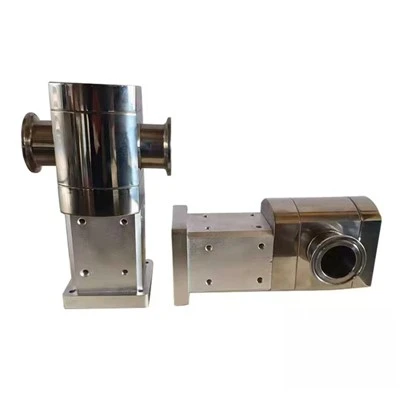
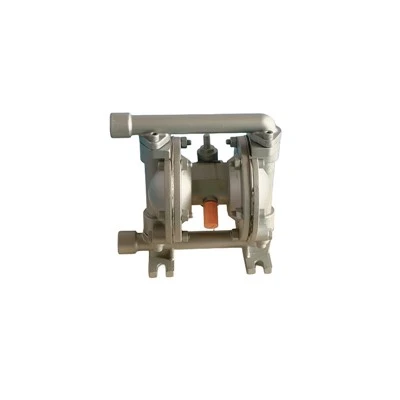
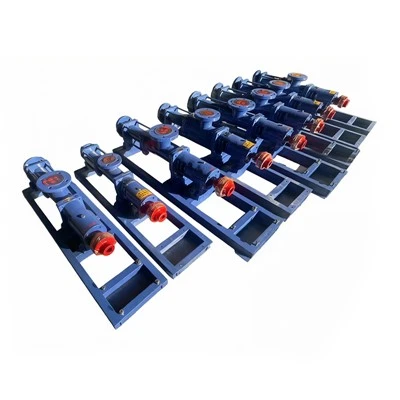
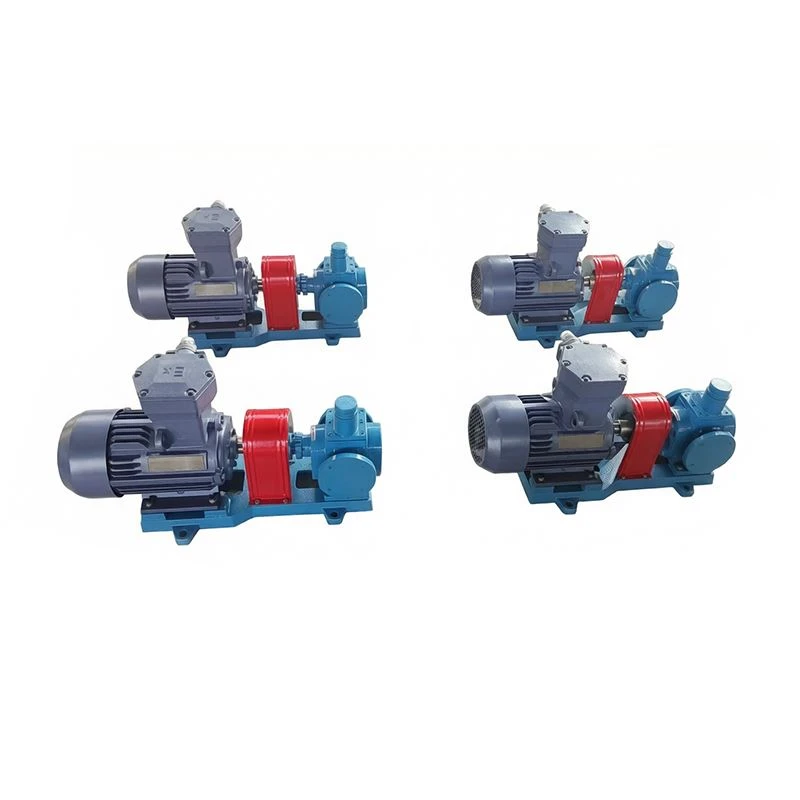
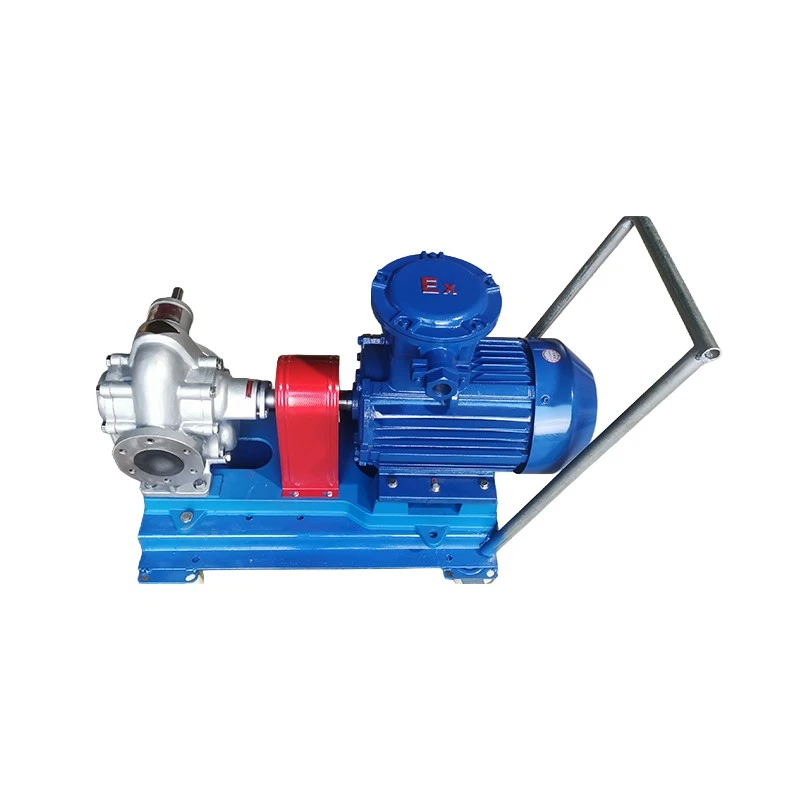
As a gear pump supplier, we offer a wide range of gear pumps, each carefully designed with the appropriate gear clearances for specific applications. We have Variable Displacement Gear Pump, which allows for flexible flow rates depending on the system requirements. Our Cast Iron Gear Pump is known for its durability and is suitable for various industrial applications. For situations where manual operation is needed, our Manual Gear Pump provides a reliable solution. In hazardous environments, our Explosion Proof Gear Pump ensures safety, and for automated systems, our Electric Gear Pump offers efficient performance.
We use advanced manufacturing techniques and precise measurement tools to ensure that the gear clearances in our pumps are within the specified tolerances. Our engineering team continuously researches and develops new methods to optimize gear clearances based on the latest industry trends and customer feedback.
How to Contact Us for Gear Pump Purchases
If you are in the market for high - quality gear pumps, we invite you to contact us for procurement discussions. Our team of experts is ready to assist you in selecting the right gear pump for your specific needs, taking into account factors such as fluid type, pressure requirements, and operating conditions. We can also provide detailed information on the gear clearances and how they are optimized for your application. Whether you are looking for a standard gear pump or a customized solution, we are here to help.
References
- Hydraulic Pumps and Motors: Fundamentals, Selection, and Application by Heinz P. Bloch
- Gear Pump Handbook by the Fluid Power Society