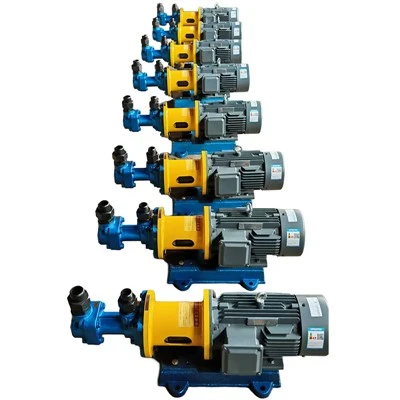
Hey there, folks! As a supplier of Cam Rotor Pumps, I've seen firsthand how particles can mess up these nifty pieces of equipment. In this blog, I'm gonna share some tips on how to protect a Cam Rotor Pump from particles. Let's jump right in!
Why Protect Your Cam Rotor Pump from Particles?
First off, you might be wondering why it's such a big deal to keep particles away from your Cam Rotor Pump. Well, particles can cause some serious damage. They can wear down the pump's components, like the rotors and the casing. This wear and tear can lead to reduced pump efficiency, increased energy consumption, and even complete pump failure. Not to mention, it can also contaminate the fluid being pumped, which is a major no - no in many industries.
Pre - Pump Filtration
One of the most effective ways to protect your Cam Rotor Pump is through pre - pump filtration. Installing a filter before the pump can catch a large portion of the particles in the fluid. There are different types of filters you can choose from, depending on the size and nature of the particles.
For larger particles, a simple strainer can do the trick. Strainers are usually made of metal mesh and can trap debris like sand, gravel, and large chunks of solids. They're easy to install and maintain, and they can be cleaned or replaced when they get clogged.
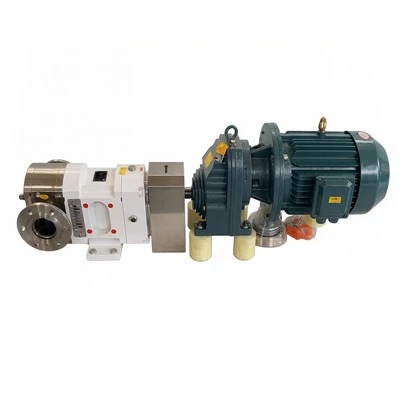
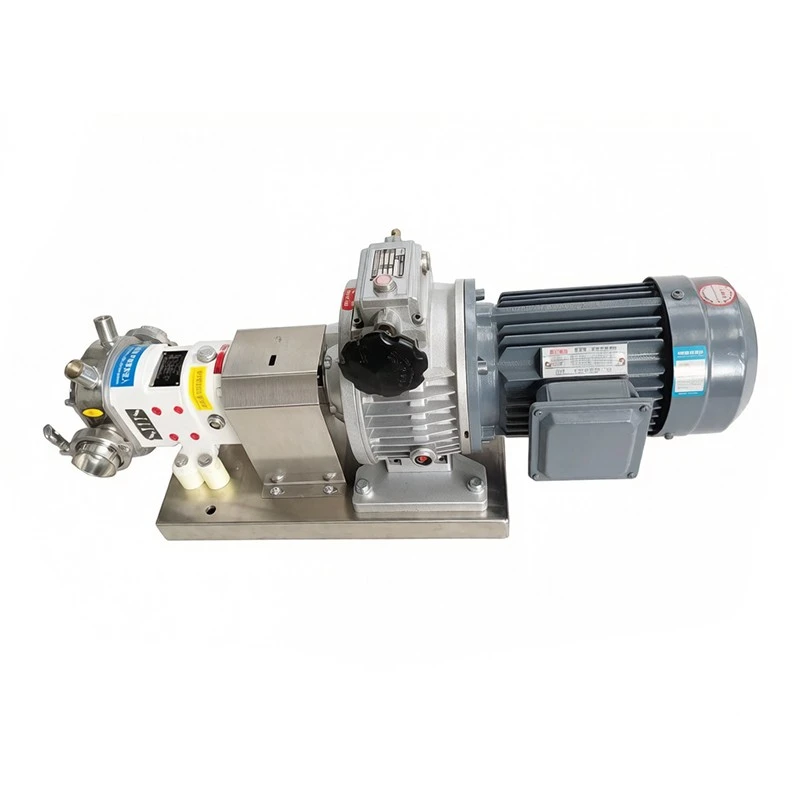
If you're dealing with smaller particles, a more advanced filter like a cartridge filter or a bag filter might be necessary. Cartridge filters are made of porous materials that can capture particles as small as a few microns. Bag filters, on the other hand, are made of fabric and can also provide high - level filtration. You can check out our Sanitary Rotary Lobe Pump page for some pumps that are often used in conjunction with these filtration systems.
Fluid Conditioning
Another important aspect of protecting your Cam Rotor Pump is fluid conditioning. Sometimes, particles can agglomerate or form larger clusters in the fluid. By using chemical additives or other conditioning methods, you can prevent this from happening.
For example, in some cases, adding a dispersant to the fluid can keep the particles suspended and prevent them from sticking together. This makes it easier for the filter to catch the particles and reduces the risk of them causing damage to the pump.
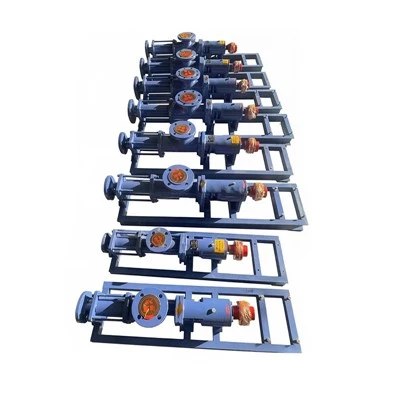
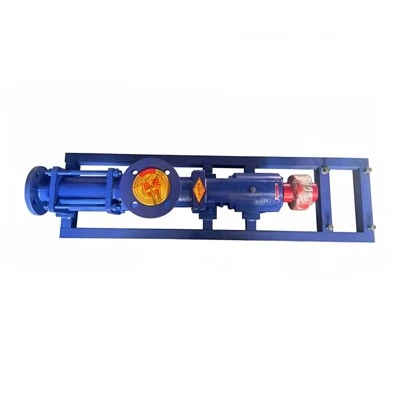
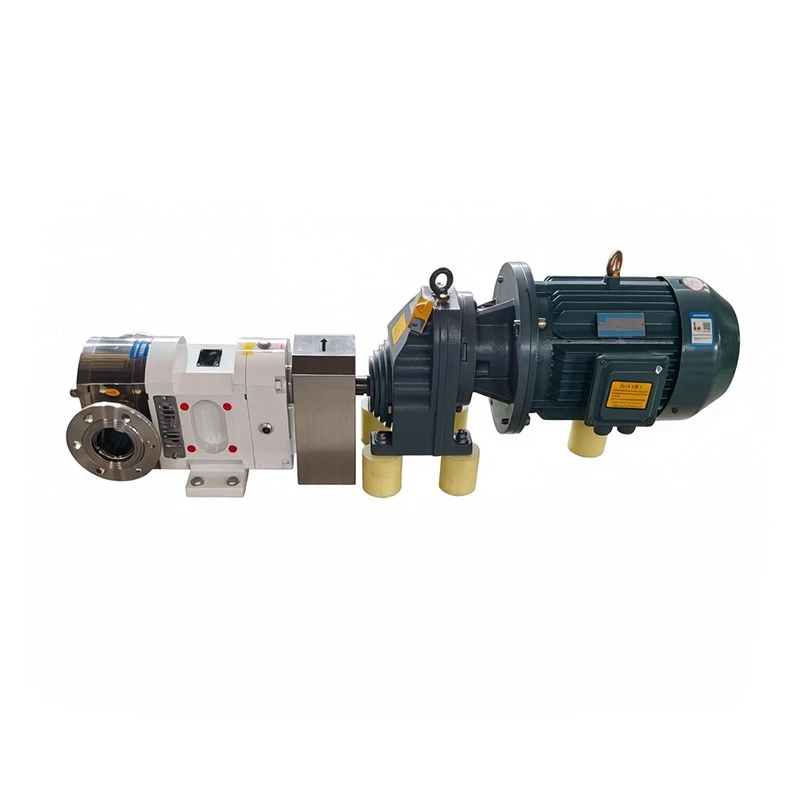
Additionally, maintaining the proper viscosity of the fluid is crucial. If the fluid is too viscous, particles might not be able to flow freely through the filter and could end up causing blockages. On the flip side, if the fluid is too thin, it might not be able to carry the particles to the filter effectively. Our High Viscosity Lobe Pump is designed to handle fluids with different viscosities, but proper fluid conditioning is still key.
Regular Inspections and Maintenance
You can't just set up a filtration system and forget about it. Regular inspections and maintenance are essential for keeping your Cam Rotor Pump in top shape.
Inspect the filter regularly to see if it's clogged. A clogged filter can restrict the flow of fluid to the pump, which can cause the pump to work harder and potentially overheat. If you notice that the filter is dirty, clean or replace it as soon as possible.
Also, take a look at the pump itself. Check for signs of wear and tear, such as excessive noise, vibration, or leaks. These could be indicators that there are particles getting through the filtration system and causing damage to the pump. If you spot any issues, address them right away to prevent further damage.
Proper Installation and Operating Conditions
The way you install and operate your Cam Rotor Pump can also have a big impact on its protection from particles.
Make sure the pump is installed correctly, following the manufacturer's instructions. This includes proper alignment, proper piping, and ensuring that the pump is installed in a clean environment.
Operating the pump within its recommended parameters is also crucial. For example, don't run the pump at a higher speed than it's designed for, as this can cause the particles to move more forcefully through the pump and increase the risk of damage. Refer to the manual of our Cam Rotor Pump for detailed operating guidelines.
Choosing the Right Pump Materials
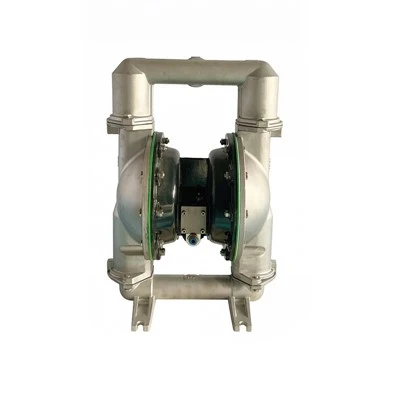
The materials used in the construction of the pump can play a role in its resistance to particle damage. For example, Stainless Steel Lobe Pumps are often a good choice because stainless steel is durable and resistant to corrosion. This means that it can withstand the abrasion caused by particles better than some other materials.
When selecting a pump, consider the type of particles in the fluid and choose a pump with materials that are suitable for the application. In some cases, you might even be able to get a pump with special coatings or linings that can further protect it from particle damage.
Conclusion
Protecting your Cam Rotor Pump from particles is crucial for ensuring its long - term performance and reliability. By using pre - pump filtration, fluid conditioning, regular inspections and maintenance, proper installation and operating conditions, and choosing the right pump materials, you can significantly reduce the risk of particle - related damage.
If you're in the market for a Cam Rotor Pump or need more information on how to protect your existing pump, feel free to reach out. We're here to help you make the right choices for your pumping needs. Whether you're dealing with food products, chemicals, or any other type of fluid, we've got the expertise and the products to keep your pumping system running smoothly.
Let's work together to ensure your Cam Rotor Pump stays in great shape and provides you with years of trouble - free operation.
References
- Pump Handbook, Third Edition. Karassik, I. J., Messina, J. P., Cooper, P. W., & Heald, C. C.
- Chemical Engineering Fluid Mechanics. Darby, R.
- Filtration Handbook. Purchas, D. B., & Sutherland, R. L.