Hey there, folks! As a supplier of Explosion Proof Gear Pumps, I've seen my fair share of issues with these pumps. In this blog, I'm gonna talk about the common failures of an Explosion Proof Gear Pump and how to solve 'em.
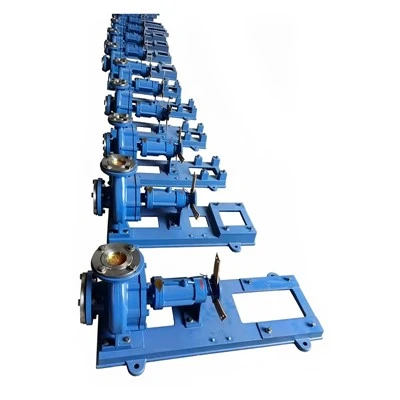
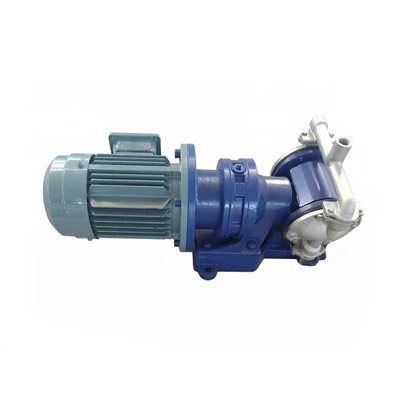
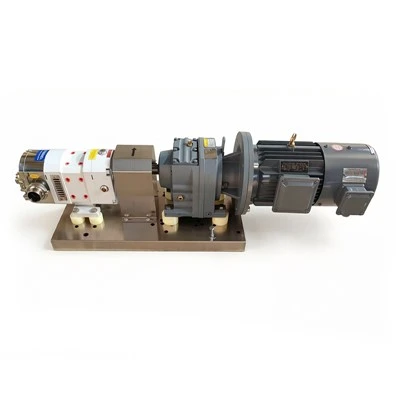
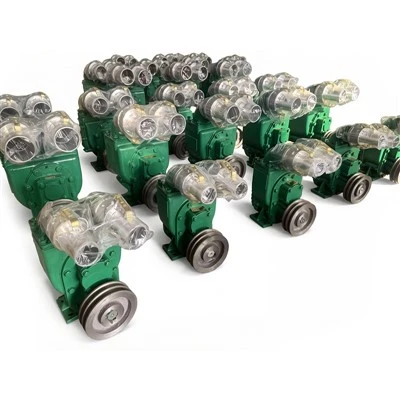
Let's start with what an Explosion Proof Gear Pump is. It's a type of pump designed for use in hazardous environments where there's a risk of explosion. These pumps are built to prevent sparks or heat from igniting flammable gases or vapors. You can find more info about them on our Explosion Proof Gear Pump page.
Common Failures of an Explosion Proof Gear Pump
1. Low Flow or No Flow
One of the most common problems is when the pump doesn't deliver enough fluid or no fluid at all. There could be a few reasons for this. First off, the inlet might be clogged. Debris, dirt, or even solid particles in the fluid can block the inlet, preventing the pump from sucking in the liquid.
Another reason could be a worn-out gear. Over time, the gears in the pump can wear down due to friction and constant use. When the gears are worn, they can't create the necessary pressure to move the fluid through the pump.
Also, a damaged seal can cause low flow. If the seals around the pump aren't working properly, fluid can leak out instead of being pushed through the outlet. This reduces the overall flow rate of the pump.
2. Excessive Noise
If your Explosion Proof Gear Pump is making a lot of noise, it's a sign that something's wrong. One possible cause is cavitation. Cavitation happens when the pressure of the fluid drops below its vapor pressure, causing bubbles to form. When these bubbles collapse, they create a loud noise and can also damage the pump components.
Misaligned gears can also lead to excessive noise. If the gears aren't properly aligned, they'll rub against each other unevenly, creating a grinding or rattling sound.
Loose parts can be another culprit. If bolts or other components are loose, they can vibrate and make noise as the pump operates.
3. Overheating
Overheating is a serious issue that can lead to pump failure. One reason for overheating is a lack of proper lubrication. The gears and other moving parts in the pump need to be lubricated to reduce friction. If the lubricant levels are low or the lubricant is dirty, it can cause increased friction and generate heat.
High viscosity of the fluid can also cause overheating. If the fluid being pumped is too thick, the pump has to work harder to move it, which can lead to overheating. You can check out our High Viscosity Gear Pump if you need a pump designed for thick fluids.
Overloading the pump is another factor. If you're pumping more fluid than the pump is rated for, it will put extra strain on the motor and other components, causing them to heat up.
4. Leakage
Leakage is a problem that can not only cause a loss of fluid but also create safety hazards in an explosion - proof environment. As I mentioned earlier, damaged seals are a common cause of leakage. If the seals are cracked, worn, or improperly installed, fluid can escape from the pump.
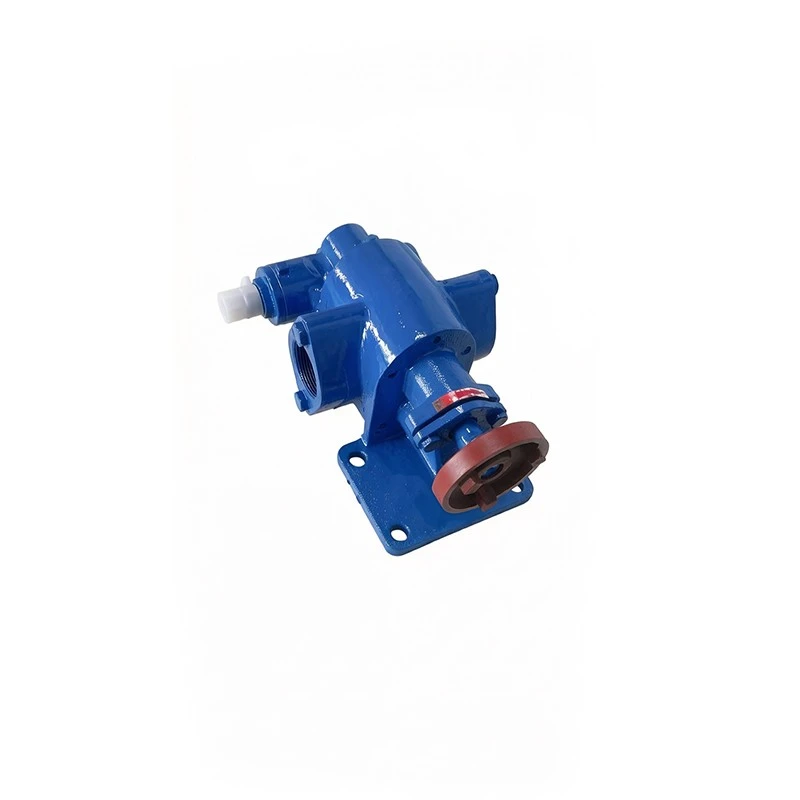
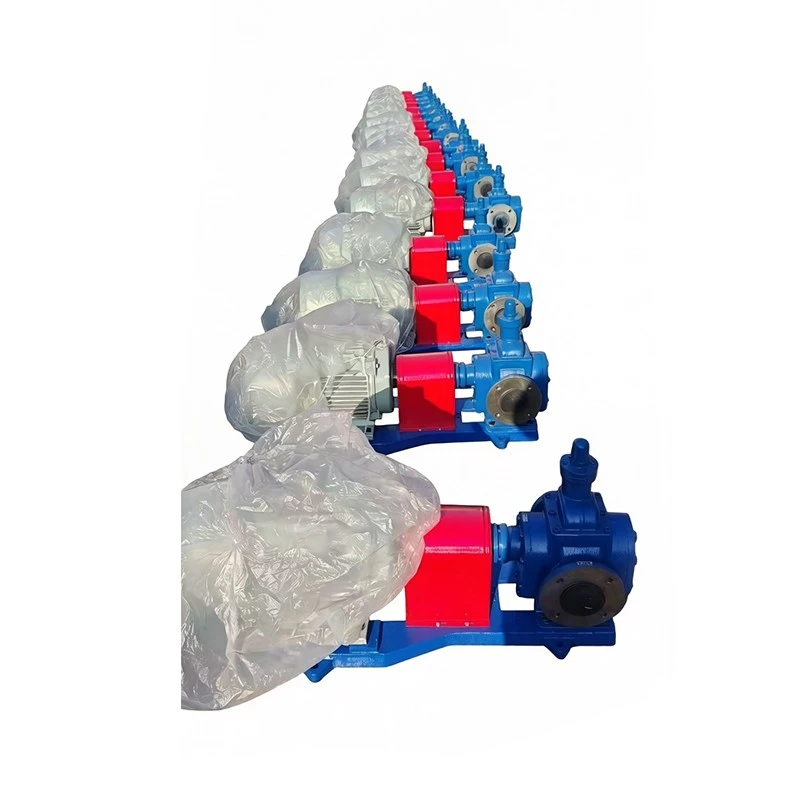
Cracks in the pump housing can also lead to leakage. These cracks can be caused by physical damage, excessive pressure, or thermal stress.
How to Solve These Failures
1. Solutions for Low Flow or No Flow
To fix a clogged inlet, you need to clean the inlet filter regularly. Make sure to inspect the filter for any signs of blockage and remove any debris you find.
If the gears are worn, you'll have to replace them. It's important to use high - quality replacement gears to ensure the pump's performance.
For damaged seals, identify the location of the leak and replace the seals as soon as possible. Use the correct type of seal for your pump to prevent future leaks.
2. Solutions for Excessive Noise
To address cavitation, you can try increasing the inlet pressure. This can be done by adjusting the piping system or using a booster pump.
If the gears are misaligned, you'll need to realign them. This should be done carefully and according to the pump's specifications. You might need to use alignment tools to ensure proper alignment.
To fix loose parts, tighten all the bolts and nuts on the pump. Check for any missing or damaged fasteners and replace them if necessary.
3. Solutions for Overheating
To prevent overheating due to lack of lubrication, regularly check the lubricant levels and change the lubricant as recommended by the pump manufacturer. Make sure to use the right type of lubricant for your pump.
If the fluid viscosity is too high, consider using a High Temperature Gear Pump which can handle thicker fluids better. You can also heat the fluid to reduce its viscosity.
To avoid overloading the pump, make sure you're operating it within its rated capacity. If you need to pump more fluid, you might need to upgrade to a larger pump.
4. Solutions for Leakage
For damaged seals, replace them with new ones. Before installing the new seals, clean the seal surfaces thoroughly to ensure a good seal.
If there are cracks in the pump housing, depending on the severity of the crack, you can try to repair it using a suitable sealant or epoxy. However, if the crack is too large, it's best to replace the entire pump housing.
Other Types of Gear Pumps We Offer
In addition to Explosion Proof Gear Pumps, we also have a range of other gear pumps. If you're looking for a pump for high - temperature applications, check out our High Temperature Gear Pump. For those who need a pump made of a durable material, our Cast Iron Gear Pump is a great option. And if you're in the painting industry, our Paint Transfer Gear Pump can help you transfer paint efficiently.
Contact Us for Your Gear Pump Needs
If you're experiencing any problems with your gear pumps or if you're in the market to buy a new one, don't hesitate to reach out. We're here to help you find the right solution for your specific needs. Our team of experts can provide you with detailed information and support to ensure you get the most out of your gear pump.
Remember, a well - maintained and properly functioning gear pump is crucial for your operations. So, whether it's troubleshooting an existing pump or selecting a new one, we've got you covered.
References
- Manufacturer's manuals for explosion proof gear pumps
- Industry standards for gear pump maintenance and repair
- Technical articles on gear pump failures and solutions