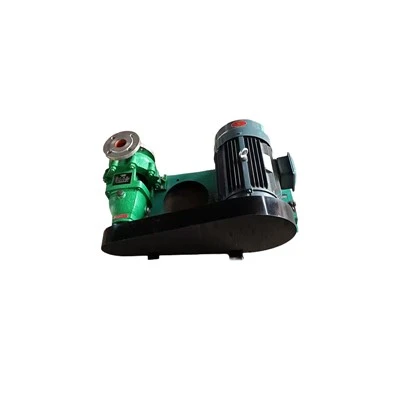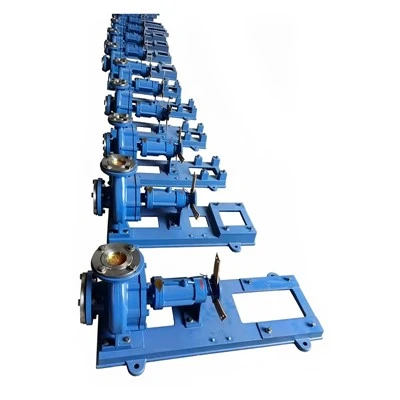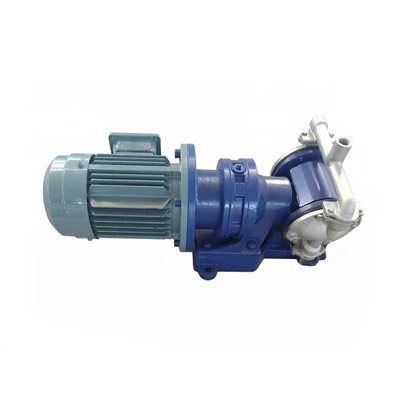
Adjusting the pressure of a Sanitary Rotary Lobe Pump is crucial for ensuring its efficient and safe operation, especially when dealing with various sanitary applications. As a supplier of Sanitary Rotary Lobe Pump, I've seen firsthand how proper pressure adjustment can make a huge difference in performance. So, let's dive into how you can do it right.
Why Pressure Adjustment Matters
First off, why is it so important to get the pressure right? Well, in sanitary applications, whether it's in food and beverage production, pharmaceuticals, or cosmetics, the pump needs to handle different types of fluids gently and precisely. If the pressure is too high, it can damage the product, cause leaks, or even lead to pump failure. On the other hand, if the pressure is too low, the pump might not be able to move the fluid effectively, resulting in inefficient production.
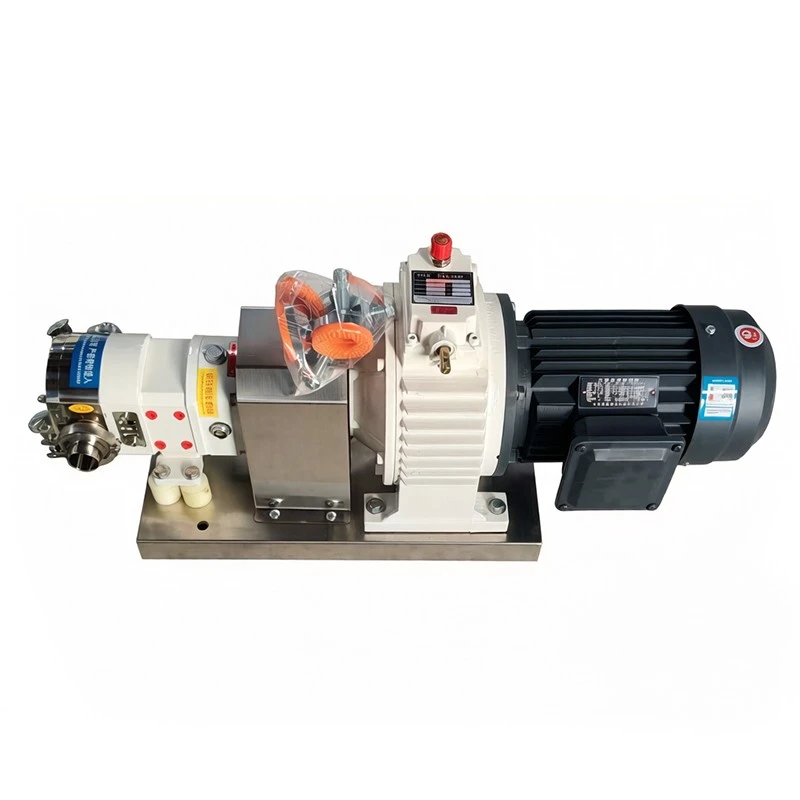
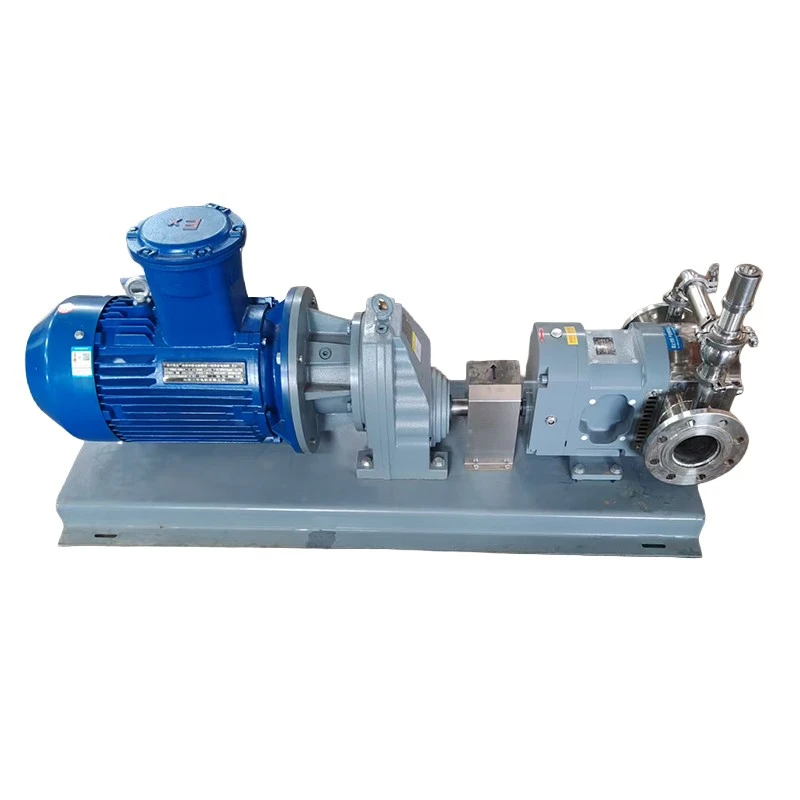
Understanding the Basics of Sanitary Rotary Lobe Pumps
Before we start talking about pressure adjustment, let's quickly go over how these pumps work. A Sanitary Rotary Lobe Pump uses lobes that rotate within a housing. As the lobes turn, they create cavities that draw in fluid at the suction side and then push it out at the discharge side. The pressure in the pump is determined by factors like the speed of the lobes, the size of the cavities, and the resistance in the piping system.
Checking the Initial Conditions
The first step in adjusting the pressure of your Sanitary Rotary Lobe Pump is to check the initial conditions. Start by inspecting the pump and the entire piping system. Look for any signs of damage, blockages, or leaks. A blocked pipe or a leak can greatly affect the pressure in the system.
Also, check the fluid properties. Different fluids have different viscosities, and this can have a big impact on the pump's performance. For example, a High Viscosity Lobe Pump is designed to handle thick fluids, and the pressure requirements for these pumps are different from those for handling thin fluids.
Adjusting the Pump Speed
One of the most common ways to adjust the pressure of a Sanitary Rotary Lobe Pump is by changing the pump speed. Most pumps are driven by an electric motor, and the speed can usually be adjusted using a variable frequency drive (VFD).
If you need to increase the pressure, you can increase the pump speed. But be careful not to go too high, as it can cause excessive wear and tear on the pump components. On the other hand, if the pressure is too high, you can decrease the speed. Remember, though, that changing the speed will also affect the flow rate of the pump.
Controlling the Discharge Pressure
Another way to adjust the pressure is by controlling the discharge pressure. This can be done using a pressure relief valve. A pressure relief valve is installed on the discharge side of the pump. When the pressure in the system exceeds a certain setpoint, the valve opens, allowing some of the fluid to bypass back to the suction side or a holding tank.
To adjust the pressure using a pressure relief valve, you'll need to know the desired pressure for your application. Then, use a pressure gauge to measure the actual pressure in the system. If the pressure is too high, you can adjust the setpoint on the pressure relief valve to a lower value. If it's too low, you can increase the setpoint.
Changing the Pump Configuration
In some cases, you might need to change the pump configuration to adjust the pressure. This could involve changing the size or shape of the lobes, the number of lobes, or the clearances between the lobes and the housing.
For example, if you're using a pump that's not specifically designed for high - pressure applications, you might consider upgrading to a Cam Rotor Pump, which is known for its ability to handle higher pressures.
Monitoring and Maintenance
Once you've adjusted the pressure, it's important to monitor the pump regularly. Use pressure gauges and flow meters to keep track of the pressure and flow rate in the system. If you notice any sudden changes in pressure or flow, it could be a sign of a problem.
Regular maintenance is also crucial. Keep the pump clean, lubricate the moving parts as recommended by the manufacturer, and replace any worn - out components. For example, if you're using Stainless Steel Lobe Pumps, make sure to clean them thoroughly to prevent corrosion and contamination.
Troubleshooting Pressure Issues
If you're still having problems with pressure adjustment, here are some common issues and solutions:
- Blockages: Check the suction and discharge pipes for blockages. A clogged filter or a build - up of debris can cause a drop in pressure.
- Worn Lobes: Over time, the lobes can wear out, which can lead to a decrease in pressure. Inspect the lobes regularly and replace them if necessary.
- Leakage: Leaks in the pump or the piping system can cause a loss of pressure. Look for signs of leakage, such as wet spots around the pump or a decrease in fluid level in the system.
Conclusion
Adjusting the pressure of a Sanitary Rotary Lobe Pump is a multi - step process that requires a good understanding of the pump's operation and the specific requirements of your application. By following the steps outlined above, you can ensure that your pump is operating at the right pressure, which will not only improve its performance but also extend its lifespan.
If you're in the market for a new Sanitary Rotary Lobe Pump or need help with pressure adjustment for your existing pump, don't hesitate to reach out. We're here to assist you with all your pump - related needs and can provide expert advice to ensure you get the most out of your equipment.
References
- Pump Handbook, by Igor Karassik et al.
- Sanitary Pump Standards and Guidelines, various industry publications.